No products in the cart.

Assam Varsity Addresses Irregularities with FIR
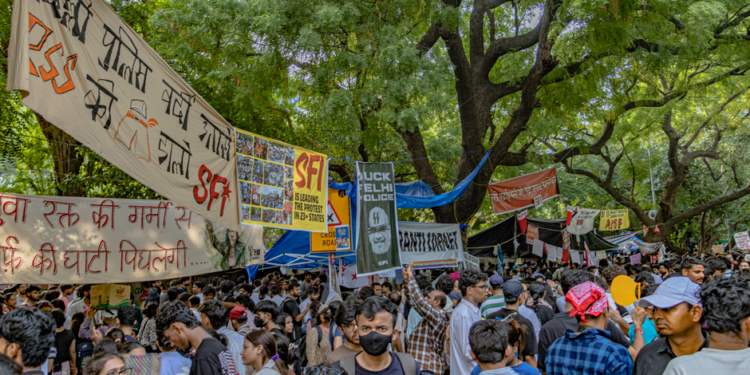
Amid student protests over admission irregularities, Assam University has filed an FIR and initiated an inquiry, reflecting a growing demand for transparency in higher education across India.

Assam, India — Assam University has responded to claims of inaction on admission irregularities. They confirmed that a First Information Report (FIR) has been filed after student protests. These protests took place at the university’s main entrance. Students demanded more transparency in the admissions process and called for the suspension of the Students’ Union president, Rajkinkar Chakraborty, amid allegations against him.
The university’s registrar, Pradosh Kiran Nath, said an inquiry committee was formed on July 8. This committee was created to address complaints from students received through social media and written submissions. Led by the dean of academics, the committee is investigating the claims. Nath noted that the committee has already questioned involved students and reviewed relevant documents. They recommended filing an FIR based on their findings.
Vice-Chancellor Rajive Mohan Pant spoke to the protesters. He assured them that the matter is under investigation. However, he emphasized that without solid evidence from the inquiry, the university cannot punish Chakraborty. As an elected representative, he has certain protections. This response has not satisfied students, showing a significant divide between student activism and university governance.
Growing Demands for Transparency in Admissions
The protests at Assam University reflect a larger trend among students in India. Many students are advocating for transparency and accountability in higher education. They are increasingly vocal about their rights and the need for fair admissions processes. The situation at Assam University is not unique; similar calls for transparency have arisen at various institutions across the country. A report by The Times of India noted that students have expressed frustrations over perceived irregularities, which they believe damage the integrity of the educational system.
Many students are advocating for transparency and accountability in higher education.
You may also like
 Education & University Insights
CBSE Class 12 Supplementary Results Available on DigiLocker | Career Outlook
The CBSE Class 12 supplementary results for 2026 have been released. Students can now download their results from DigiLocker, which plays a crucial role in…
Read More →Students have raised concerns that the admission process lacks clarity and fairness. They worry this could impact their academic and professional futures. The demand for transparency is crucial, especially in competitive admissions, where even small mistakes can have serious consequences. Protests have highlighted the need for universities to adopt stricter standards to ensure equal opportunities for all students.
Additionally, the involvement of the Students’ Union president in these allegations raises questions about university governance. Students are pushing for reforms to address current issues and prevent future irregularities. This shows a shift in how student bodies engage with university administration. As noted by Barak Bulletin, the ongoing unrest reflects a growing awareness among students about their rights and the importance of ethical leadership within student unions.
What Changed Quickly
Career Ahead analysis finds that the protests at Assam University are part of a larger student movement. Students are becoming more aware of their rights and their power to influence university policies. This trend shows that student activism is becoming a vital force in shaping governance in higher education.
Implications for University Governance and Student Leadership
The situation at Assam University has significant implications for student leadership and governance. As students demand accountability, the role of student unions is under scrutiny. Student leaders must navigate these challenges to maintain their legitimacy and influence. Rajkinkar Chakraborty’s position as president of the Students’ Union is particularly fragile. While he has some support, others are calling for his removal, citing the need for ethical leadership. This internal conflict highlights the complexities of student governance, especially amid allegations of misconduct.
Recent events emphasize the need for universities to establish clear communication and transparent processes that allow students to voice their concerns effectively.
Moreover, the university’s response to the protests and the ongoing inquiry will set a precedent for future situations. If students feel their concerns are ignored, it could lead to more unrest and a breakdown of trust between students and administration. Recent events emphasize the need for universities to establish clear communication and transparent processes that allow students to voice their concerns effectively.
You may also like
 Education & University Insights
Mission Mode Fills 32,114 Posts, Vacancies Persist
The Mission Mode initiative was launched to address a significant backlog in faculty positions, particularly in reserved categories, but transparency issues remain.
Read More →Career Ahead’s analysis suggests that universities may need to reassess their governance structures. They should ensure they are responsive to student concerns. By fostering a culture of transparency and accountability, institutions can reduce conflicts and improve their reputations with students. The ongoing inquiry at Assam University serves as a critical test case for how universities across India might adapt to changing student activism and governance.
As the inquiry at Assam University unfolds, it will be essential to monitor how the situation evolves. Will the university take meaningful steps to address the allegations, or will it maintain the status quo? The answers to these questions could have lasting implications for Assam University and higher education governance across India.
Frequently Asked Questions
What should Assam University students do if they suspect admission irregularities?
Students at Assam University should report any suspected irregularities to the university administration or the inquiry committee. Documenting evidence and voicing concerns through appropriate channels can help ensure their issues are addressed.
Students at Assam University should report any suspected irregularities to the university administration or the inquiry committee.
How can higher education administrators improve transparency in admissions?
Higher education administrators can improve transparency by establishing clear and accessible admission processes. They should regularly communicate with students about policies and involve student representatives in decision-making. This collaborative approach fosters trust and accountability.
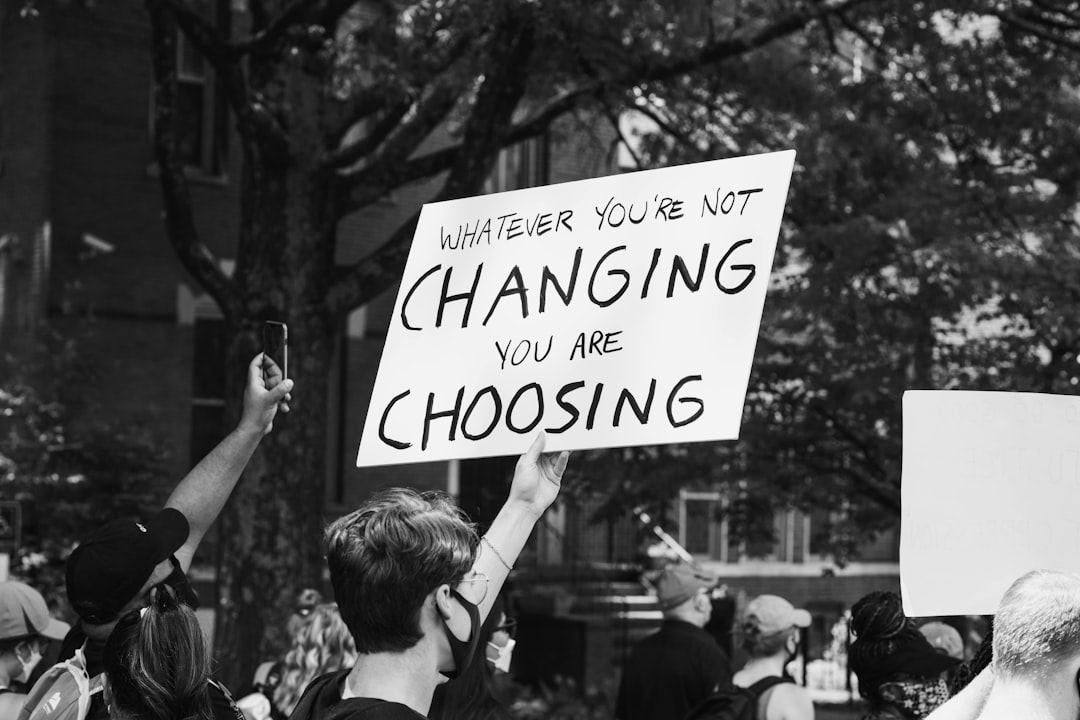
What are the implications of student protests on university policies?
Student protests can lead to significant changes in university policies. Administrations may be compelled to address student concerns to maintain order and trust. These movements often highlight systemic issues that require reform, leading to more transparent and accountable governance.
You may also like
 Education & University Insights
Immersive Labs Redefine Learning in Universities
A 71% rise in online‑hybrid offerings and a projected $12.6 billion industry underscore the scale of change.
Read More →