No products in the cart.

Banks Urge RBI to Extend Trade Relief Measures Beyond December

Banks are pushing the RBI to extend trade relief measures beyond December, crucial for exporters facing ongoing challenges. Here's what it means for you.

Mumbai, India — Banks are urging the Reserve Bank of India (RBI) to extend its trade relief measures for exporters, which are set to expire at the end of December. This request comes as exporters continue to face significant challenges due to ongoing global trade issues. The current relief measures were initially implemented to support exporters during turbulent times, and banks believe that extending these provisions is critical for maintaining the stability of the export sector.
The RBI’s trade relief measures included various forms of financial support, such as loan restructuring and easier access to credit. As the deadline approaches, banks are concerned that the expiration of these measures could lead to a wave of defaults among exporters. They argue that the real impact of the ongoing global trade issues will become more apparent in the next quarter, emphasizing the need for continued support.
According to reports, the global trade landscape has been increasingly volatile, with factors such as geopolitical tensions and supply chain disruptions affecting exporters’ ability to operate effectively. The banks’ plea to the RBI highlights the interconnectedness of the banking and export sectors and underscores the importance of timely intervention to prevent a potential crisis.
Why Banks Are Pressing for Relief Extensions
Banks are not merely acting as intermediaries; they are directly invested in the health of the export sector. A significant portion of their loan portfolios is tied to exporters, making their financial stability critical for the banks’ overall performance. If exporters struggle to repay loans due to a lack of support, banks could face substantial losses.
A significant portion of their loan portfolios is tied to exporters, making their financial stability critical for the banks’ overall performance.
You may also like
 Government & Policy
8th Pay Commission Stakeholder Meetings Begin
The 8th Pay Commission is conducting stakeholder meetings to discuss salary and pension revisions for over 1 crore central government employees and pensioners, with key…
Read More →The impact of the COVID-19 pandemic continues to reverberate through the global economy, affecting trade flows and demand for goods. Exporters have reported declining orders and increased costs, which have put pressure on their profit margins. In this context, banks are advocating for an extension of relief measures to provide a safety net for exporters, allowing them to navigate these challenging times more effectively.
Moreover, the banks are looking at the upcoming quarter with concern. They anticipate that the full extent of the damage from current global trade issues will manifest in reduced export volumes and increased defaults. By extending the relief measures, the RBI could help mitigate these risks and support economic recovery.
As the situation unfolds, the RBI’s response will be pivotal. If the central bank decides to extend the measures, it could provide much-needed confidence to exporters and banks alike. Conversely, if the measures are not extended, the potential fallout could lead to a tightening of credit and a slowdown in economic growth.
How This Affects Exporters and the Banking Sector
The implications of the RBI’s decision regarding the trade relief measures are significant for both exporters and the banking sector. For exporters, an extension would mean continued access to financial support, which is vital for maintaining their operations. This support could help them manage their cash flow, keep their workforce employed, and maintain their market positions.
From a banking perspective, extending the relief measures would likely result in a more stable loan portfolio. Banks would be able to avoid the immediate pressure of rising defaults, which could have a cascading effect on their operations. A healthier export sector would also mean that banks can continue to lend without the fear of substantial losses.
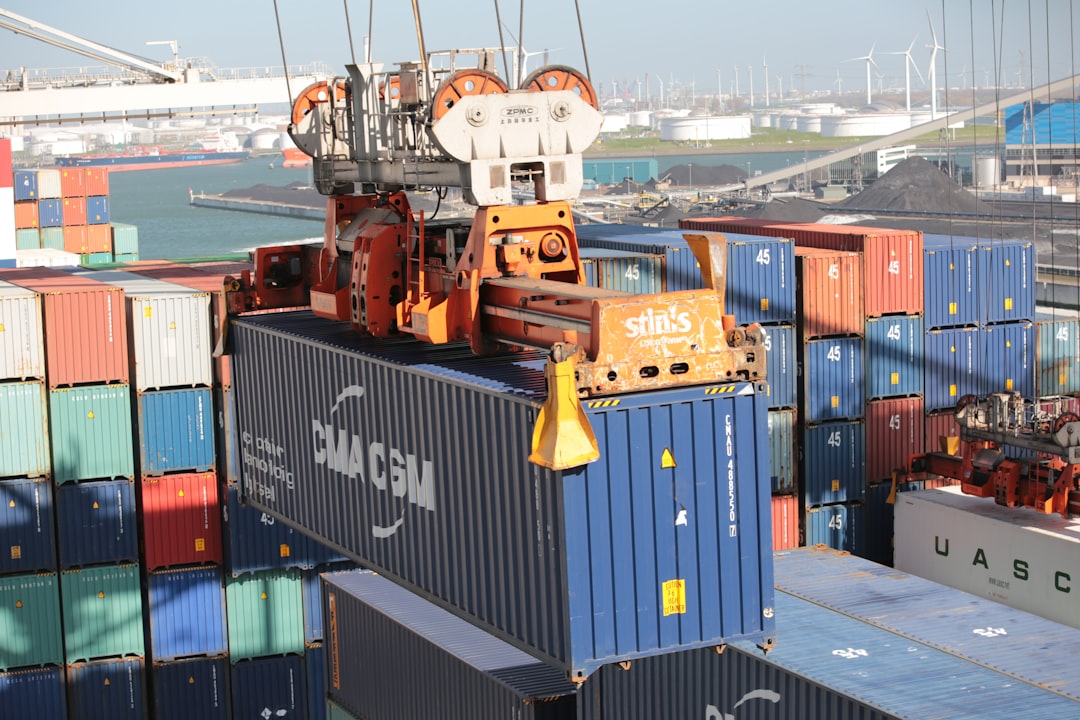
Furthermore, maintaining a robust export sector is essential for India’s economic growth. The export industry contributes significantly to the country’s GDP, and any disruptions could have far-reaching consequences. Therefore, the RBI’s decision could impact not only individual businesses but also the broader economy.
You may also like
 Government & Policy
Sebi Reviews Position Limits to Enhance Non-Agri Liquidity
As part of this initiative, Sebi is also emphasizing the importance of phased physical settlement for agricultural commodities.
Read More →Furthermore, maintaining a robust export sector is essential for India’s economic growth.
What You Can Do as a Professional
- Stay Informed: Keep up with news related to trade policies and economic measures that could affect your industry. Understanding these changes can help you anticipate market shifts.
- Network with Industry Peers: Engage with other professionals in your field to share insights and strategies for navigating challenges. Collaboration can lead to innovative solutions.
- Upskill and Adapt: Consider enhancing your skills in areas that are becoming increasingly important due to global trade dynamics. This could involve taking online courses or attending workshops.
However, experts warn that extending these measures may not be a long-term solution. Some analysts argue that without addressing the root causes of the trade issues, such as supply chain disruptions and geopolitical tensions, the relief may only provide temporary relief. They urge that the RBI and the government should focus on structural reforms to ensure sustainable growth for exporters.
The Future of Trade Relief in India
The future of trade relief measures in India will likely depend on the evolving global economic landscape. As trade conditions fluctuate, the RBI may need to adapt its strategies to support exporters more effectively. The ongoing discussions around these measures highlight the importance of a proactive approach to economic policy.
As we look ahead, one question remains: How will the RBI balance the need for immediate support with the long-term health of the economy? The decisions made in the coming weeks could set a precedent for how trade challenges are managed in the future, impacting not only exporters but the banking sector and the economy at large.