No products in the cart.

Gig Economy Threatens Worker Security

The gig economy fuels a paradox where workers seek multiple contracts for security while firms trade permanence for agility, reshaping stability and flexibility in the modern labor market.

Most gig workers feel less secure than full-time employees, even though they juggle several jobs. The paradox stems from a shift: workers chase income diversity, while firms lean into project-by-project staffing.
Multiple jobs become a safety net, not a side hustle
Workers stack gigs to cover rent, health costs, and retirement gaps. They treat each contract as a brick in a personal income wall.
The wall cracks when platforms cut fees or demand new certifications. Then workers scramble for the next contract, exposing a hidden volatility.
“Freelancers now view each assignment as a contingency, not a choice,” says Dr. Nandini Sharma, Associate Professor, S. S. Jain Subodh PG College, Jaipur.
Then workers scramble for the next contract, exposing a hidden volatility.
Employers trade permanence for on-demand expertise
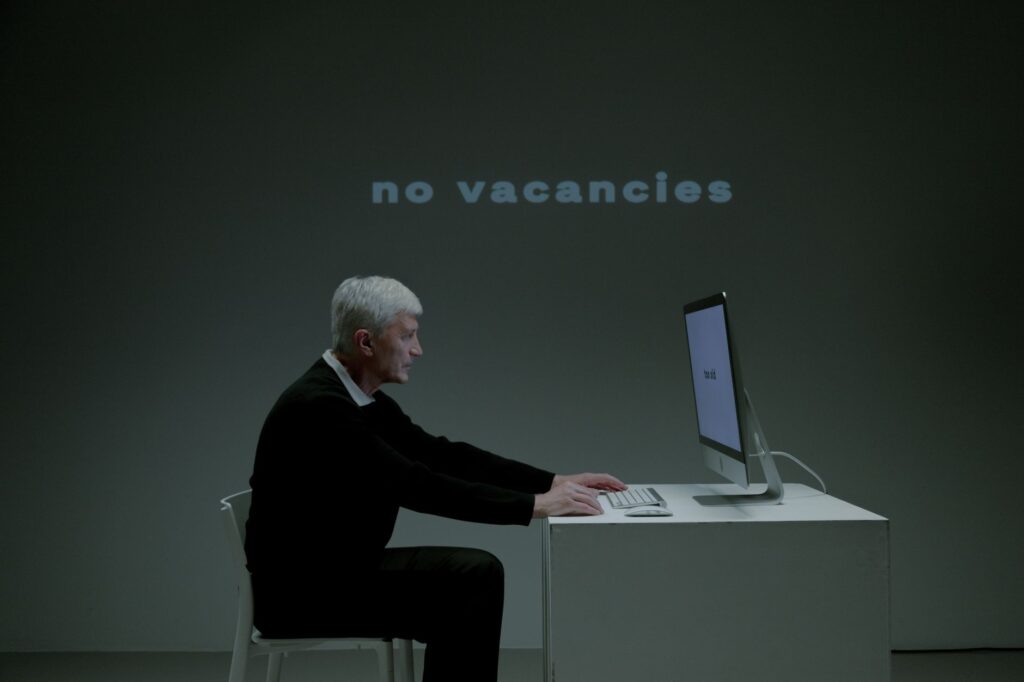
Companies replace salaried benches with freelance rosters. They tap niche talent for weeks instead of months, trimming overhead.
The model lets firms scale instantly, but it also erodes institutional knowledge. When a specialist exits, the firm loses years of tacit learning.
Our view: firms must embed knowledge capture rituals into every gig. Without them, the cost of turnover outweighs the savings from flexible staffing.
The gig market masks a significant participation gap
The U.S. gig workforce generates a substantial amount of revenue annually, yet only a portion of skilled knowledge workers engage in freelance roles. The exact percentage of skilled workers participating in the gig economy is not specified in the provided research.
Skilled freelancers command premium rates, but their scarcity forces firms to overpay or settle for less-qualified talent. The imbalance fuels a race for talent that only deep pockets can win.
Policy and platform design will decide whether flexibility becomes fragility
You may also like
 Future Skills & Work
AI‑Generated “Skill Debtors” Reshape Workplace Learning
Coupled with McKinsey’s projection of a 1.5% annual productivity lift from AI tools, the pressure to close the gap intensifies.
Read More →Regulators eye portable benefits, while platforms experiment with tiered insurance pools. Both moves could transform gig work from a stopgap into a sustainable career track.
gig workforce generates a substantial amount of revenue annually, yet only a portion of skilled knowledge workers engage in freelance roles.
We explored similar dynamics in our earlier analysis of platform-mediated labor markets. The next wave will hinge on how quickly policy catches up with technology.
Stability will hinge on collective action: workers must demand portable safety nets, and firms must invest in long-term skill pipelines. The gig economy will persist, but its shape depends on the rules we set today.