Jake Jurewicz, co-founder and CEO of Blue Energy, believes that the future of nuclear energy lies in rethinking traditional construction methods. The urgency for such innovations is underscored by the recent challenges faced by the nuclear sector. Blue Energy’s strategy emphasizes the importance of cost efficiency in nuclear power generation.
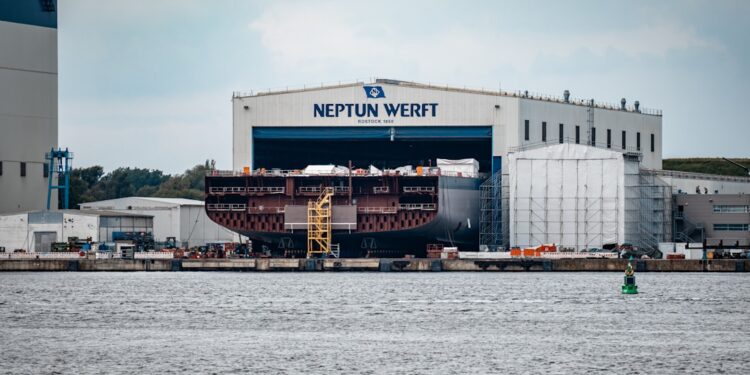
As the global energy landscape shifts, Blue Energy has emerged as a pivotal player by securing $380 million to construct grid-scale nuclear reactors in shipyards. This innovative approach aims to address the increasing demand for reliable energy sources amidst rising electrification and the growing burden of AI data centers. The company’s strategy not only promises to streamline nuclear reactor construction but also seeks to significantly reduce costs and timelines, a critical factor in the current energy climate.
Jake Jurewicz, co-founder and CEO of Blue Energy, believes that the future of nuclear energy lies in rethinking traditional construction methods. By leveraging shipyards, which are equipped to handle large-scale manufacturing, Blue Energy aims to minimize on-site construction complexities. This method draws inspiration from the early history of nuclear technology, originally developed for submarines, and aims to replicate the efficiency seen in other industries, such as liquefied natural gas (LNG) terminals.
The urgency for such innovations is underscored by the recent challenges faced by the nuclear sector. The last two reactors built in the U.S. have faced significant budget overruns and delays, leading to skepticism about future projects. Blue Energy’s approach is designed to mitigate these risks by focusing on fixed-price contracts and centralized manufacturing, which can lead to predictable costs and timelines. This shift could potentially revitalize interest in nuclear energy as a viable solution to the energy crisis.
Innovative Construction Techniques and Cost Efficiency
Blue Energy’s strategy emphasizes the importance of cost efficiency in nuclear power generation. According to the company, the reactor itself accounts for only 7% of the total cost of a nuclear power plant. The remaining costs are attributed to construction, development overhead, and interest during construction, which can inflate the total investment significantly. Traditional nuclear plants can take over a decade to build and cost around $13,000 per kilowatt. In contrast, Blue Energy aims to reduce the construction time to just three years and cut costs to approximately $5,000 per kilowatt.
This ambitious plan hinges on the use of prefabricated components manufactured in controlled environments, such as shipyards. By moving the bulk of construction off-site, Blue Energy can enhance quality control and reduce the likelihood of delays caused by weather or logistical challenges. This method not only promises to streamline the construction process but also opens the door to automation, further driving down costs and improving safety.
Marico has increased its stake in Satiya Nutraceuticals to 84.09%, a strategic move expected to enhance revenue growth amid rising consumer demand for health-focused products.…
This flexibility is crucial in a world where energy needs are rapidly evolving, particularly in regions experiencing significant population growth and industrial expansion.
Moreover, the company’s focus on modular designs allows for scalability. Blue Energy’s reactors can start small and expand over time, accommodating growing energy demands without the need for extensive upfront investment. This flexibility is crucial in a world where energy needs are rapidly evolving, particularly in regions experiencing significant population growth and industrial expansion.
Addressing Energy Needs and Environmental Concerns
The need for reliable energy sources has never been more pressing. As electrification accelerates and AI data centers proliferate, the strain on existing power grids is becoming increasingly evident. Blue Energy’s initiative to build nuclear reactors in shipyards is not just a response to economic pressures; it is also a strategic move to position nuclear energy as a sustainable alternative to fossil fuels.
With the global push towards reducing carbon emissions, nuclear energy presents a compelling case. It offers a low-carbon solution capable of providing consistent power, unlike renewable sources that can be intermittent. By investing in nuclear technology, Blue Energy aims to contribute to a cleaner energy future while addressing the immediate needs of energy consumers.
However, the nuclear industry is not without its controversies. Public perception of nuclear energy remains mixed, often influenced by historical accidents and concerns over waste management. Blue Energy must navigate these challenges while promoting the safety and reliability of its reactors. The company’s design incorporates advanced safety features, including passive safety systems that allow reactors to shut down safely without human intervention, which could help alleviate some public fears.
In conclusion, Blue Energy’s $380 million funding round marks a significant step towards transforming the nuclear energy landscape. By focusing on innovative construction methods and cost efficiency, the company aims to make nuclear power a more attractive option for energy providers and consumers alike. As the world grapples with the dual challenges of energy demand and environmental sustainability, Blue Energy’s approach could pave the way for a new era in nuclear energy.
College students are increasingly influencing the A.I. investment landscape, with initiatives like Dorm Room Fund raising substantial capital. This shift highlights the growing importance of…
By investing in nuclear technology, Blue Energy aims to contribute to a cleaner energy future while addressing the immediate needs of energy consumers.
For young professionals and job seekers in the energy sector, this development highlights the importance of adaptability and innovation. As companies like Blue Energy redefine traditional industries, there will be new opportunities for those willing to embrace change and contribute to sustainable solutions in energy production.
According to a report from TechCrunch, the decision to utilize shipyards for reactor construction is a strategic pivot that harkens back to the early days of nuclear technology, which was initially developed for submarines. This historical reference underscores the potential for efficiency gains in the nuclear sector. By adopting a model that has proven successful in other heavy industries, Blue Energy aims to streamline processes and reduce the time it takes to bring new reactors online.
Furthermore, the company’s commitment to fixed-price contracts is a crucial element of their strategy. This approach not only provides financial predictability but also builds trust with stakeholders who have been wary of the nuclear sector’s past performance. As noted in the Thefuse, Blue Energy’s focus on centralized manufacturing could lead to a paradigm shift in how nuclear reactors are constructed, potentially making them more competitive with other energy sources.



Entrepreneurship & Business
 Entrepreneurship & Business