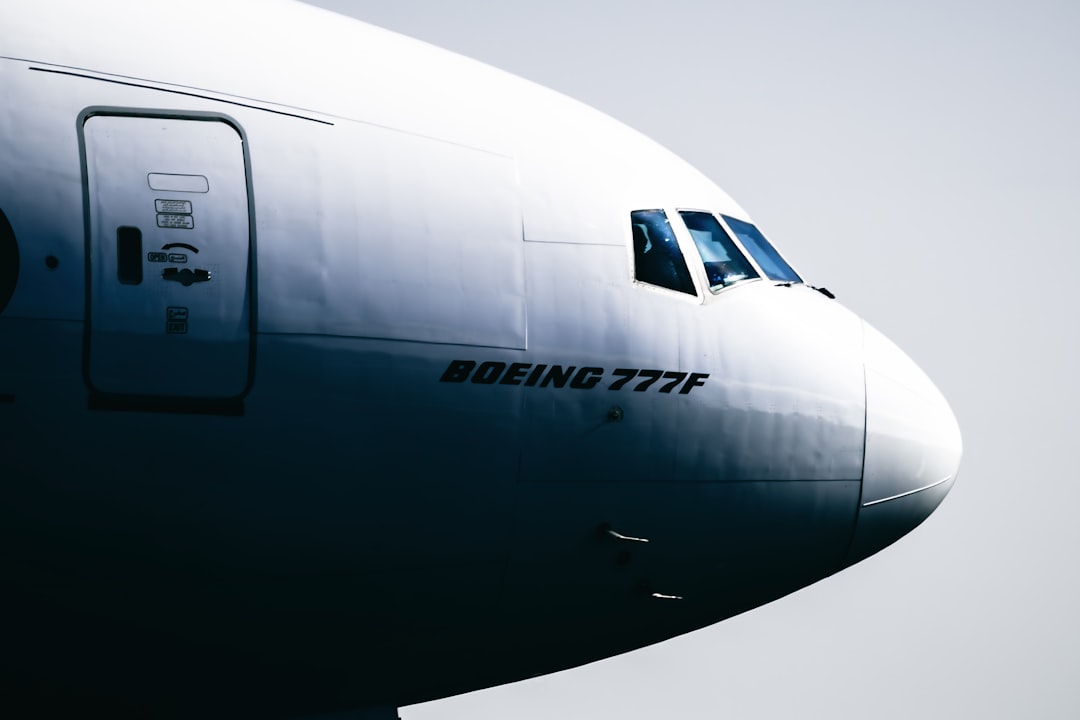
Boeing is selling three subsidiaries focused on autonomous flight to Archer Aviation, marking a significant shift in its strategy towards electric aircraft technology. This acquisition highlights the growing demand for skilled engineers in the aerospace sector as the industry transitions to piloted electric aircraft.
Boeing is selling three subsidiaries that focus on autonomous flight to Archer Aviation, a company developing piloted electric aircraft. This deal, announced on August 10, 2026, gives Boeing a 16.5% stake in Archer along with other benefits. The transaction includes Wisk Aero, which is creating an electric air taxi; SkyGrid, which is improving automated air traffic management; and Insitu, which specializes in unmanned military aircraft.
This sale marks a significant change in Boeing’s strategy, as the company shifts its focus towards its core businesses while investing in future aviation technology. Archer’s CEO, Adam Goldstein, described the acquisition as a watershed moment for the company, believing it will shape the future of physical AI in aerospace and defense. The transaction is expected to close by the end of the year, pending regulatory approval. According to The New York Times, this move enhances Archer’s portfolio and highlights the competitive eVTOL market, where companies are racing to bring innovative aircraft to market.
Job Market Shifts for Aerospace Engineers
The sale of Boeing’s subsidiaries will significantly impact job opportunities for aerospace engineers, particularly those specializing in autonomous systems. As Archer Aviation integrates these companies, engineers skilled in piloted electric aircraft and automated systems will be in high demand. Analysis indicates that engineers will need to adapt their skills to meet new technological demands.
For instance, Wisk Aero’s electric air taxi will require engineers proficient in electric propulsion systems, battery technology, and software for autonomous flight. This shift may reduce traditional roles focused on fully autonomous systems, necessitating that engineers who previously worked on autonomous drones pivot their expertise towards electric aircraft. SkyGrid’s automated air traffic management systems will also create new roles for engineers specializing in aviation software and systems integration, ensuring safe and efficient airspace as more electric aircraft take to the skies.
Analysis indicates that engineers will need to adapt their skills to meet new technological demands.
OpenAI's recent $7 billion share buyback signals a shift in employee compensation strategies, aiming to enhance workforce morale and retention in a competitive tech landscape.
However, the acquisition may lead to job losses at Boeing’s subsidiaries, creating uncertainty for engineers at Wisk, SkyGrid, and Insitu. On the positive side, the acquisition opens doors for collaboration, allowing engineers to transition into roles at Archer or its partners. Reports suggest that the sale could consolidate expertise within Archer, potentially enhancing job security for those who adapt to the new technological landscape.
Essential Skills for the Future of Aviation
The sale of Boeing’s subsidiaries to Archer Aviation underscores the need for aerospace engineers to develop new skills. As the industry transitions to piloted electric aircraft, engineers must become proficient in electric propulsion, battery management systems, and flight control software. Research indicates that engineers who can integrate these technologies will be better positioned in the job market.
For example, engineers working on electric propulsion systems must understand electric motors and energy storage solutions, including lithium-ion and emerging solid-state batteries. These technologies promise greater efficiency and safety. As Archer develops its electric air taxis, engineers with expertise in these areas will be vital to the company’s success. Additionally, software development skills will become increasingly important as the aviation industry embraces automation, requiring engineers to be adept in coding and software design to create reliable systems that manage the complexities of piloted electric aircraft.
The integration of automated air traffic management systems, like those from SkyGrid, will also necessitate engineers to learn data analytics and machine learning, which will help manage air traffic efficiently and ensure safety as more electric aircraft enter service. As the industry evolves, engineers must proactively upskill to remain competitive. New institutions and training programs are likely to emerge, focusing on the electric aircraft sector. The collaboration between Archer and Boeing is expected to drive innovation and accelerate the development of new technologies that will shape the future of aviation.
Frequently Asked Questions
What new skills should aerospace engineers develop in light of Boeing’s subsidiary sale?
Aerospace engineers should focus on developing skills in electric propulsion, battery management, and flight control software. Familiarity with automated air traffic management systems and data analytics will also be crucial as the industry evolves.
Fuller emphasized that shipping traffic has risen, and new routes, including those through the Arctic, are being utilized to bypass traditional chokepoints like the Strait…
Aerospace engineers should focus on developing skills in electric propulsion, battery management, and flight control software.
How will the sale impact job security for engineers in autonomous systems?
While the sale may lead to job losses at Boeing’s subsidiaries, it also creates new opportunities in electric aircraft technology. Engineers who adapt their skills to align with the new focus on piloted solutions will be better positioned in the job market.
What opportunities exist for collaboration with Archer Aviation after the acquisition?
Engineers may find collaboration opportunities through joint ventures and partnerships as Archer integrates Boeing’s subsidiaries. The technology-sharing agreement will also facilitate knowledge exchange and innovation in electric aviation.
Risks, Trade-Offs, and What Comes Next
As the aerospace industry moves towards electric aviation, the effects of Boeing’s subsidiary sale will continue to unfold. The demand for skilled engineers in electric aircraft technology is set to rise, presenting both challenges and opportunities in the job market. The landscape of aerospace engineering is changing, and those who embrace these changes will lead the next generation of aviation technology.




 Industry & Global Trends
Industry & Global Trends