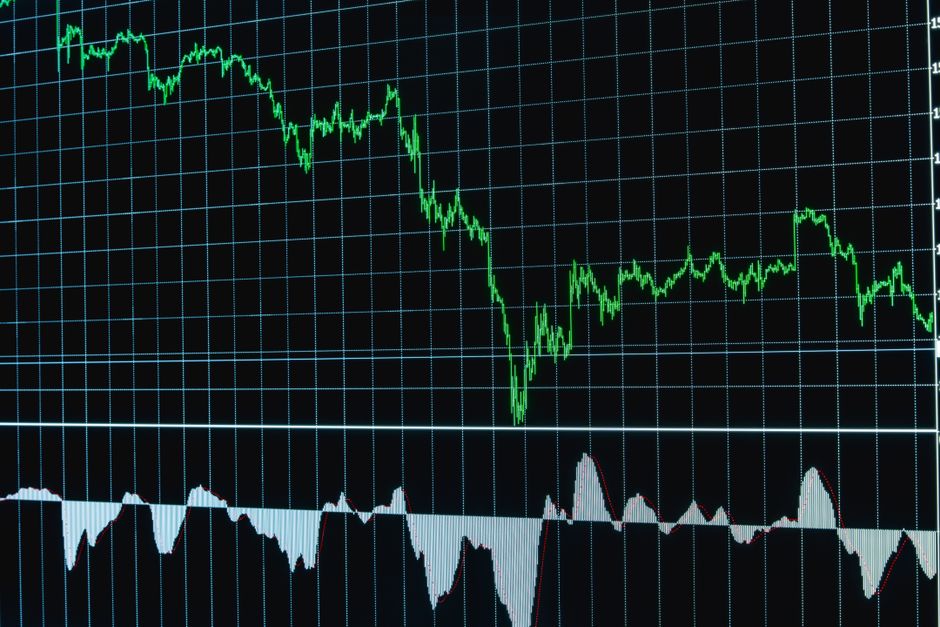
Brazil’s economic activity fell sharply in June 2026, marking its largest decline in over a year. This downturn has raised alarms about waning demand and the potential for further interest rate cuts by the Central Bank. The data indicates a worrying trend for Brazil’s economy, which could impact investment strategies and job markets significantly.
As Brazil grapples with these economic challenges, financial analysts and economists must reassess their forecasts. The decline in economic activity comes at a time when many countries are also facing similar pressures, as highlighted in the World Economic Forum’s Global Risks Report 2024, which identifies economic downturns as a major concern globally. The report underscores that Brazil’s economic struggles are not isolated, but part of a broader pattern affecting emerging markets, where vulnerabilities are increasingly exposed in the face of global economic shifts.
Implications for GDP Forecasts and Investment Strategies
The drop in Brazil’s economic activity has direct implications for GDP forecasts. Analysts are now adjusting their expectations for growth, which is anticipated to slow as consumer spending decreases. Career Ahead’s analysis shows that such economic contractions typically lead to a reassessment of investment strategies in emerging markets, as investors seek safer havens amidst uncertainty. According to the National Debt Relief, economic downturns can lead to increased volatility in markets, prompting investors to pivot towards sectors that are more resilient. For Brazil, this means that sectors like technology and renewable energy may attract more attention, while traditional sectors like retail could see reduced investment. The shifting landscape requires analysts to be agile in their assessments and recommendations.
Furthermore, with the Central Bank likely to consider further interest rate cuts to stimulate growth, the financial environment could become more favorable for borrowing. However, this also raises concerns about inflationary pressures, which could erode purchasing power. Financial analysts must navigate these complexities to provide accurate forecasts and strategic advice to their clients. The balance between stimulating growth and controlling inflation will be a tightrope walk for policymakers, as highlighted by Bloomberg’s recent analysis of Brazil’s economic activity, which emphasizes the delicate interplay between interest rates and consumer confidence.
Furthermore, with the Central Bank likely to consider further interest rate cuts to stimulate growth, the financial environment could become more favorable for borrowing.
Career Ahead research finds that historical patterns show that Brazil’s economy typically rebounds within 6 to 12 months following significant downturns. This historical context is crucial for analysts as they prepare for potential recovery phases and adjust their investment strategies accordingly. However, the current global economic climate, marked by uncertainty and geopolitical tensions, may complicate this recovery trajectory, making it imperative for analysts to remain vigilant and adaptable.
 Industry & Global Trends
AI Boom Sparks Economic Risk Concerns
Georgieva's remarks come ahead of the annual meetings of the IMF and World Bank, where discussions on global economic stability are paramount.
Read More →As Brazil’s economic landscape evolves, the implications for foreign investment cannot be overlooked. Investors are likely to reassess their risk profiles, potentially leading to a capital flight from Brazil if confidence continues to wane. This could further exacerbate the economic challenges faced by the country, creating a feedback loop that hinders recovery efforts.
Job Market Implications in Brazil’s Retail Sector
The retail sector, a significant component of Brazil’s economy, is facing challenges due to the economic downturn. With consumer confidence waning, retailers are likely to experience decreased sales, leading to potential layoffs and reduced hiring. This situation poses a significant risk for job seekers in the sector, particularly those in entry-level positions. As reported by National Debt Relief, economic contractions often lead to job losses in vulnerable sectors. For Brazil, this could mean a spike in unemployment rates, particularly among younger workers entering the job market. Financial analysts and economists must consider these dynamics when evaluating the overall health of the economy and its implications for the job market.
The shift in consumer spending patterns also necessitates a reevaluation of skill requirements in the retail sector. Retailers may prioritize hiring individuals with digital skills and e-commerce experience as they adapt to changing consumer behaviors. This trend highlights the need for job seekers to upskill and align their capabilities with market demands. The rise of e-commerce, accelerated by the pandemic, has transformed the retail landscape, and businesses are now looking for talent that can navigate this digital shift effectively.
Policymakers will need to consider targeted interventions to support both workers and businesses in the retail sector to mitigate these effects.
Career Ahead’s analysis indicates that the retail job market may take longer to recover compared to other sectors. Analysts should monitor the retail landscape closely, as the recovery trajectory will influence broader economic recovery efforts. Understanding these nuances will be essential for professionals in finance and economics as they navigate this complex environment. The potential for a prolonged downturn in retail could lead to a significant reconfiguration of the job market, with an emphasis on flexibility and adaptability as key attributes for future employment.

 Industry & Global Trends
Agarwal Says India Can Attract Data Centre Investment
Agarwal cites data-centre construction costs around half the US and Europe level, renewable energy, a 1.5 billion population and coastline.
Read More →Moreover, the implications of job losses in the retail sector extend beyond individual livelihoods; they can also impact local economies and communities. As unemployment rises, consumer spending further declines, creating a vicious cycle that can hinder economic recovery. Policymakers will need to consider targeted interventions to support both workers and businesses in the retail sector to mitigate these effects.
The broader economic implications of Brazil’s downturn extend beyond immediate GDP and job market concerns. The economic activity decline may impact Brazil’s standing in the global market, affecting trade relationships and foreign investment. Countries that rely on Brazil for exports may also feel the ripple effects, leading to a more cautious global economic environment.
Moreover, as the World Economic Forum highlights, the interconnectedness of global economies means that Brazil’s challenges could influence investment trends in other emerging markets. Investors may reevaluate their portfolios, leading to shifts in capital flows that could exacerbate Brazil’s economic challenges.
Looking ahead, the potential for recovery hinges on various factors, including government policy responses and global economic conditions. Analysts must remain vigilant, as changes in fiscal and monetary policies could either mitigate or exacerbate the impacts of the current downturn. The upcoming months will be critical in determining the trajectory of Brazil’s economic recovery.
Career Ahead’s analysis identifies that economic contractions often lead to a rebound within 6 to 12 months, providing a framework for adjusting projections.
As Brazil navigates this challenging economic landscape, the question remains: how will the government respond, and what measures will be implemented to stimulate growth? The answers to these questions will shape the future of Brazil’s economy and its role in the global market.
Frequently Asked Questions
What are the implications of Brazil’s economic drop for financial analysts?
Career Ahead analysis shows that financial analysts must adjust their forecasts and investment strategies in light of Brazil’s economic downturn. The decline in economic activity necessitates a reevaluation of sector performance and potential recovery timelines.
How can economists adjust their forecasts based on this economic activity decline?
Economists can leverage historical data and trends to adjust their forecasts. Career Ahead’s analysis identifies that economic contractions often lead to a rebound within 6 to 12 months, providing a framework for adjusting projections.
 Industry & Global Trends
Tech Layoffs Near 196,000 Globally in 2026
Nearly 196,000 tech professionals were laid off globally by late October 2026. May saw about 29,000 jobs eliminated in a single month.
Read More →
What should financial analysts consider when evaluating Brazil’s market after this downturn?
Financial analysts should consider sector-specific impacts, potential inflationary pressures, and the likelihood of government interventions. Understanding consumer behavior shifts will also be crucial in formulating accurate assessments.
Written by Career Ahead AI. AI can make mistakes, so verify key facts. Report errors to support@careeraheadonline.com.