
UK — Virgin Trains has received approval to run new services between London and major European cities. These cities include Paris, Brussels, and Amsterdam. Starting in 2030, Virgin plans to operate up to 20 daily return trains through the Channel Tunnel. This is a big step in breaking Eurostar’s monopoly on cross-Channel rail services, which has lasted since 1994.
The Office of Rail and Road (ORR) announced the approval on August 17, 2026. This allows Virgin Trains to share Eurostar’s Temple Mills depot in London for maintenance and storage. This development is crucial as it helps Virgin enter the international rail market.
Increased Competition in European Rail Services
Virgin Trains’ entry into the European market is set to challenge Eurostar’s long-standing dominance. Eurostar has faced criticism for high ticket prices and limited service options. Virgin Trains is expected to offer competitive pricing and better customer experiences, which could attract more travelers.
Career Ahead’s analysis shows that increased competition often leads to lower prices and better service quality. With Virgin’s commitment to a superior travel experience, Eurostar may need to rethink its pricing strategies. This could result in more options and lower fares for consumers.
Martin Jones from the ORR emphasized that this approval is vital for fostering competition and growth in the international rail market. The expected influx of new services may encourage other operators to enter the market, diversifying travel options for passengers.
Travel Yahoo reports that Virgin Trains plans to invest £700 million in its cross-Channel project. This investment will create about 400 jobs in the UK. It shows confidence in the rail sector’s potential and highlights the economic benefits of increased competition.
Travel Yahoo reports that Virgin Trains plans to invest £700 million in its cross-Channel project.
As Virgin Trains prepares for its launch, cross-Channel travel is set to change. The arrival of a new player may lead to innovative services and a focus on customer satisfaction, reshaping the travel experience for passengers.
Potential Impact on Ticket Pricing Strategies
The approval for Virgin Trains to operate cross-Channel services raises questions about ticket pricing in the rail industry. Eurostar has traditionally kept higher fares due to its monopoly. However, Virgin Trains’ entry is likely to change this dynamic.
Career Ahead research shows that competitive pricing is key to attracting customers. As Virgin Trains seeks market share, it may use aggressive pricing strategies to draw in travelers. This could pressure Eurostar to reconsider its pricing model, possibly leading to lower fares for consumers.
New services could also lead to promotional offers and discounts, especially when Virgin first starts operations. Passengers may see various pricing options, such as early bird fares and bundled packages, enhancing their travel choices.

Independent.co.uk notes that Eurostar has begun adapting by introducing double-decker trains to increase capacity. However, it remains to be seen if these measures will help retain market share against a new competitor. Virgin Trains may push Eurostar to improve service quality and customer engagement strategies.
As competition intensifies, transportation policy analysts will need to monitor how these pricing strategies evolve. Understanding the impact on consumer behavior and travel patterns will be crucial for assessing the long-term effects of this increased competition.
Career Ahead’s analysis shows that regulatory frameworks are vital in shaping the rail industry’s competitive dynamics.
Regulatory Implications for Cross-Border Rail Operations
The regulatory landscape for cross-border rail operations will change with Virgin Trains’ entry into the European market. The ORR’s approval is just one step in a series of regulatory hurdles Virgin must clear before launching in 2030. This includes gaining access to additional rail networks and obtaining safety approvals from EU authorities.
Career Ahead’s analysis shows that regulatory frameworks are vital in shaping the rail industry’s competitive dynamics. As Virgin Trains works to establish its operations, it must collaborate with various regulatory bodies to meet compliance and safety standards.
Furthermore, Virgin Trains’ entry may prompt regulators to reassess existing policies for international rail services. Increased competition could lead to calls for regulatory reforms that make it easier for new entrants, ultimately benefiting consumers.
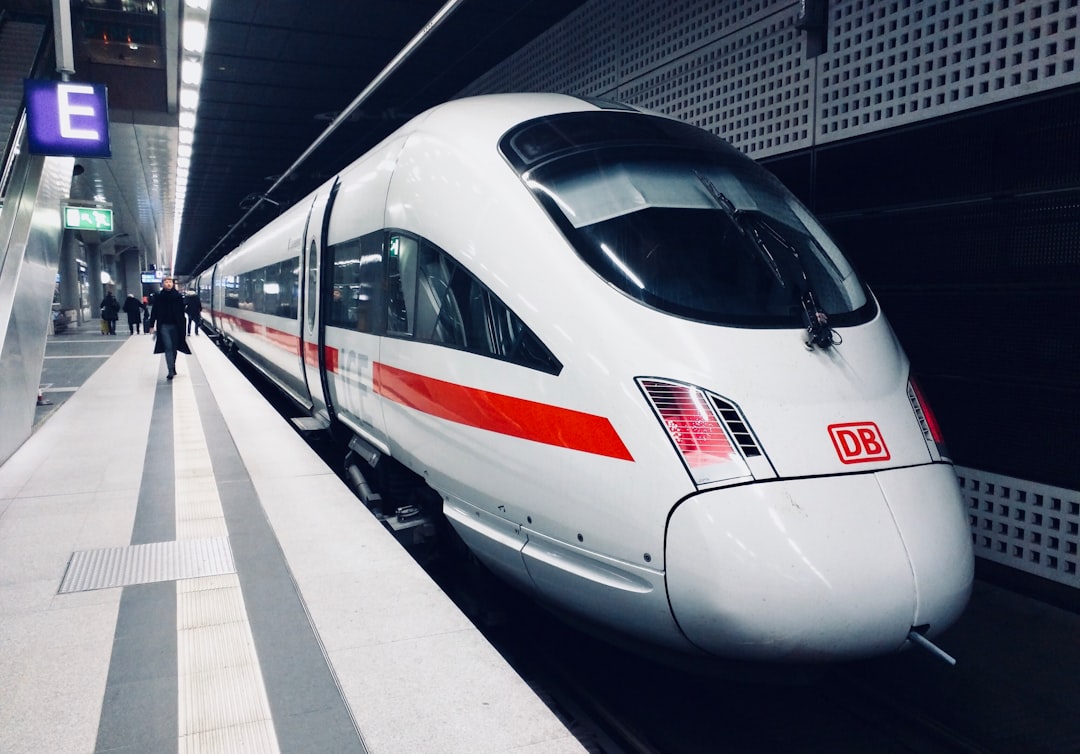
France24.com reports that the UK-German taskforce is considering plans for direct trains from London to Berlin. This indicates a broader push for better rail connectivity across Europe. Such collaboration could open the market to new players, fostering innovation and improving service delivery.
As the regulatory environment evolves, transportation policy analysts should closely watch how these changes affect market dynamics and the overall competitiveness of the rail sector.
The implications of this move will resonate throughout the sector, reshaping ticket pricing, service offerings, and regulatory frameworks.
Virgin Trains’ planned expansion into Europe marks a significant turning point in the rail industry. The implications of this move will resonate throughout the sector, reshaping ticket pricing, service offerings, and regulatory frameworks. With a focus on competition and customer experience, the future of cross-Channel rail travel is set for transformation.
Frequently Asked Questions
What does Virgin Trains operating in Europe mean for train operating companies?
Virgin Trains’ entry into the European market signals the start of increased competition among train operating companies. This shift may lead to more innovative services and competitive pricing, benefiting consumers.
How might transportation policy change with Virgin Trains’ new services?
The introduction of Virgin Trains’ services may prompt regulators to reassess policies for international rail operations. This could lead to reforms that facilitate smoother operations for new entrants, enhancing competition in the rail sector.
What should transportation policy analysts consider regarding the Eurostar monopoly?
Analysts should examine how Virgin Trains’ entry affects Eurostar’s market share and pricing strategies. Competitive pressure may drive Eurostar to improve its service quality and pricing models to keep customers.
Written by Career Ahead AI. AI can make mistakes, so verify key facts. Report errors to support@careeraheadonline.com.