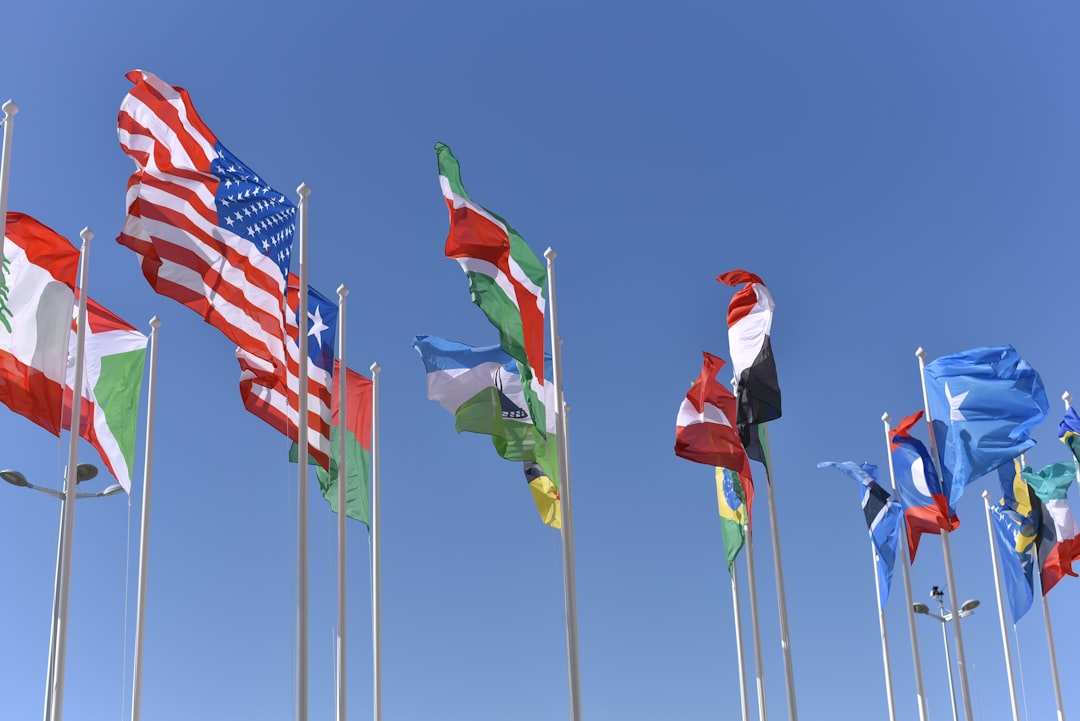
At the forum, Goyal highlighted the importance of local currency transactions, stating that they would help reduce dependency on major currencies like the US dollar.
BRICS nations are urged to connect their payment systems and increase trade in local currencies. India’s Union Commerce Minister Piyush Goyal made this statement at the BRICS Business Forum on September 11, 2026. He believes these measures could boost economic cooperation among member states, which represent half of the global population and 40% of the global GDP.
Goyal stressed the importance of local currency transactions. He said they would help reduce reliance on major currencies like the US dollar. He also noted that trade among BRICS countries should be strong and diverse, promoting economic growth. This shift to local currencies is expected to make transactions smoother and cheaper for businesses engaged in cross-border trade.
Transforming Cross-Border Payment Systems
The call to link payment systems among BRICS nations marks a major change in international trade. Currently, many transactions rely heavily on the US dollar. This reliance can lead to higher costs and complexities due to exchange rate fluctuations. By using local currencies, member states can simplify trade processes, making it easier and cheaper for businesses to operate across borders.
By using local currencies, member states can simplify trade processes, making it easier and cheaper for businesses to operate across borders.
Career Ahead’s analysis shows that integrating local payment systems could greatly improve trade efficiency. For example, using local currencies can lower transaction fees and speed up payment processing times. This is especially helpful for small and medium-sized enterprises (SMEs) that struggle with currency conversion costs and international banking fees. According to a report by Hindustan Times, Goyal’s proposal aims to create a more inclusive financial environment for SMEs in the global marketplace.
Moreover, a unified payment system among BRICS nations could lead to greater financial inclusion. Easier access to international markets would allow businesses in emerging economies to participate more in global trade. This could boost exports from these countries, strengthening their economies and creating new jobs. Goyal’s discussion of a BRICS payment system could also reduce risks linked to currency volatility, which has hindered trade in many regions.
Additionally, Goyal’s proposal aligns with a broader trend of countries wanting to reduce reliance on traditional financial systems controlled by Western powers. As nations seek alternative trade methods, the BRICS bloc could lead in developing innovative financial solutions. This shift is especially relevant amid rising geopolitical tensions, where countries want to assert their economic independence.
Nifty 50 companies are projected to achieve strong double-digit growth in Q2 2023, driven by key sectors like automobiles, banking, and oil, amidst a recovering…
Opportunities for Trade Agreements Among BRICS Nations
The push for local currency trade also opens up new trade agreements among BRICS nations. By focusing on economic cooperation, member states can negotiate terms that benefit them all. This could create a more integrated economic landscape where countries support each other’s growth. As reported by Business Today, Goyal stressed the need for BRICS nations to open their markets to each other’s products, stimulating local economies and fostering interdependence.
As reported by Business Today, Goyal stressed the need for BRICS nations to open their markets to each other’s products, stimulating local economies and fostering interdependence.
For financial analysts, this shift presents a chance to reassess investment strategies in emerging markets. As BRICS nations strengthen ties, analysts must consider how these changes affect market dynamics and investment flows. Increased trade could attract foreign investment, further boosting economic growth within the bloc. The emphasis on local currencies may also lead BRICS countries to explore new sectors for collaboration. Areas like technology, agriculture, and renewable energy could become key points for joint ventures and partnerships. This diversification can help reduce risks tied to over-reliance on a single sector or market.
Additionally, the proposed BRICS grain exchange by Russian Minister Maxim Reshetnikov could enhance trade relations by providing a platform for agricultural commodities. This initiative shows the potential for BRICS nations to collaborate in areas of strength, benefiting their economies. As BRICS nations move forward with these initiatives, international trade specialists must stay informed about the evolving landscape. Understanding local currency trade and payment system integration will be crucial for navigating new opportunities and challenges.
The BRICS Business Forum’s discussions mark a pivotal moment for international trade. By prioritizing local currency transactions and payment system integration, member states are reshaping global economic dynamics. These changes go beyond financial transactions; they represent a broader shift in the global economic order, where emerging markets assert their influence and redefine international trade rules.
Frequently Asked Questions
What are the implications of local currency trade for international trade specialists?
Career Ahead’s analysis indicates that local currency trade could simplify transactions for international trade specialists. This shift may reduce costs and complexities tied to currency conversion and create new opportunities for trade agreements among BRICS nations.
China's efforts to attract foreign AI researchers are hampered by salary disparities, job security concerns, and geopolitical tensions with the U.S., which continues to dominate…
Financial analysts should closely watch developments in BRICS payment systems and local currency trade.
How can financial analysts prepare for changes in BRICS payment systems?
Financial analysts should closely watch developments in BRICS payment systems and local currency trade. By understanding these changes, analysts can adjust their investment strategies and identify emerging market opportunities.
What should international trade specialists do about the shift to local currencies?
International trade specialists should stay updated on local currency transactions and payment system integration. Adapting to these changes will be essential for leveraging new opportunities and navigating potential challenges in cross-border trade.




 Industry & Global Trends
Industry & Global Trends