No products in the cart.

Britain’s Strategic Insights from EU-Canada Relations

The EU's strategic alignment with Canada marks a significant shift in global alliances, offering lessons for the UK post-Brexit. This partnership emphasizes deep cooperation in trade, defense, and technology, while advocating for a rules-based international order amidst rising nationalism.

Brussels, Belgium — On September 17, 2026, European Commission President Ursula von der Leyen invited Canada to become the first country to enjoy a proposed new status of intimate strategic alignment with the EU, which stops short of full membership. This invitation comes amid a backdrop of shifting global alliances and the need for strengthened cooperation among democratic nations. Canada’s Prime Minister Mark Carney responded positively, emphasizing the need for deep cooperation across various sectors including trade, defense, and technology.
The significance of this development cannot be understated. It highlights a strategic ambition that could reshape not only Canada-EU relations but also offer essential lessons for the UK, especially in the wake of Brexit. As the UK navigates its post-Brexit landscape, understanding the dynamics of EU-Canada relations could inform its own trade policies and diplomatic strategies.
Examining the Strategic Ambitions of EU-Canada Relations
The recent engagement between the EU and Canada signifies a shift towards enhanced collaboration in a world increasingly characterized by geopolitical tensions. Carney’s vision for Canada’s role within this framework reflects a proactive approach to securing strategic autonomy through partnerships that transcend traditional alliances. His proposals include Canadian participation in the EU’s Erasmus student exchange program and the Horizon research initiative, highlighting a commitment to not only economic ties but also cultural and educational exchanges.
This ambition is particularly relevant as global powers like the US and China vie for influence. The EU and Canada are positioning themselves as middle powers that can champion multilateralism and democratic values. This strategic alignment could serve as a counterbalance to unilateral actions by larger nations, thus providing a model for the UK as it seeks to redefine its role on the world stage. The Guardian notes that this partnership could lead to a more integrated economic framework, which may streamline regulations and reduce tariffs, creating a more favorable environment for businesses in both regions.
Furthermore, the EU-Canada relationship is not merely about economic cooperation; it also encompasses shared values and mutual interests in global governance. The two entities have consistently advocated for a rules-based international order, which is increasingly important in the face of rising nationalism and protectionism. This shared vision could serve as a guiding principle for the UK as it seeks to establish its own identity in the global arena post-Brexit.
As highlighted in The Guardian, the UK must recognize that successful diplomacy often hinges on the ability to navigate intricate political landscapes and foster collaborative relationships.
However, the path to formalizing this partnership is fraught with challenges. Negotiating a multifaceted agreement requires accommodating the diverse interests of 27 EU member states, a process that has proven complex in past negotiations. This complexity serves as a cautionary tale for the UK, which has faced its own hurdles in establishing a post-Brexit relationship with the EU. The lessons learned from the EU-Canada negotiations can inform UK strategies, particularly in terms of patience and the need for building trust among negotiating partners. As highlighted in The Guardian, the UK must recognize that successful diplomacy often hinges on the ability to navigate intricate political landscapes and foster collaborative relationships.
As the UK continues to redefine its trade relationships, the importance of strategic partnerships cannot be overstated. The EU-Canada relationship exemplifies how nations can work together to address common challenges while also pursuing their individual interests. For UK leaders, this model presents an opportunity to rethink their approach to international diplomacy and trade.
Implications for UK Trade Policy and Diplomacy
The implications of the EU-Canada relationship extend beyond mere economic interests; they also encompass broader geopolitical considerations. As the UK navigates its post-Brexit reality, it must consider how its trade policies can align with global trends and the shifting balance of power. The resurgence of protectionist policies in various countries, combined with the rise of digital economies, presents both challenges and opportunities. The Guardian emphasizes that the UK must adapt to these changes to remain competitive in an increasingly interconnected world.
For UK trade policy analysts, the EU-Canada model suggests the need for a more integrated approach to trade agreements that prioritize collaboration over competition. This could involve forming strategic alliances with like-minded nations that share similar values and goals. By doing so, the UK can enhance its global standing and foster economic growth in a more interconnected world. The potential for a comprehensive trade agreement with Canada, which could mirror the EU-Canada Comprehensive Economic and Trade Agreement (CETA), could serve as a blueprint for future UK trade deals.
Moreover, the emphasis on sectors such as technology and defense within the EU-Canada discussions highlights the importance of innovation in trade policy. UK businesses, particularly in tech-driven industries, must adapt to these trends by aligning their strategies with international standards and practices. This alignment will not only facilitate smoother trade relations but also position the UK as a leader in emerging sectors. Career Ahead’s research indicates that the UK’s ability to adapt to these changes will be crucial for its economic recovery and growth.
Career Ahead’s research indicates that the UK’s ability to adapt to these changes will be crucial for its economic recovery and growth.
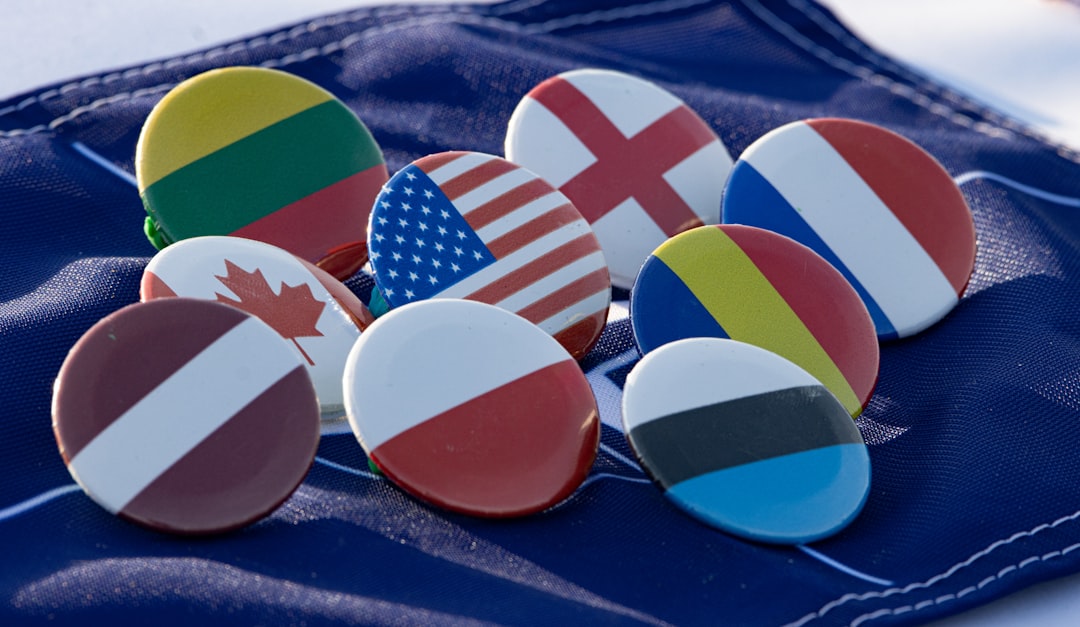
As the landscape of international trade continues to evolve, UK diplomats and policymakers must remain agile and responsive to new developments. This includes being open to revisiting existing trade agreements and exploring new partnerships that align with the UK’s strategic interests. The lessons from Canada’s engagement with the EU could serve as a roadmap for the UK as it seeks to strengthen its own trade relationships.
In this context, the UK’s relationship with the EU will remain pivotal. As both entities seek to navigate the complexities of global trade, a cooperative approach could yield significant benefits for both sides. The lessons from Canada’s engagement with the EU could serve as a roadmap for the UK as it seeks to strengthen its own trade relationships.
As the global landscape continues to shift, the question remains: how will the UK leverage the strategic lessons from EU-Canada relations to redefine its own trade policies and diplomatic strategies? The coming months will be critical for UK leaders as they seek to establish a clear vision for the future of trade in a post-Brexit world.
Frequently Asked Questions
What are the key lessons from EU-Canada relations for trade policy analysts?
Career Ahead analysis shows that trade policy analysts should focus on the importance of strategic partnerships and multilateral agreements. The EU-Canada relationship exemplifies how collaboration can enhance economic ties while addressing geopolitical challenges.
These elements are crucial for successful negotiations and can inform the UK’s approach to its own diplomatic efforts.
How do EU-Canada relations affect business leaders in trade?
Career Ahead research finds that EU-Canada relations provide a model for business leaders to explore new markets and partnerships. Understanding the dynamics of these relationships can help businesses adapt their strategies for international trade.

What should diplomats in international relations consider from EU-Canada partnerships?
Diplomats should consider the emphasis on trust-building and collaboration seen in EU-Canada relations. These elements are crucial for successful negotiations and can inform the UK’s approach to its own diplomatic efforts.
Written by Career Ahead AI. AI can make mistakes, so verify key facts. Report errors to support@careeraheadonline.com.