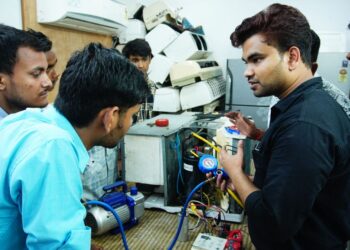
The initiative aims to address the alarming statistic of over one million young people in the UK currently not in education, employment, or training (NEET).
England is set to launch new technical education routes for students starting at age 14. This initiative, announced by Prime Minister Andy Burnham, aims to integrate subjects like manufacturing and artificial intelligence (AI) with core academic learning. The government intends for these courses to be closely linked to local job markets, providing students with the skills needed for future employment.
The move comes in response to alarming statistics showing over one million young people in the UK are currently not in education, employment, or training (NEET). This figure represents the highest level in over a decade, highlighting a pressing need for educational reform that aligns more closely with industry demands. According to a recent report by the BBC, the government is responding to this crisis with a significant overhaul of the educational system, emphasizing the necessity of practical skills alongside traditional academics.
Diverse Pathways for Student Success
Burnham emphasized the importance of offering diverse educational pathways, stating that students should not feel pressured to pursue only traditional academic subjects to achieve success. The new curriculum aims to respect and value various career choices, whether they lead to roles in construction, coding, manufacturing, or mechanics. He stated, “For too long, students have been told to take academic subjects to do well and be respected. My message to young people is this: whether you choose construction, coding, or classics, you’ll get the skills you need and be given the respect you deserve.” This statement reflects a broader shift in educational philosophy, recognizing the value of vocational training.
Linking Education to Local Job Markets
The introduction of manufacturing and AI courses is designed to create a direct link between education and employment opportunities in local communities. Students will have the chance to combine their core subjects, such as English and mathematics, with high-quality technical education tailored to the jobs available in their area. This approach is expected to enhance students’ employability by equipping them with relevant skills and practical experience. As highlighted in a report by The Guardian, the government plans to collaborate closely with regional employers, schools, and colleges to ensure that the curriculum reflects the needs of local industries.
Career Ahead’s analysis shows that this strategy not only addresses the immediate skills gap but also fosters a culture of collaboration between educational institutions and local businesses.
Dev Prabhakar Singh Tomar's journey from a Chambal village to securing AIR 629 in the UPSC Civil Services Examination exemplifies resilience and determination among Indian…
For instance, initiatives like the Greater Manchester Baccalaureate, launched in 2023, have already begun to align educational offerings with the skills required in growing sectors such as green energy and digital technology. This alignment is crucial, as it not only prepares students for immediate job opportunities but also fosters long-term career growth in emerging fields. Career Ahead’s analysis shows that this strategy not only addresses the immediate skills gap but also fosters a culture of collaboration between educational institutions and local businesses. By providing students with real-world experience through internships and apprenticeships, the initiative aims to create a more skilled workforce ready to meet the demands of the evolving job market.
Addressing Youth Unemployment
Furthermore, the initiative is expected to play a crucial role in reducing youth unemployment. With more than 13.5% of young people aged 16 to 24 classified as NEET, the government’s focus on technical education could be a game-changer. By equipping students with practical skills, the program aims to decrease this alarming statistic and offer a clearer pathway to employment. The BBC reports that school leaders’ unions have welcomed the government’s ambition to improve technical education but have called for greater clarity on how and when the changes will be implemented, as well as how they will be funded.
Future Job Opportunities and Industry Needs
The decision to introduce technical education pathways for 14-year-olds marks a significant shift in the UK’s approach to youth education. By focusing on manufacturing and AI, the government is acknowledging the growing importance of these sectors in the economy. This shift is likely to influence the future job landscape, making technical skills increasingly valuable. Career Ahead research identifies that as industries continue to evolve, the demand for skilled workers in manufacturing and AI will only increase. This means that students entering these programs will not only gain immediate skills but will also be better positioned for long-term career success.
The emphasis on practical experience and industry connections will provide them with a competitive edge in the job market. Moreover, the integration of AI education into the curriculum is particularly timely. As businesses increasingly adopt AI technologies, there will be a growing need for workers who understand these tools and can leverage them effectively. By starting AI education at an early age, the government is preparing a generation of workers who can thrive in a tech-driven economy. However, the success of these initiatives will depend on the government’s ability to implement them effectively. There are concerns about the level of detail provided in the announcement, with some educators calling for clearer guidelines on how the changes will be executed. Addressing these concerns will be crucial to ensure that the new pathways are not just theoretical but translate into real opportunities for students.
Frequently Asked Questions
What manufacturing skills will be taught in the new curriculum?
The new curriculum aims to teach students essential manufacturing skills, including basic engineering principles, production techniques, and quality control processes. These skills will be tailored to meet the needs of local industries, ensuring that students are job-ready upon graduation.
Calcutta University has reinstated attendance marks for undergraduate students, allocating 5 out of 25 internal assessment marks to encourage classroom attendance.
This means that students entering these programs will not only gain immediate skills but will also be better positioned for long-term career success.
How will AI education for 14-year-olds impact future job opportunities?
AI education will provide students with foundational knowledge in artificial intelligence, preparing them for roles in a technology-driven job market. This early exposure will enhance their employability and equip them with skills relevant to future workplaces.
What should manufacturing students do to prepare for these new courses?
Students interested in manufacturing should focus on developing their problem-solving and critical thinking skills. Engaging in hands-on projects and seeking internships in related fields can also provide valuable experience that will benefit them in the new curriculum.



Education & University Insights
 Education & University Insights