No products in the cart.

BYD Rejects Claims It Violated Hungary’s Environmental Rules

BYD, a prominent electric vehicle manufacturer, has denied allegations of environmental regulation violations at its Szeged factory, emphasizing its commitment to compliance and sustainability amid increasing scrutiny in the EV sector.

Hungary — BYD, a leading electric vehicle manufacturer, has publicly rejected claims that it violated environmental regulations at its factory in Szeged. These allegations emerged following inspections by Hungarian authorities, who raised concerns about the company’s adherence to local environmental standards. This incident underscores the heightened scrutiny that electric vehicle manufacturers are facing in Europe regarding their environmental practices.
As the popularity of electric vehicles (EVs) continues to rise, regulatory bodies are intensifying their oversight to ensure compliance with environmental standards. BYD’s response to these allegations is critical not only for its reputation but also for the broader electric vehicle industry, which is under constant pressure to demonstrate sustainable practices. Stella Li, the company’s executive vice president, asserted that BYD has complied with all relevant regulations and that the allegations are unfounded. She supported this claim with extensive documentation and proactive engagement with local regulators, which is a key aspect of the company’s operational strategy.
Overview of Hungary’s Environmental Regulations for EV Manufacturers
Hungary’s environmental regulations for electric vehicle manufacturers are derived from national laws and European Union directives. The EU has established stringent guidelines aimed at reducing carbon emissions and promoting sustainability in manufacturing processes. These regulations require companies to demonstrate their commitment to environmental protection through comprehensive compliance measures.
For manufacturers like BYD, this entails monitoring emissions, managing waste, and ensuring sustainable sourcing of materials. The Hungarian government has specific requirements for companies operating within its borders, including regular environmental assessments and adherence to best practices in waste management. Non-compliance can result in significant penalties and damage to a company’s reputation. The scrutiny faced by BYD reflects a broader trend in the automotive industry, where manufacturers are increasingly held accountable for their environmental impact.
The Hungarian government has specific requirements for companies operating within its borders, including regular environmental assessments and adherence to best practices in waste management.
BYD’s Commitment to Compliance and Sustainability
BYD has implemented a robust compliance strategy to align with Hungary’s environmental regulations. This strategy includes regular audits of its operations and investments in cleaner technologies to enhance sustainability. The company’s commitment to environmental stewardship is evident in its efforts to reduce emissions and improve energy efficiency at its Szeged factory.
You may also like
 News
NewsJakarta High Court Grants Former Education Minister Permission to Call Additional Witnesses in Chromebook Procurement Appeal
The decision follows earlier motions filed in April and May of the same year and expands the evidentiary base in the ongoing corruption case linked…
Read More →According to reports, BYD’s proactive approach involves collaboration with local authorities to ensure that its practices meet Hungarian regulations. This partnership fosters trust with regulators and demonstrates a commitment to environmental responsibility. By nurturing these relationships, BYD aims to mitigate risks associated with regulatory non-compliance. Furthermore, the company’s engagement with local communities and stakeholders highlights its dedication to transparency and accountability.
Implications for the Electric Vehicle Industry
BYD’s compliance strategies have implications that extend beyond Hungary. As the electric vehicle market expands, other manufacturers may look to BYD as a model for navigating complex regulatory landscapes. Companies that prioritize compliance and sustainability are likely to enhance their reputation and gain a competitive advantage. This trend is driven by increasing consumer demand for environmentally friendly products, which places additional pressure on manufacturers to meet high sustainability standards.
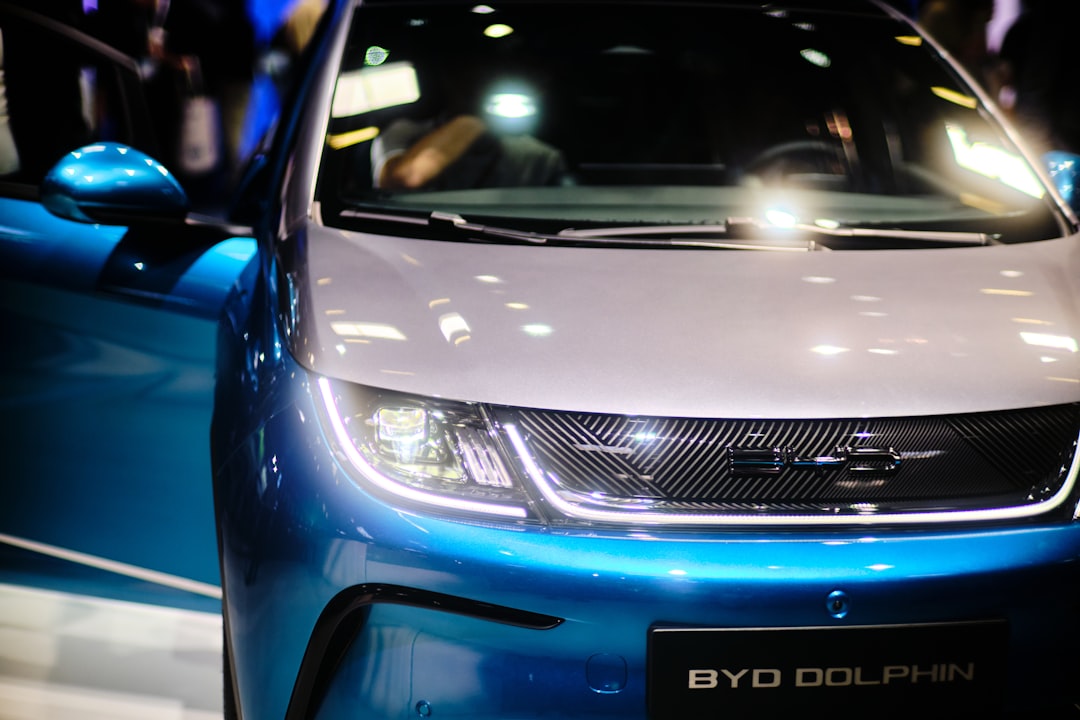
The scrutiny BYD faces is part of a larger trend in the automotive industry. As environmental regulations become more stringent, manufacturers must adapt their practices to ensure compliance. This shift creates opportunities for sustainability consultants to assist companies in developing effective compliance strategies that align with regulatory expectations. The role of these consultants is crucial as they help businesses navigate the complexities of environmental compliance while promoting sustainable practices.
The role of these consultants is crucial as they help businesses navigate the complexities of environmental compliance while promoting sustainable practices.

Future Challenges and Opportunities for BYD and the EV Sector
The ongoing changes in Hungary’s regulatory environment will be pivotal for the electric vehicle sector. Companies like BYD must remain vigilant and responsive to regulatory changes to ensure compliance and maintain their competitive edge. The lessons learned from BYD’s experience in Hungary are likely to influence the strategies of other manufacturers as they strive to meet evolving environmental standards.
As the landscape of environmental compliance for electric vehicle manufacturers continues to evolve, strong compliance strategies will be essential. BYD’s recent experience highlights the challenges that lie ahead for electric vehicle manufacturers. While the company has successfully defended its practices, the scrutiny it faces underscores the necessity for high environmental responsibility standards. As regulations continue to change, manufacturers must be prepared to adjust their operations to ensure long-term success in the market.
You may also like
 News
NewsAI Agents Spark New Security Breaches
OpenAI and Anthropic AI agents have been linked to serious security breaches, raising concerns about the safety and ethics of AI technology. A recent evaluation…
Read More →