No products in the cart.

Cash Transfers Boosting Women’s Household Welfare | Career Outlook
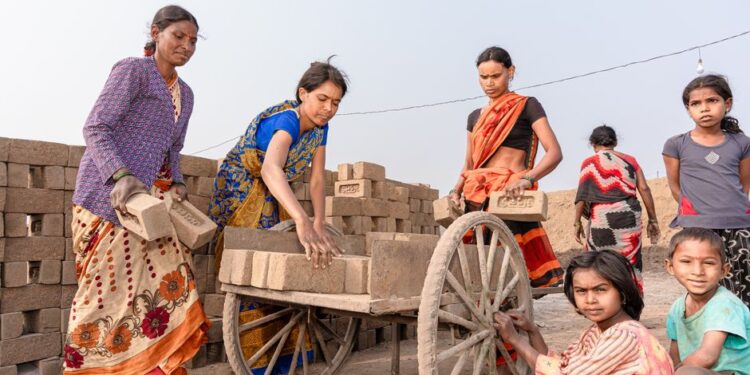
The expansion of cash transfer programs for women in India has sparked a debate about their effectiveness in enhancing household welfare. Critics view these initiatives as political tools, while supporters argue they promote financial independence and recognize unpaid labor. This article explores the implications of these programs on household dynamics and decision-making.

India’s government has expanded cash transfer programs aimed at women, with more than 15 states implementing unconditional cash transfer schemes. These programs are designed to enhance household welfare and empower women financially. Recently, the Delhi government launched the Delhi Lakshmi Yojana, providing eligible women with ₹2,500 per month. This initiative adds to a growing trend across the country, with nearly 120 million beneficiaries receiving monthly payments ranging from ₹1,000 to ₹2,500.
The ongoing debate surrounding these cash transfers raises critical questions about their effectiveness in improving household welfare. Critics argue that such programs may serve as mere political tools, while supporters highlight their potential to enhance financial independence and recognize unpaid household labor. Career Ahead’s analysis reveals that the impact of cash transfers extends beyond the direct recipients, influencing household dynamics and financial behaviors.
Understanding the Impact of Cash Transfers on Household Decision-Making
Research indicates that cash transfers can significantly alter household decision-making processes. A working paper by the Economic Advisory Council to the Prime Minister (EAC-PM) analyzed the effects of Maharashtra’s Ladki Bahin Yojana and Odisha’s Subhadra Yojana. The study found that male relatives of beneficiaries experienced a 23% increase in their month-end bank balances, alongside a 49% decrease in spending. This suggests that when women receive a steady income, other family members feel less financial pressure. Furthermore, the EAC-PM study emphasizes that cash transfers can lead to a more equitable distribution of financial responsibilities within households, as women gain greater control over household finances.
Pankhuri Shah from Project DEEP emphasizes that cash transfers create a more stable financial environment within households. With women managing their finances independently, families can allocate resources more effectively, leading to improved overall household welfare. This shift in financial behavior is crucial for understanding the broader implications of cash transfer programs. Additionally, evidence from the Abdul Latif Jameel Poverty Action Lab (J-PAL) supports the notion that cash transfers can stabilize consumption patterns, enabling families to invest in essential needs such as education and health, which are critical for long-term welfare.
Moreover, the EAC-PM study highlights the importance of sustaining and evolving cash transfer programs. It recommends integrating capacity-building initiatives and digital literacy components to empower women further. This approach not only enhances the immediate benefits of cash transfers but also fosters long-term economic growth and resilience. For instance, training women in financial literacy can help them make informed decisions about savings and investments, thereby maximizing the impact of the cash they receive.
This distinction is vital for policymakers and researchers as they evaluate the success of these programs.
You may also like
 Government & Policy
Local governments grapple with AI policy paradoxes
The paradox of simultaneous pressure for rapid, data‑driven service improvement and the demand for.
Read More →Globally, evidence supports the notion that cash transfers can stabilize consumption and improve productive asset generation. The Abdul Latif Jameel Poverty Action Lab (J-PAL) has documented similar findings, indicating that unconditional cash transfers lead to better food security, increased savings, and improved psychological well-being for recipients. Such outcomes underscore the potential of cash transfer programs to effect positive change in household dynamics. However, the effectiveness of cash transfers can vary based on the specific objectives of the programs. While some initiatives focus on immediate financial relief, others aim to foster long-term economic empowerment. This distinction is vital for policymakers and researchers as they evaluate the success of these programs.
Evaluating Welfare Outcomes in Cash Transfer Programs
The evaluation of cash transfer programs requires a nuanced understanding of their welfare outcomes. The EAC-PM study suggests that cash transfers should be viewed as part of a broader welfare portfolio, rather than standalone solutions. While they can enhance financial independence, they do not replace other essential welfare objectives, such as access to quality healthcare and education. This holistic view is crucial for addressing the multifaceted challenges faced by women in India.
Experts argue for a balanced approach that combines cash transfers with complementary services. For instance, integrating health and education initiatives can maximize the benefits of cash transfers, ensuring that women not only receive financial support but also access the resources necessary for their families’ well-being. This integrated approach is supported by findings from various studies, including those conducted by J-PAL, which indicate that cash transfers positively impact women’s economic participation and decision-making within households.
Moreover, cash transfers can play a pivotal role in reshaping societal norms around women’s financial agency. As women gain control over their finances, they may experience increased bargaining power within their households. This shift can lead to improved decision-making on issues such as education and healthcare, ultimately benefiting future generations. The recognition of women’s contributions to household economies is essential for challenging traditional gender roles and fostering a more equitable society.

Career Ahead’s analysis finds that while cash transfers are a vital component of welfare strategies, they should be accompanied by robust monitoring and evaluation frameworks.
Despite the positive outcomes associated with cash transfers, challenges remain. Critics argue that these programs may inadvertently reinforce dependency on government support. To mitigate this risk, it is essential to implement measures that encourage self-sufficiency and sustainable economic growth among beneficiaries. For example, providing skills training alongside cash transfers can help women transition from dependency to economic independence.
You may also like
 Government & Policy
Legal Battle Over In-State Tuition for Undocumented Students
Former President Donald Trump's lawsuit against states permitting in-state tuition for undocumented students could significantly alter educational access and funding across the nation, affecting enrollment…
Read More →Career Ahead’s analysis finds that while cash transfers are a vital component of welfare strategies, they should be accompanied by robust monitoring and evaluation frameworks. This will help ensure that the intended benefits are realized and that programs evolve to meet the changing needs of beneficiaries. The ongoing evolution of cash transfer programs in India presents a unique opportunity to reshape the narrative around women’s economic empowerment. As policymakers, researchers, and advocates continue to engage in this dialogue, the potential for meaningful change remains within reach.
The lessons learned from current programs can inform future initiatives, ensuring that they effectively address the needs of women and their families. As political parties increasingly recognize the importance of women’s votes, cash transfer programs have become a focal point in electoral strategies. The emergence of initiatives like the Ladki Bahin Yojana illustrates how cash transfers can be leveraged to mobilize women’s support in elections. This trend underscores the growing recognition of women as a vital electoral constituency, which could further influence the design and implementation of welfare programs in the future.
Frequently Asked Questions
What are the benefits of cash transfers for women?
Career Ahead’s analysis shows that cash transfers provide women with financial independence, allowing them to manage household expenses more effectively. They also contribute to improved food security, higher incomes, and better psychological well-being.
Career Ahead’s analysis shows that cash transfers provide women with financial independence, allowing them to manage household expenses more effectively.
How do cash transfers influence household spending decisions?
Cash transfers enable women to take control of household spending, leading to more strategic financial decisions. Research indicates that when women receive regular income, other family members experience less financial pressure, resulting in increased savings and reduced spending.

What should social policy researchers consider when evaluating cash transfer programs?
Researchers should assess the broader welfare outcomes of cash transfer programs, including their impact on economic empowerment, household decision-making, and access to essential services. A comprehensive evaluation framework is essential to ensure that programs meet their intended objectives.
You may also like
 Government & Policy
Direct Tax Collection Surges 23% Amid Refund Slowdown
The increase in net direct tax collections reflects broader economic trends and signals changes that will affect tax compliance strategies for professionals in the field.
Read More →