No products in the cart.

Fitch Maintains India’s BBB- Rating Amid Growth Concerns

Fitch forecasts a GDP growth rate of 6.4% for the current fiscal year, a decline from the average growth of 7.4% over the previous three years.

India’s sovereign credit rating is BBB- as of August 11, 2026, according to Fitch Ratings. This is the 20th year India has held this rating, which is the lowest investment grade. Fitch sees strong growth potential in India but warns of fiscal risks from recent youth protests for better job opportunities.
Fitch predicts a GDP growth rate of 6.4% for the current fiscal year. This is down from an average of 7.4% over the last three years. The slowdown is due to several factors, including the ongoing energy crisis linked to geopolitical tensions. Despite these issues, Fitch highlights India’s resilience against economic shocks. The report also points out that India’s economic strengths, like a large consumer market and a young workforce, continue to attract foreign investors.
Understanding the Impact of Youth Protests on Fiscal Stability
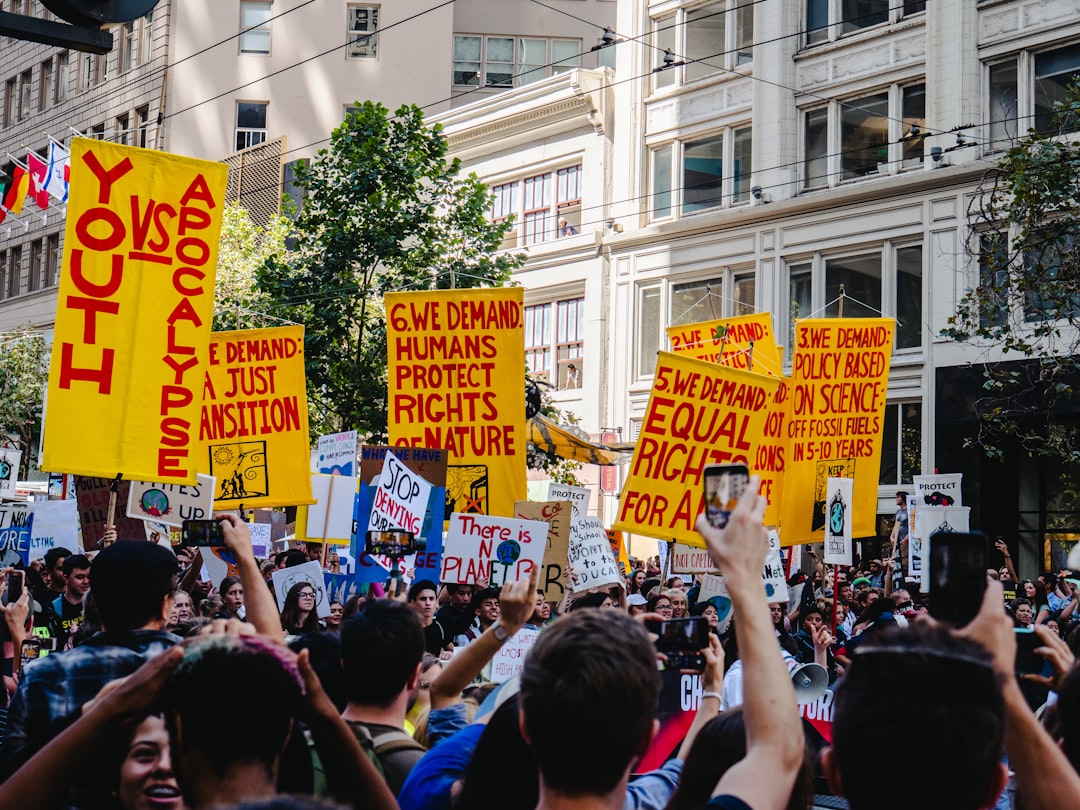
The recent youth protests in India have raised concerns about fiscal stability. These protests focus on job opportunities and transparency in competitive exams. They reflect a broader discontent among young people regarding employment prospects. Fitch notes that these demonstrations could pressure the government to increase spending on education and job creation, straining fiscal resources. According to Livemint, the protests have disrupted parliamentary proceedings, showing heightened political sensitivity around youth employment.
Career Ahead’s analysis shows that the protests indicate growing discontent among the youth. This could lead to increased government spending on social programs. While the government may need to respond to these demands, such actions could worsen existing fiscal deficits. A balanced approach is crucial as the government navigates these pressures while trying to maintain economic growth.
A balanced approach is crucial as the government navigates these pressures while trying to maintain economic growth.
You may also like
 Government & Policy
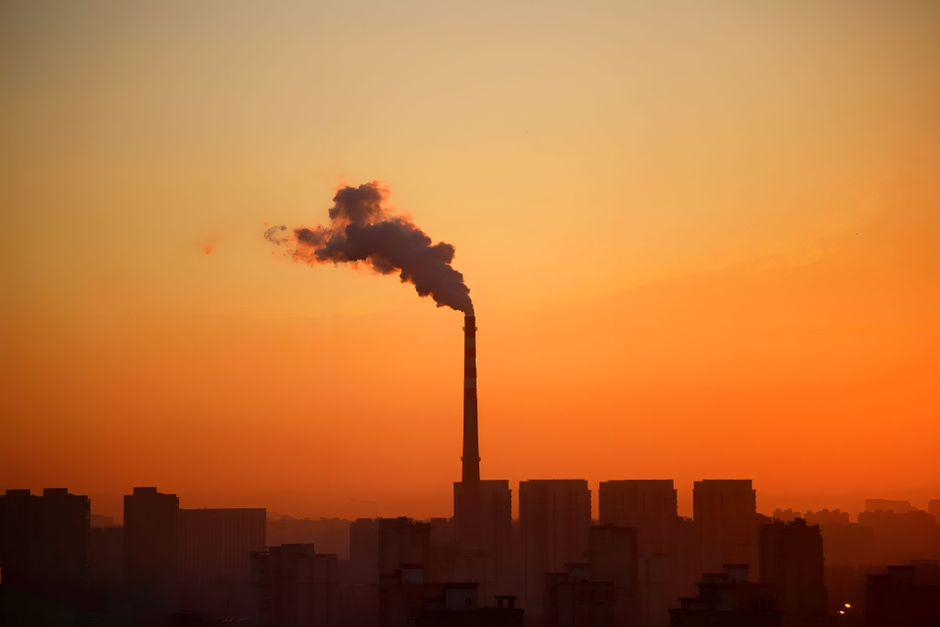
Fossil Fuel Subsidies Fuel Climate Crisis and Economic Implications
Fossil fuel subsidies are contributing to the worsening climate crisis and impacting economic investments in renewable energy. This article examines the implications for energy policy…
Read More →Furthermore, the protests have already disrupted parliamentary proceedings. This indicates a heightened political sensitivity around youth employment issues. The government may take a more proactive stance in addressing these concerns, which could influence economic policies and investment strategies. Investors should stay alert as these developments unfold, as they may signal changes in government priorities that could affect the economic landscape. The government’s response to these protests will be key in shaping the fiscal outlook and maintaining investor confidence. If the protests escalate, they could lead to a re-evaluation of India’s credit rating, impacting foreign investment significantly.
As the government faces these challenges, it must prioritize sustainable economic growth. Balancing the demands of the youth with fiscal responsibility will be vital for India’s economic future. Additionally, the ruling party’s recent electoral victories at the state level may provide a mandate for policies that address youth unemployment and skill development, which are essential for long-term stability.
Implications of India’s BBB- Rating for Foreign Investment
Fitch’s decision to keep India’s BBB- rating reflects a complex mix of factors affecting foreign investment. While the rating suggests a stable outlook, the potential for increased fiscal spending due to youth protests raises questions about sustainability. Investors will likely scrutinize how the government addresses these challenges, particularly regarding fiscal discipline and economic reforms. According to The Hindu Business Line, retaining the BBB- rating means India remains attractive for foreign investors, given its strong growth prospects.
According to The Hindu Business Line, retaining the BBB- rating means India remains attractive for foreign investors, given its strong growth prospects.
However, rising fiscal risks from youth protests could deter some investors who seek stability and predictability. Investor sentiment may shift as the government navigates these challenges. The government’s goal to reduce the debt-to-GDP ratio to 50% by March 2031, as stated in the FY27 Budget, will be crucial for maintaining investor confidence. Fitch’s analysis suggests that achieving this target will require careful management of fiscal resources, especially with potential increases in spending to meet youth demands.
You may also like
 Government & Policy
'Modi, Trump to work out 100% tariff issue'
The U.S. Senate passed the Lindsey O. Graham Sanctioning Russia and Iran Act of 2026, which allows the President to impose tariffs of up to…
Read More →Career Ahead research indicates that the current economic environment presents both opportunities and risks for investors. India’s strong economic fundamentals remain, but pressures from youth protests could lead to increased volatility. Investors should weigh these factors when making decisions, as they may influence the long-term outlook for foreign direct investment in India. The government’s ability to implement necessary reforms and maintain fiscal discipline will be critical in shaping the investment landscape.
In this context, support for the ruling party in state elections could provide a mandate for policies addressing youth unemployment and skill development. This political backing may enhance the government’s ability to tackle fiscal challenges while fostering a favorable investment environment. As the situation develops, investors must stay informed about the government’s responses to youth protests and their implications for fiscal policy. The intersection of political stability, economic growth, and social unrest will significantly influence India’s investment landscape.
Ultimately, India’s economic trajectory will depend on how effectively the government balances youth demands with fiscal responsibility. The coming months will be crucial in determining if the current growth outlook can be sustained amid rising social pressures. As noted by Times of India, the government’s proactive measures in response to these protests will be closely watched by both domestic and international investors, significantly influencing the overall economic climate.
Career Ahead’s analysis shows that India’s BBB- rating suggests a stable investment environment.
Frequently Asked Questions
What are the implications of India’s BBB- rating for financial analysts?
Career Ahead’s analysis shows that India’s BBB- rating suggests a stable investment environment. However, analysts must consider potential fiscal risks from youth protests, which could affect economic forecasts and investment strategies.
How should investors respond to fiscal risks in India?
Investors should closely monitor the government’s responses to youth protests and related fiscal pressures. Understanding the political landscape and potential policy shifts will be crucial for assessing investment risks and opportunities.
What strategies can financial analysts use to assess the impact of social unrest on markets?
Financial analysts can use scenario analysis to evaluate how social unrest may impact market conditions. By integrating political risk assessments with economic indicators, analysts can better understand potential market volatility and adjust their strategies accordingly.
You may also like
 Government & Policy
Rs 5,000 subsidy on two -wheeler EV extended
This subsidy extension is important for both manufacturers and consumers. Manufacturers now have more time to innovate and compete in the electric two-wheeler market. For…
Read More →