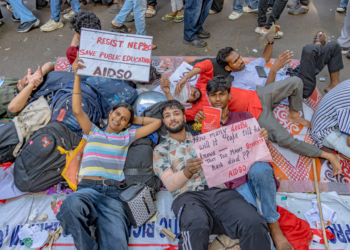
Maharashtra's new regulations for universities aim to prevent paper leaks and enhance student engagement through weekly meetings between vice-chancellors and students. This initiative reflects a broader trend in higher education governance focused on accountability and integrity.
Maharashtra, India — The state has introduced new regulations aimed at preventing paper leaks in universities while enhancing student engagement. The Higher Education Minister, Chandrakant Patil, has mandated that vice-chancellors (VCs) meet with students weekly to address their academic concerns. This initiative is part of a broader effort to improve governance and accountability in higher education.
The new rules require all public universities in Maharashtra to adopt a uniform academic calendar starting from the 2026-27 academic year. This move is intended to streamline operations across institutions and foster better collaboration among universities. Additionally, the government will issue guidelines that clearly delineate the responsibilities of university officials in preventing examination fraud.
Enhancing Accountability Through Weekly Meetings
The requirement for VCs to meet with students weekly is a significant step towards fostering a more inclusive academic environment. These meetings are designed to create a direct line of communication between university leadership and the student body. By engaging with at least 50 students each week, VCs will be better equipped to understand the challenges students face and respond to their needs.
This initiative reflects a growing recognition of the importance of student voices in university governance. Career Ahead’s analysis finds that such direct engagement can lead to more responsive policies and a more supportive learning environment. The emphasis on accountability may also encourage universities to prioritize student welfare and address issues more proactively. Furthermore, the weekly meetings are expected to serve as a platform for students to discuss not only academic concerns but also broader issues affecting their university experience, such as mental health resources and extracurricular activities.
Moreover, these weekly interactions can help build trust between students and administration, which is crucial in an educational setting. Students often feel disconnected from decision-making processes, and this new requirement aims to bridge that gap. By fostering an open dialogue, universities may see improved student satisfaction and retention rates. However, the success of this initiative will depend on how effectively VCs implement these meetings and the willingness of students to participate actively. If these sessions are treated merely as formalities, the intended benefits may not materialize. Therefore, it will be essential for universities to create a culture that encourages genuine interaction and values student feedback.
Moreover, these weekly interactions can help build trust between students and administration, which is crucial in an educational setting.
Stricter Regulations on Examination Integrity
In addition to enhancing student engagement, the new regulations focus heavily on examination integrity. The Maharashtra government has outlined plans to establish Standard Operating Procedures (SOPs) to prevent question paper leaks. These SOPs will be modeled after guidelines used by the central government, ensuring a robust framework for maintaining examination security. As reported by Deccan Chronicle, these measures are part of a concerted effort to eliminate the rampant issue of examination fraud that has plagued many institutions in the state.
Career Ahead’s research indicates that the introduction of these SOPs is a critical step in addressing the long-standing issue of exam fraud that has plagued many institutions. By assigning clear responsibilities to university officials, the government aims to create a culture of accountability among staff members. This could deter potential misconduct and ensure that examinations are conducted fairly. Furthermore, the regulations will require universities to report any incidents of paper leaks and the measures taken to address them. This transparency is expected to enhance trust in the examination process and reassure students and parents about the integrity of their qualifications. Such measures are vital in an era where the credibility of educational institutions is increasingly scrutinized.
However, implementing these measures will require significant effort and resources from universities. Institutions must invest in training staff and developing systems to monitor compliance with the new regulations. Failure to do so could lead to continued issues with examination integrity, undermining the objectives of the new policies. As highlighted in a report by Sproutsnews, the government’s push for stricter regulations is not just about compliance; it’s about fostering a culture of integrity that can restore faith in the educational system.
As universities adapt to these changes, they may also need to consider how to balance strict regulations with the need for a supportive learning environment. Overly punitive measures could create an atmosphere of distrust, which may negatively impact student morale. The evolving landscape of higher education in Maharashtra presents both challenges and opportunities. As universities navigate these new regulations, they will need to remain agile and responsive to the needs of their students and the demands of the government.
The future of higher education in Maharashtra hinges on the successful implementation of these new regulations. Will universities rise to the challenge and create a more transparent and accountable educational environment? Or will they struggle to adapt to these changes, potentially undermining the progress that has been made? The ongoing dialogue between students and administration, coupled with a commitment to integrity in examination processes, will be crucial in shaping the future of education in the state.
Maharashtra's Higher and Technical Education Minister, Chandrakant Patil, has announced new standard operating procedures (SOPs) to prevent exam paper leaks at public universities, following protests…
The future of higher education in Maharashtra hinges on the successful implementation of these new regulations.
Frequently Asked Questions
What are the new rules for university administrators in Maharashtra?
The new rules require university vice-chancellors to meet with students weekly to address their concerns. Additionally, universities must implement Standard Operating Procedures to prevent examination fraud and ensure a uniform academic calendar.
How will the changes affect students in Maharashtra universities?
The changes aim to enhance student engagement and improve examination integrity. Students will have more opportunities to voice their concerns directly to university leadership, potentially leading to a more supportive academic environment.
What should university administrators do to comply with the new regulations?
University administrators need to establish clear communication channels with students and implement the required SOPs for preventing paper leaks. They should also prepare for a uniform academic calendar and ensure that all staff understand their responsibilities in maintaining examination integrity.




Education & University Insights

 Education & University Insights