No products in the cart.

Legal Battle Over In-State Tuition for Undocumented Students
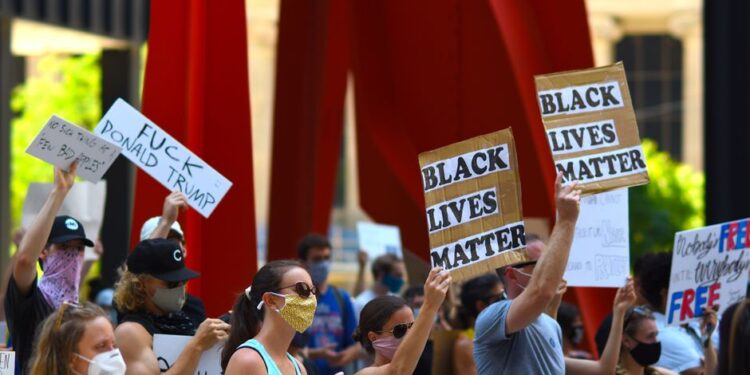
Former President Donald Trump's lawsuit against states permitting in-state tuition for undocumented students could significantly alter educational access and funding across the nation, affecting enrollment rates and state budgets.

New York, USA — Former President Donald Trump has initiated a lawsuit against New York and several other states, contesting their policies that allow undocumented students to access in-state tuition rates. This legal action, announced on August 11, 2026, has the potential to reshape how undocumented students afford higher education across the United States.
The lawsuit specifically targets state policies in New York, Connecticut, and Vermont, which have established in-state tuition rates for undocumented students. Trump’s administration argues that these policies violate federal law and adversely affect state funding for higher education. The outcome of this lawsuit could significantly alter how states manage tuition for undocumented students, potentially making college less affordable for them.
Legal Challenges to State Tuition Policies
The legal issues surrounding in-state tuition for undocumented students have been a contentious topic for years. Many states, including New York, permit these students to pay the same tuition rates as their peers, irrespective of their immigration status. However, Trump’s lawsuit challenges these laws, asserting that they conflict with federal immigration policies. According to reports, the administration contends that allowing undocumented students to receive in-state tuition rates contravenes federal law, which could set a troubling precedent for similar policies nationwide.
Experts suggest that the lawsuit could significantly influence how states structure their educational funding. If the court rules in favor of Trump, states may be compelled to reevaluate their tuition policies for undocumented students, potentially leading to increased tuition costs and decreased enrollment rates. Undocumented students already face numerous barriers to higher education, and states like Connecticut and Vermont, which also offer in-state tuition for these individuals, may feel pressured to amend their laws in light of this lawsuit.
Potential Effects on Enrollment and State Budgets
The ramifications of Trump’s lawsuit could drastically impact enrollment rates for undocumented students. Many of these students rely on in-state tuition to access higher education. If tuition costs rise, they may opt not to pursue college altogether. Data from the National Association of Student Financial Aid Administrators indicates that undocumented students encounter significant financial hurdles that make higher education challenging to attain. Should in-state tuition policies be overturned, the financial burden on these students could escalate, leading to lower enrollment rates at public colleges and universities.
Undocumented students already face numerous barriers to higher education, and states like Connecticut and Vermont, which also offer in-state tuition for these individuals, may feel pressured to amend their laws in light of this lawsuit.
States like New York, Connecticut, and Vermont could face a dual challenge: reduced enrollment from undocumented students and potential backlash from other student groups experiencing budget cuts. If institutions lose funding, they may be forced to raise tuition for all students, exacerbating financial difficulties for many families. The ripple effect of these changes could be substantial. As reported by CNBC, states that have historically supported undocumented students may find themselves in a precarious financial position, necessitating difficult decisions regarding resource allocation and funding priorities.
Long-Term Economic Implications
Undocumented students contribute significantly to various sectors of the workforce. Their absence from higher education could have long-lasting economic consequences. The skills and talents of these students are vital to local economies, and a decline in their educational attainment could hinder future workforce development. As the economy increasingly relies on a well-educated workforce, the loss of these students could impede growth across multiple industries, including technology and healthcare.
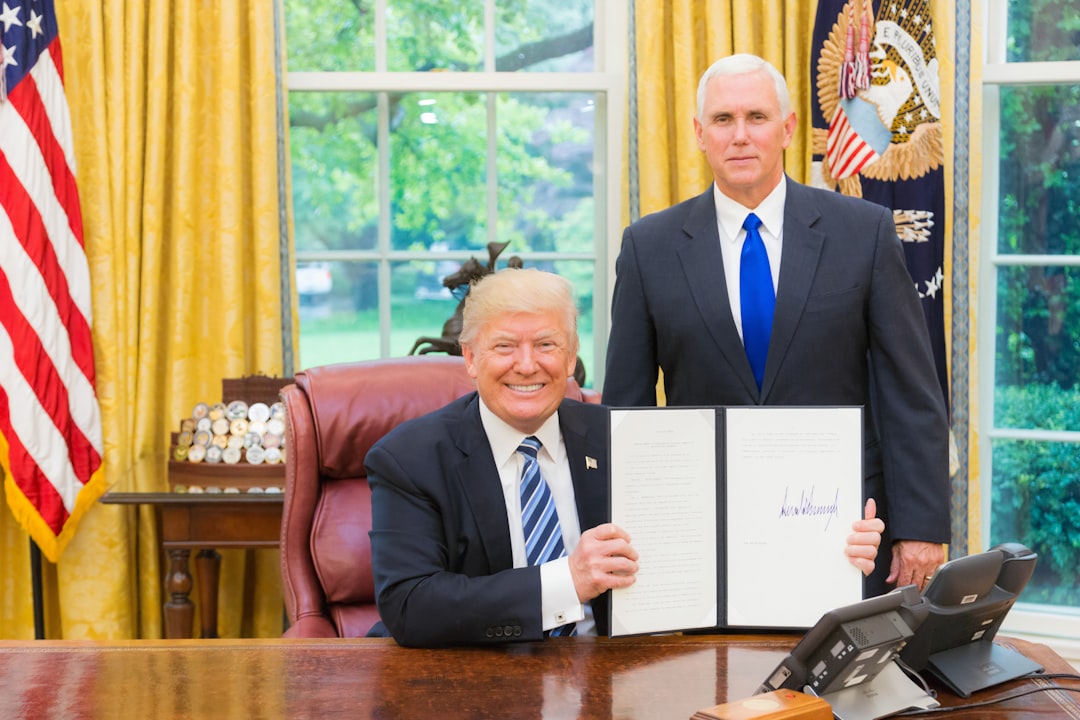
As state budgets potentially face shortfalls due to changing enrollment patterns, policymakers will need to balance educational funding with legal pressures. This situation could ignite intense debates about the future of education finance in states that have historically supported undocumented students. The outcome of the lawsuit may redefine educational access for undocumented students and reshape the broader conversation surrounding immigration and education policy in the United States.
Monitoring Developments in Higher Education
As the lawsuit progresses, higher education institutions must prepare for possible changes in funding and enrollment. Colleges and universities may need to adjust their financial aid and recruitment strategies to accommodate shifts in student demographics resulting from the lawsuit. The National Association of Student Financial Aid Administrators emphasizes that undocumented students often depend on in-state tuition to make college financially viable. Any alterations to these policies could severely impact their ability to pursue higher education.
In the coming months, stakeholders in higher education should closely monitor developments related to this case. The implications of this lawsuit could redefine how states approach educational access for undocumented students, reshaping the future of higher education funding and policy across the nation.
This situation could ignite intense debates about the future of education finance in states that have historically supported undocumented students.
Frequently Asked Questions
What are the implications of the lawsuit for undocumented college students in New York?
The lawsuit could significantly impact undocumented college students in New York by increasing their tuition costs. If the court rules in favor of Trump, these students may lose access to in-state tuition rates, making college less affordable.
How might this affect higher education funding in Connecticut?
Higher education funding in Connecticut could suffer if the lawsuit succeeds. The state may face budget constraints as enrollment decreases among undocumented students, leading to potential cuts in funding for public colleges and universities.
What should higher education administrators do in response to the lawsuit?
Higher education administrators should prepare for possible changes in enrollment patterns and funding. They may need to adjust financial aid offerings and recruitment strategies to accommodate shifts in student demographics due to the lawsuit.
Written by Career Ahead AI. AI can make mistakes, so verify key facts. Report errors to support@careeraheadonline.com.