No products in the cart.

China Thaw Could Give Indian Manufacturing a Boost, Oxford Says
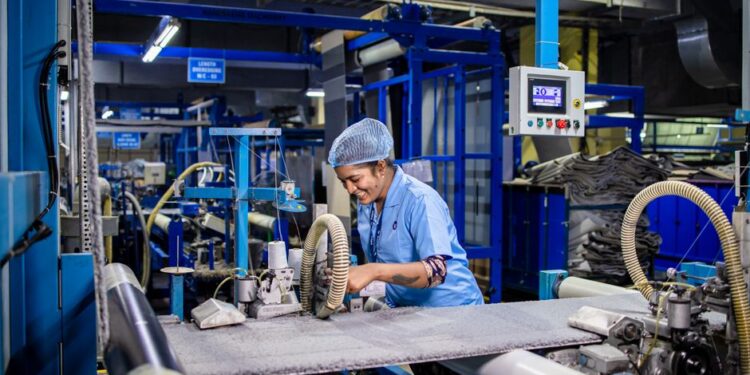
The shift in relations comes at a crucial time when many companies are looking to diversify their supply chains away from China.

India’s manufacturing sector stands on the brink of significant transformation as relations with China show signs of improvement. A recent analysis from Oxford Economics indicates that this thaw could lead to increased foreign investment in Indian manufacturing, reshaping supply chain dynamics across the region. As global companies reconsider their supply chains, Indian manufacturers are positioned to attract new business and technological advancements.
The shift in relations comes at a crucial time when many companies are looking to diversify their supply chains away from China. The ongoing geopolitical tensions between the US and China have prompted firms to seek alternatives, and India is emerging as a viable option. This situation presents a unique opportunity for Indian manufacturers to enhance their competitiveness on the global stage.
Increased Foreign Investment in Indian Manufacturing
With the easing of tensions between India and China, foreign investors are increasingly looking towards India as a manufacturing hub. According to Oxford Economics, the potential for growth in this sector is substantial, with projections indicating a rise in foreign direct investment (FDI) aimed at Indian manufacturing facilities. This influx of capital can lead to the establishment of new factories, creating jobs and stimulating local economies.
Furthermore, the Indian government has implemented several initiatives to attract foreign investment, including the Make in India campaign. These efforts aim to simplify regulations and provide incentives for foreign companies to set up operations in India. As a result, companies that were previously hesitant to invest in India due to political uncertainties may now view the country as a stable and promising environment for their operations.
Career Ahead’s analysis shows that sectors such as electronics, automotive, and textiles are likely to benefit the most from this investment surge. For instance, companies like Amber Group India are already expanding their operations in response to the anticipated increase in demand. This trend not only enhances India’s manufacturing capabilities but also boosts its position in the global supply chain. According to a report from Business Today, India’s ambition to become a $5 trillion economy heavily relies on the growth of its manufacturing sector, which is expected to play a pivotal role in urbanization and research and development.
According to a report from Business Today, India’s ambition to become a $5 trillion economy heavily relies on the growth of its manufacturing sector, which is expected to play a pivotal role in urbanization and research and development.
You may also like
 Industry & Global Trends
The Impact of New Leadership on Warner Studios’ Production Plans
The recent leadership change at Warner Studios, involving the integration of Paramount executives, is set to reshape production strategies and project approvals, signaling a shift…
Read More →Moreover, as foreign companies establish a presence in India, they often bring advanced technologies and practices that can elevate local manufacturing standards. This technology transfer can help Indian firms improve efficiency and product quality, further enhancing their competitiveness in the global market. The collaboration between local firms and foreign investors can also lead to the development of innovative products tailored to meet both domestic and international demands.
Shifts in Supply Chain Dynamics Favoring Indian Firms
The evolving landscape of global supply chains is increasingly favoring Indian manufacturers. As companies worldwide reevaluate their supply chains, many are moving away from a heavy reliance on China. This shift is driven by a desire to mitigate risks associated with geopolitical tensions and supply chain disruptions experienced during the COVID-19 pandemic.
India’s strategic location and its growing infrastructure capabilities make it an attractive alternative for companies looking to diversify their supply chains. The government’s investment in infrastructure, such as ports, roads, and logistics facilities, enhances the efficiency of moving goods within and outside the country. This improved infrastructure is essential for manufacturers who need to ensure timely delivery and cost-effective operations. According to Oxford Economics, the potential for Indian manufacturing to capitalize on US-China tensions is significant, as firms seek to establish more resilient supply chains.
Career Ahead research identifies that Indian manufacturers can capitalize on this shift by focusing on sectors where they have a competitive advantage. For example, India is already a leader in pharmaceuticals and textiles, and with the right investments, it could expand its influence in other sectors like electronics and automotive parts. Companies that can adapt quickly to these changing dynamics will likely see significant growth in the coming years.

Career Ahead research identifies that Indian manufacturers can capitalize on this shift by focusing on sectors where they have a competitive advantage.
Additionally, companies that establish strong partnerships with local suppliers and leverage India’s vast workforce can create a more resilient supply chain. This local sourcing strategy not only reduces costs but also aligns with the growing consumer preference for sustainable and locally sourced products. As Indian firms become more integrated into global supply chains, they will need to enhance their technological capabilities to remain competitive. This includes investing in automation, data analytics, and other advanced manufacturing technologies that can streamline operations and improve product quality.
The thaw in relations with China also opens the door for potential technology transfer to Indian manufacturers. As Chinese companies look to expand their operations internationally, they may seek partnerships with Indian firms to leverage local market knowledge and resources. This collaboration can lead to the sharing of technology and best practices that can enhance India’s manufacturing capabilities. Career Ahead analysis finds that such technology transfers can significantly boost productivity in the Indian manufacturing sector. By adopting advanced technologies, Indian manufacturers can reduce production costs and improve efficiency, making them more competitive on the global stage.
You may also like
 Industry & Global Trends
What is happening to the Indian IT bench? | Explained
The tightening of bench policies in India's IT sector reflects a significant transformation in workforce management, impacting job security and project allocation.
Read More →Moreover, technology transfer can also lead to the development of a skilled workforce in India. As Indian manufacturers adopt new technologies, there will be a growing demand for skilled workers who can operate and maintain these systems. This shift presents an opportunity for educational institutions and training programs to align their curricula with industry needs, ensuring that the workforce is equipped with the necessary skills.
Ultimately, the combination of increased foreign investment, favorable supply chain dynamics, and technology transfer can position Indian manufacturers for significant growth in the coming years. However, it will require strategic planning and adaptation to fully capitalize on these opportunities. The future looks promising for Indian manufacturing as the thaw in relations with China unfolds. As global companies continue to reassess their supply chains, Indian manufacturers must remain agile and ready to seize the opportunities that arise. Will India emerge as a leading manufacturing hub in the next decade? Only time will tell.
Frequently Asked Questions
What strategies should manufacturing executives in India adopt to benefit from the China thaw?
Manufacturing executives should focus on enhancing their technological capabilities and establishing partnerships with foreign firms to leverage new opportunities. Investing in advanced manufacturing technologies and local sourcing strategies will also be crucial for staying competitive.
Supply chain managers will need to adapt to new sourcing strategies and strengthen local supplier networks.
How will changes in supply chain dynamics affect supply chain managers in India?
Supply chain managers will need to adapt to new sourcing strategies and strengthen local supplier networks. As companies diversify their supply chains away from China, Indian managers must ensure efficiency and reliability in logistics and operations.

What should manufacturing executives do about potential foreign investments from China?
Manufacturing executives should actively seek partnerships with Chinese firms looking to invest in India. By collaborating with these companies, they can gain access to advanced technologies and best practices that can enhance their operations.
You may also like
 Industry & Global Trends
German Economy Might Grow 1% This Year, Bundesbank Chief Says
Understanding this growth projection is essential for those monitoring economic trends and investment opportunities. The anticipated growth is expected to be supported by a rebound…
Read More →