No products in the cart.

China’s Court Protects Workers

A landmark ruling in China prohibits companies from laying off workers solely to replace them with AI. This decision reflects the balancing act between innovation and job security.

Beijing, China — A significant ruling from a Chinese court has declared that companies cannot terminate employees simply to replace them with artificial intelligence (AI) systems. This decision comes as the nation grapples with the implications of rapid technological advancement while aiming to stabilize its labor market. The ruling is a pivotal moment in the ongoing discourse about AI’s role in the workforce and its impact on employment.
The court’s decision was influenced by the need to protect jobs amid a global push for AI integration in various sectors. According to reports from www.bing.com, the ruling reflects China’s commitment to balancing innovation with job security. The court emphasized that while AI can enhance productivity, it should not come at the cost of workers’ livelihoods.
As AI technology continues to evolve, companies are increasingly tempted to replace human workers with automated systems. However, this ruling sets a precedent that could shift how businesses approach AI implementation. Firms must now consider the legal ramifications of layoffs linked to technological advancements, a factor that could reshape their operational strategies.
Legal Protections for Workers
The ruling by the Chinese court is grounded in existing labor laws that protect employees from unjust termination. According to english.court.gov.cn, the court underscored the importance of adhering to these laws, especially as the workforce faces unprecedented changes due to AI. The decision reinforces the idea that technological progress should not infringe upon workers’ rights.
This legal framework is essential as it provides a safety net for employees who might otherwise be vulnerable to the whims of corporate decision-making. The court’s ruling sends a clear message that companies must justify layoffs with valid reasons beyond mere technological efficiency. This requirement could lead to more transparent decision-making processes within organizations.
As companies navigate these new legal waters, they may need to invest more in training and reskilling their workforce to align with technological advancements, rather than opting for layoffs.
You may also like
 AI & Technology
AI Safety Must Match Rapid Capability Growth
OpenAI CEO Sam Altman emphasizes the urgent need for evolving safety measures in AI development as capabilities expand, highlighting the importance of aligning AI systems…
Read More →Furthermore, the ruling may prompt a reevaluation of the relationship between technology and labor in China. As companies navigate these new legal waters, they may need to invest more in training and reskilling their workforce to align with technological advancements, rather than opting for layoffs.
Impact on Employment Practices
The implications of this ruling extend far beyond legal boundaries; they touch on the very fabric of the labor market in China. With the country facing a potential rise in unemployment due to AI integration, this ruling serves as a protective measure for workers. It emphasizes the importance of maintaining a stable job market while embracing technological innovation.
As companies are forced to rethink their strategies, there may be a shift toward more sustainable practices that prioritize employee retention. This could lead to a new model where businesses are encouraged to innovate while also investing in their human capital. The ruling may foster a culture of collaboration between technology and labor, rather than competition.
Moreover, the ruling could inspire similar legal frameworks in other countries grappling with the challenges posed by AI. As nations around the world consider the implications of AI on employment, China’s approach may serve as a model for balancing technological advancement with workforce protection.
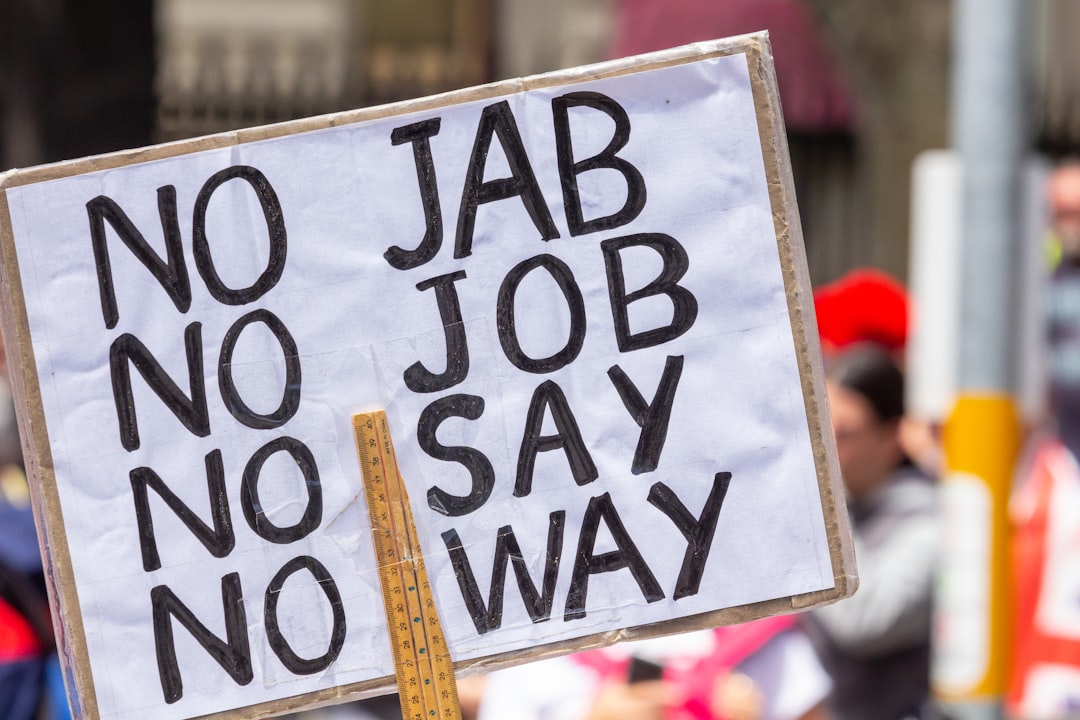
Moreover, the ruling could inspire similar legal frameworks in other countries grappling with the challenges posed by AI.
Global Perspectives on AI and Labor
In the global landscape, many countries are still debating how to regulate AI’s impact on employment. While some nations have adopted a more laissez-faire approach, China’s ruling indicates a proactive stance on labor rights. This could position China as a leader in establishing a legal framework that prioritizes job security in the face of technological change.
You may also like
 AI & Technology
Data‑Driven Raise Negotiations Redefine Career Capital
Aiming for a 6%–17% increase positions the request well above the 3.1% average merit increase.
Read More →Countries like the United States and members of the European Union are also grappling with similar issues. The U.S. has seen calls for regulations on AI, particularly concerning its impact on jobs. However, without clear legal precedents like China’s ruling, companies may continue to navigate these waters without accountability.
China’s decision could prompt a reevaluation of labor laws worldwide, encouraging other governments to consider similar protections for workers. As AI technology advances, the need for a balanced approach becomes increasingly critical. This ruling may serve as a catalyst for global discussions on labor rights in the age of AI.
Corporate Adaptation and Responsibility
With this ruling, companies in China must now reassess their corporate responsibilities regarding AI implementation. The expectation is clear: businesses should prioritize employee welfare alongside technological advancement. As firms adapt to these requirements, they may need to invest in new training programs and technologies that complement rather than replace the workforce.
Companies may explore hybrid models that leverage both AI and human skills, creating a more resilient workforce.
This adaptation could lead to innovative solutions that enhance productivity while retaining human workers. Companies may explore hybrid models that leverage both AI and human skills, creating a more resilient workforce. Such models could not only comply with legal standards but also drive competitive advantages in the market.
Moreover, firms may need to engage in more transparent communication with their employees regarding the integration of AI. By fostering an environment of collaboration and trust, companies can mitigate fears related to job security while promoting a culture of innovation.
You may also like
 AI & Technology
This startup is issuing AI-generated acne prescriptions
Nolla Health's AI system analyzes acne severity and autonomously writes prescriptions for treatments. This pilot program costs $4.99 per month and is available to Utah…
Read More →