No products in the cart.

Economic Strain and AI Transform Family Roles | Career Outlook

Explore the significant transformations in family roles driven by economic pressures and the rise of AI, highlighting the evolving dynamics and challenges faced by modern families.

Shifting Foundations of Family Dynamics
In an era marked by economic uncertainty and rapid technological advancement, family roles are undergoing significant transformation. The convergence of rising living costs and the pervasive influence of artificial intelligence (AI) is reshaping how families function. As traditional roles evolve, the fabric of family life is being redefined, leading to profound implications for both personal and professional realms.
Economic pressures such as inflation and childcare costs are not merely financial burdens; they are catalysts for changing family dynamics. Families are increasingly facing the reality that dual-income households may be necessary for financial stability. This shift is particularly impactful for working mothers, who often juggle professional responsibilities and domestic duties in a landscape that demands more of their time and resources.
Furthermore, the integration of AI into the workforce is altering job availability and skill requirements, compounding the challenges families face. As automation replaces certain jobs, it is essential for family members to adapt and acquire new skills to remain competitive. This necessity for continuous learning can strain family relationships, as individuals navigate the demands of upskilling while managing household responsibilities.
The changing nature of work itself is also influencing family roles. Many families now find themselves in a position where flexible work arrangements are not just beneficial but essential. The need for adaptability in work schedules can lead to conflicts and adjustments in how family members interact and support each other.
Economic Pressures and Their Impact on Family Roles
The rising cost of living is forcing families to rethink their traditional roles. Economic strain is leading to shifts in responsibilities within households. In many cases, this means that both partners must contribute financially to maintain their standard of living. The traditional role of a stay-at-home parent is becoming less common as families respond to economic realities.
This economic necessity is not just about finances; it also challenges conventional gender roles. Women, particularly mothers, are increasingly taking on dual roles as both caregivers and breadwinners. This shift can lead to increased stress and burnout, as the expectations placed on them continue to rise. The balancing act of managing a career while ensuring a nurturing home environment often proves to be a formidable challenge.
The balancing act of managing a career while ensuring a nurturing home environment often proves to be a formidable challenge.
Moreover, the economic strain can exacerbate existing inequalities within families. If one partner earns significantly more, they may inadvertently assume more control over financial decisions, leading to potential power imbalances. This shift can strain relationships, as partners may feel undervalued or overshadowed in their contributions to the household.
You may also like
 Entrepreneurship & Business
Investors Question Musk’s Space Ambitions Amid Financial Woes
Investor sentiment is shifting, with growing doubts about Elon Musk's ambitious plans for SpaceX. As financial concerns escalate, the implications for tech startups and entrepreneurs…
Read More →As families navigate these economic realities, they must also contend with the emotional toll of financial stress. Increased anxiety about job security and financial stability can lead to conflicts and dissatisfaction within the family unit. The need for open communication and shared responsibility becomes paramount as families work to mitigate these pressures.
AI’s Role in Reshaping Work and Family Dynamics
AI is not just transforming industries; it is also redefining family dynamics by altering the nature of work. Automation and AI-driven technologies are changing job landscapes, leading to a need for new skills and adaptability. As automation takes over routine tasks, the workforce must pivot towards more complex roles that require critical thinking and creativity.
This shift impacts families directly, as parents must prepare their children for a future where traditional jobs may no longer exist. The emphasis on STEM education and digital literacy has never been greater. Families are now tasked with fostering skills that will be relevant in an AI-driven economy, which adds another layer of responsibility to their roles.
Moreover, the integration of AI in the workplace can create disparities in job security. Those who can adapt to new technologies will thrive, while others may find themselves displaced. This dynamic can lead to tension within families, especially if one partner faces job loss or instability due to automation. The emotional and financial repercussions of such changes are significant and can affect family cohesion.
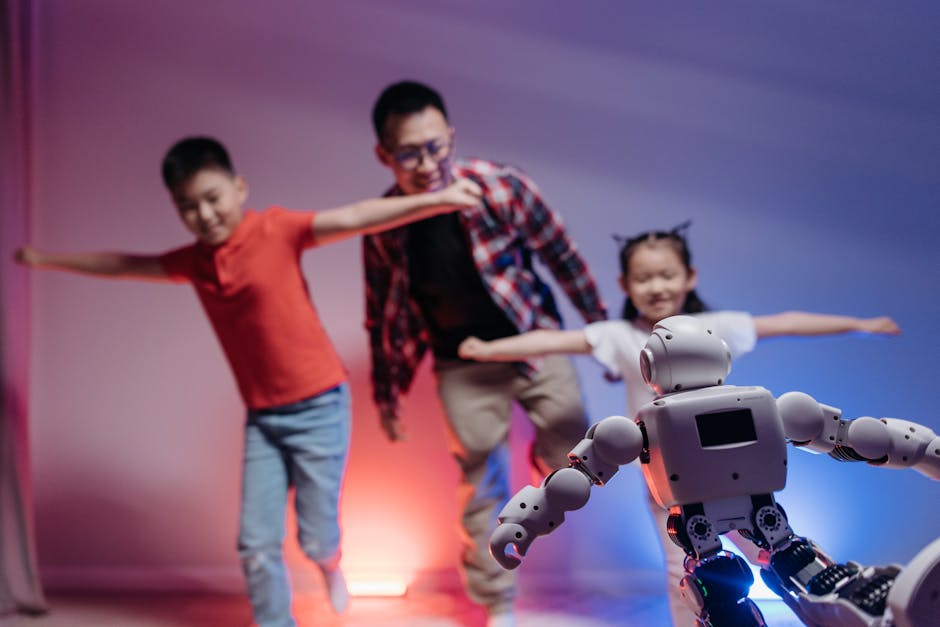
Moreover, the integration of AI in the workplace can create disparities in job security.
AI’s influence also extends to how families manage their daily lives. Smart home technologies can streamline household tasks, allowing for more efficient management of time and resources. However, this reliance on technology may also create new challenges, such as the need for constant connectivity and the potential for technology fatigue within family interactions.
Contradictions and Emerging Debates
The intersection of economic strain and AI raises several contradictions and debates regarding family roles and responsibilities. While some argue that AI will lead to more equitable distribution of household duties, others contend that it may exacerbate existing inequalities. For instance, the automation of household tasks could free up time for parents to engage more meaningfully with their children, but it could also reinforce traditional gender roles if one partner still bears the brunt of caregiving duties.
You may also like
 Entrepreneurship & Business
Founders’ Networks Unlock Startup Success Secrets
Repeat founders convert prior successes and failures into a powerful flywheel that boosts funding, execution speed, and market insight, reshaping the startup landscape.
Read More →Additionally, the debate over the impact of AI on job security remains unresolved. While AI creates new opportunities for innovation and efficiency, it also threatens to displace workers in traditional roles. The workforce must adapt rapidly to these changes, leading to anxiety about job stability and the future of work. Families must navigate these uncertainties while supporting each other through potential job transitions.
Furthermore, the societal implications of these shifts cannot be ignored. As families adapt to economic pressures and technological changes, they may need to redefine their values and priorities. The balance between work and family life may shift, leading to a reevaluation of what constitutes success and fulfillment in modern family structures.
These contradictions highlight the complexity of navigating family dynamics in a rapidly changing world. Families must engage in ongoing conversations about their roles and responsibilities, ensuring that everyone feels valued and supported as they adapt to new challenges.
Future Directions for Family Dynamics
As we look to the future, the evolution of family roles is likely to continue in response to economic and technological changes. The emphasis on adaptability and continuous learning will be crucial as families navigate a landscape shaped by AI and economic pressures. This may lead to more collaborative family structures, where responsibilities are shared more equitably among all members.
However, this flexibility must be balanced with the need for clear boundaries to prevent work from encroaching on family time.
The potential for remote work and flexible schedules can also reshape family interactions. As more companies embrace hybrid work models, families will have opportunities to spend more time together, fostering stronger bonds. However, this flexibility must be balanced with the need for clear boundaries to prevent work from encroaching on family time.

Moreover, as families become more aware of the importance of mental health, there may be a greater emphasis on work-life balance. Families will likely prioritize emotional well-being, recognizing that a supportive environment is essential for navigating the challenges posed by economic strain and technological disruption.
You may also like
 Entrepreneurship & Business
Exhibit at TechCrunch Disrupt 2026 to Boost Startup Visibility
TechCrunch Disrupt 2026, taking place from October 13-15, 2026, in San Francisco, offers startups a unique opportunity to gain visibility and connect with industry leaders…
Read More →Ultimately, the future of family roles will depend on how families adapt to these ongoing changes. By fostering open communication, embracing flexibility, and supporting one another, families can navigate the complexities of modern life while maintaining strong connections.