No products in the cart.

Chinese Firms Enter Indian Power Project Bidding
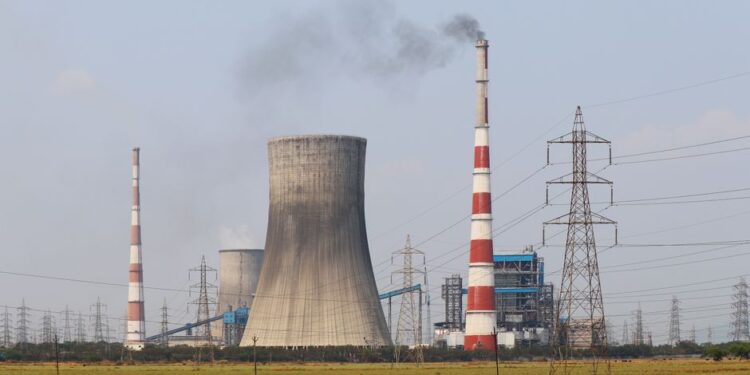
India has permitted four Chinese power equipment manufacturers to participate in government tenders, marking a significant shift in procurement strategy aimed at enhancing competition and innovation in the energy sector.

India has allowed four Chinese power equipment manufacturers to join government tenders for key power projects. The firms are TBEA Energy, Nanjing Electric India, New Northeast Electric India, and Taikai Electric (India). This decision came in a government order dated June 24, 2026. It is part of India’s plan to expand its power transmission network due to rising electricity demand and more renewable energy sources.
Government sources say this exemption will last for two years. It aims to boost competition in the procurement process. This decision follows increased scrutiny of Chinese firms after border tensions began in 2020. The Union Ministry of Power requested this exemption for companies with manufacturing units in India. This shows a shift toward a more open and competitive bidding environment.
Career Ahead’s analysis suggests this change could greatly affect procurement strategies in the energy sector. Allowing these firms to bid diversifies India’s supplier base. It may also lower costs through increased competition. This could lead to more innovative solutions and technologies entering the Indian market. According to a report by South China Morning Post, this decision represents a significant shift in India’s approach to foreign investment, especially after years of strict rules on Chinese entities.
Increased Competition for Government Contracts
Including Chinese-linked firms in government tenders is expected to increase competition among bidders. Historically, the Indian government has imposed strict rules on Chinese companies. They had to register with a government panel and secure political and security clearances before competing for state contracts. However, easing these restrictions could dramatically change the competitive landscape.
Specialists will need to reevaluate their vendor selection criteria and consider the advantages of working with these new players.
You may also like
 Industry & Global Trends
US Employers Cut Hiring, Wage Growth Stalls | Career Outlook
The implications of this hiring slowdown are profound. With fewer positions available, job seekers face increased competition for roles, while HR managers must rethink their…
Read More →As procurement specialists in the energy sector assess this new environment, they must adapt their strategies. The entry of established Chinese firms, known for advanced technology and competitive pricing, could disrupt current market dynamics. Specialists will need to reevaluate their vendor selection criteria and consider the advantages of working with these new players. This shift is crucial since, as reported by Reuters, the Indian government wants to strengthen its energy infrastructure to support economic growth and sustainability goals.
This increased competition may also lead to better pricing strategies for government contracts. With more bidders in the market, there is a greater chance of cost reductions. This could result in significant savings for public projects. Additionally, local firms may feel encouraged to innovate and improve their offerings to stay competitive. Career Ahead’s research shows that the presence of Chinese firms could motivate local manufacturers to enhance their capabilities. As competition rises, Indian companies may invest more in research and development to upgrade their technology and products. This could create a stronger and more competitive domestic power equipment market, ultimately benefiting consumers and the energy sector.
Impact on Pricing Strategies in Power Equipment Procurement
The entry of Chinese firms into the Indian market is likely to significantly impact pricing strategies in power equipment procurement. Historically, procurement specialists faced challenges in negotiating prices due to a limited number of suppliers. However, the addition of Chinese-linked firms is expected to change this landscape.
Career Ahead’s analysis suggests that procurement specialists should prepare for a shift in their negotiation tactics.
Chinese manufacturers can often offer competitive prices because of their production scale and established supply chains. This could lead to lower prices for power equipment, making it more affordable for government projects. Procurement specialists will need to use this new competition to negotiate better terms and secure favorable contracts. Moreover, as these firms introduce advanced technologies, procurement specialists may find opportunities for innovative solutions that were not previously available. This could include adopting smart grid technologies and renewable energy integration solutions, which are vital for India’s energy transition.
You may also like
 Industry & Global Trends
Triyoga’s Crisis: Unpaid Instructors, Financial Struggles
Triyoga, once a favorite among celebrities and fitness enthusiasts, faced significant financial challenges leading to its downfall. Instructors reported that they had not received their…
Read More →Career Ahead’s analysis suggests that procurement specialists should prepare for a shift in their negotiation tactics. They may need to take a more strategic approach, focusing on long-term partnerships rather than one-off contracts. Building relationships with these new suppliers could result in better service and tailored solutions for specific project needs. Collaborating with Chinese firms could also lead to joint ventures, enhancing technology transfer and capacity building in the Indian energy sector.
As India continues to expand its energy infrastructure, these partnerships could reshape the power sector. The potential for innovation and improved project execution may set new industry standards. With the recent easing of restrictions on Chinese-linked firms, the power sector in India stands at a crucial point. The coming months will show how these changes will affect competition, pricing strategies, and partnerships in the industry. Will this shift create a more dynamic and innovative energy market in India?
In conclusion, allowing Chinese firms to bid on Indian government projects marks a significant shift in India’s procurement strategy. It aims to balance national security concerns with economic growth and energy sustainability. As the market adjusts to these new dynamics, stakeholders must remain vigilant and adaptable to harness the benefits of increased competition and innovation in the energy sector.
Emphasizing collaboration and technology transfer can lead to more innovative solutions and successful project outcomes.
Frequently Asked Questions
What are the implications of Chinese firms bidding on Indian government projects for procurement specialists?
The inclusion of Chinese firms in Indian government projects may lead to more competition and lower prices for power equipment. Procurement specialists will need to adjust their strategies to take advantage of this new competitive landscape.
How can project managers prepare for increased competition in power sector contracts?
Project managers should stay updated on the changing market dynamics and be ready to adjust their project plans. Understanding the strengths of new competitors will be key to maintaining a competitive edge.

What strategies should procurement specialists adopt when working with international firms?
Procurement specialists should focus on building long-term relationships with international suppliers. Emphasizing collaboration and technology transfer can lead to more innovative solutions and successful project outcomes.
You may also like
 Industry & Global Trends
What is happening to the Indian IT bench? | Explained | Career Outlook
India's IT sector is undergoing significant changes in its bench policies, impacting job security and project allocation for IT professionals. Major firms are tightening their…
Read More →