No products in the cart.

Claire’s Shuts Remaining UK Stores, Over 1,000 Jobs Lost
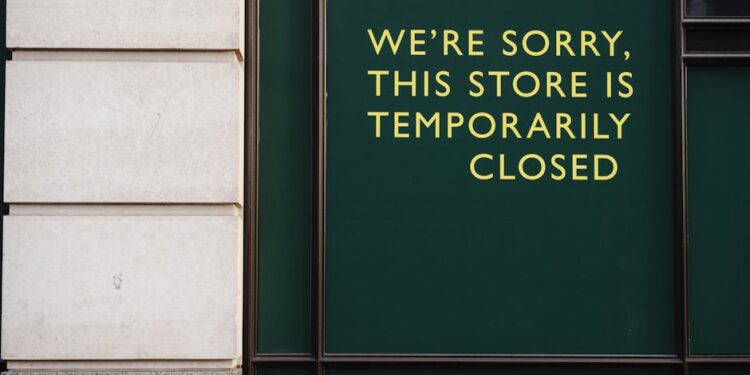
Claire’s, the popular jewellery and accessories retailer, is set to close its remaining UK stores on Tuesday, leading to the loss of over 1,000 jobs. This decision comes after the company faced severe financial difficulties, culminating in its collapse into administration earlier this year.

Claire’s Closure Marks End of an Era
Claire’s, the popular jewellery and accessories retailer, is set to close its remaining UK stores on Tuesday, resulting in the loss of over 1,000 jobs. This decision follows the company’s severe financial difficulties, culminating in its collapse into administration earlier this year. Administrators from Kroll confirmed that the remaining 154 stores would cease trading, marking the end of Claire’s presence on British high streets after nearly three decades.
The closures are attributed to a series of challenges, including intense competition from online retailers and changing consumer habits. Reports indicate that Claire’s had previously been rescued by Modella Capital, which saved around 1,300 jobs, but the financial strain proved insurmountable. All employees have been informed of their redundancy, leaving the brand’s future in the UK uncertain.
Consequences for Employees and Communities
The closure of Claire’s stores will have significant repercussions for its employees and the communities where these stores are located. With over 1,000 jobs lost, many individuals face an uncertain future in a job market already under strain. The retail sector has experienced considerable upheaval in recent years, and these job losses contribute to the growing list of casualties in the industry.
Local economies will also feel the impact of these closures. Retail stores like Claire’s not only provide jobs but also contribute to the vibrancy of shopping areas. The loss of such a well-known brand can lead to decreased foot traffic, affecting nearby businesses that rely on retail traffic for their survival. As shopping centers and high streets struggle to maintain their appeal, the closures of major retailers highlight the challenges faced by the brick-and-mortar retail sector.
With over 1,000 jobs lost, many individuals face an uncertain future in a job market already under strain.
Shifting Retail Landscape: Lessons Learned
The closure of Claire’s reflects a broader trend within the retail sector, where traditional retailers struggle to adapt to the digital age. Many companies have faced similar fates as consumer preferences shift towards online shopping. The pandemic accelerated this trend, leading to a permanent change in shopping behaviors. Claire’s failure to innovate and keep pace with these changes ultimately led to its downfall.
You may also like
 Entrepreneurship & Business
Škoda Auto India Aims for Record Sales Growth
Škoda Auto India is targeting an 8-10% growth in sales for the current year, aiming to achieve its highest-ever sales volume.
Read More →As more consumers turn to online platforms, traditional retailers must rethink their strategies. The rise of e-commerce giants has forced many brands to either adapt or face extinction. Claire’s inability to effectively compete in this environment serves as a cautionary tale for other retailers still relying on outdated business models. Social media platforms like TikTok have reshaped consumer engagement, making it essential for brands to leverage these channels to remain relevant.
Future Prospects for Claire’s Brand
While the UK stores are closing, the future of the Claire’s brand itself remains uncertain. Reports indicate ongoing discussions to find a new owner for the brand in the UK market. French entrepreneur Julien Jarjoura, who currently controls the brand in several European countries, is reportedly involved in these talks. However, the outcome is unclear, and it is uncertain whether the brand can successfully re-establish itself in the UK.
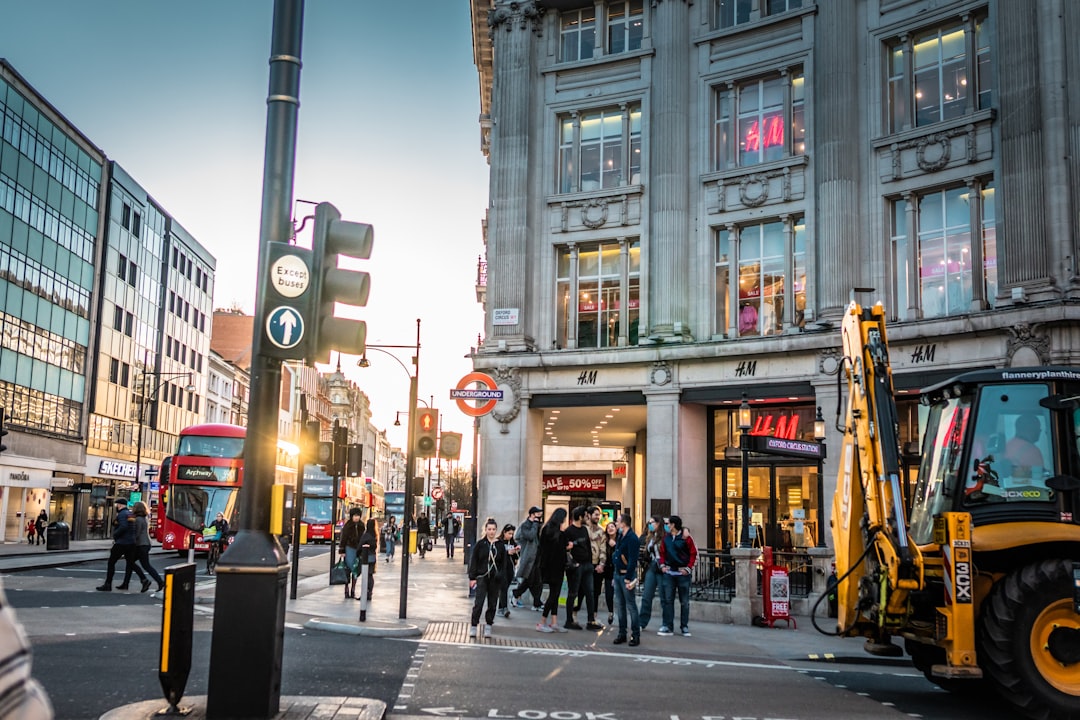
The potential for a revival hinges on several factors, including the ability to adapt to changing consumer preferences and the effectiveness of any new ownership structure. If a buyer emerges, they will need to implement strategies that resonate with a modern audience, focusing on both online and in-store experiences. Currently, the Claire’s website in the UK has been paused, and customers are unable to make purchases, raising questions about the brand’s ability to maintain relevance in a highly competitive market.
Claire’s inability to effectively compete in this environment serves as a cautionary tale for other retailers still relying on outdated business models.
Key Takeaways for Retailers
The downfall of Claire’s offers important lessons for the retail sector as a whole. It highlights the necessity for brands to remain agile and responsive to market trends. Retailers that ignore the shift towards e-commerce and fail to engage with their customers risk losing their market position. Claire’s experience should serve as a wake-up call for other retailers to prioritize innovation and adaptability.
Furthermore, the situation underscores the importance of financial health and strategic planning. Retailers must ensure they have robust financial strategies in place to weather economic downturns. The reliance on a single revenue stream or outdated business models can lead to vulnerability in times of crisis. Strong leadership and vision are also crucial; companies that successfully navigate the retail landscape often do so under the guidance of leaders who can foresee changes and drive necessary transformations.
You may also like
 Entrepreneurship & Business
Marico Boosts Plix Stake to 84.09%; Q2 Revenue Surge Ahead
Marico has increased its stake in Satiya Nutraceuticals to 84.09%, a strategic move expected to enhance revenue growth amid rising consumer demand for health-focused products.…
Read More →