No products in the cart.

Columbia University Expands Undergrad Enrollment Amid Faculty Concerns

Columbia University plans to increase undergraduate enrollment by 575 students over three years, despite faculty worries about resource strain and academic quality.

“`html
Columbia’s Expansion Plan: A New Era
Columbia university is moving forward with a phased increase in undergraduate enrollment, shifting from a stalled 20% growth proposal. This fall, the incoming class will include 125 more students, followed by 200 next year and 250 the year after. university leaders, including Acting President Claire Shipman, Provost Angela Olinto, and Executive Vice President for Arts and Sciences Amy Hungerford, describe this as a “modest stepped approach” to expand diversity while maintaining academic standards.
The expansion is part of a $1.2 billion investment plan that includes a new athletic complex, more residence halls, and enhanced student-service centers. Supporters believe these facilities will meet increased demand and improve campus life, helping Columbia compete with other institutions that have aggressively expanded. The administration aims to grow the physical campus alongside the student population to avoid the overcrowding issues seen at other elite universities.
Faculty Concerns: Resource Strain and Quality
Despite the optimistic plans, faculty and student leaders have raised concerns. At a recent Faculty of Arts and Sciences meeting, professors noted that the current budget is already stretched thin across departments and advising offices. They worry that adding more students will lead to larger class sizes, less mentorship, and increased workloads, especially as many departments face hiring freezes and retirements.
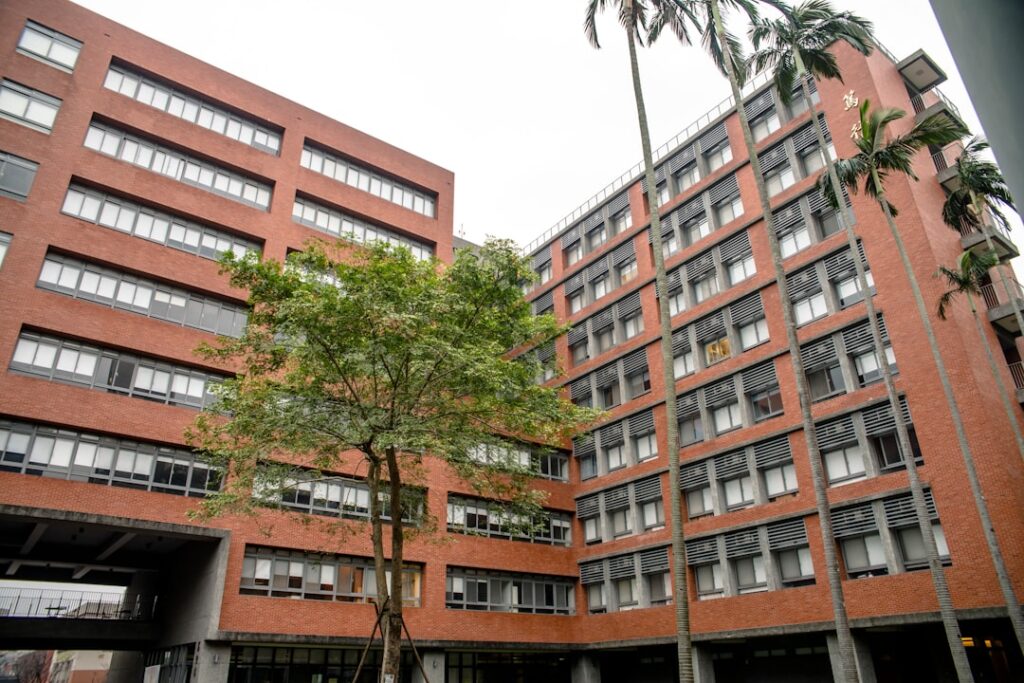
They worry that adding more students will lead to larger class sizes, less mentorship, and increased workloads, especially as many departments face hiring freezes and retirements.
Faculty surveys show many senior lecturers fear that larger cohorts may lead to more lecture-heavy teaching, undermining Columbia’s focus on small seminars. This shift could threaten job security, as increased teaching loads without new hires may limit tenure-track positions, prompting experienced faculty to seek opportunities elsewhere.
Student representatives share these concerns, noting that support services like career counseling and mental health resources are already at capacity. A larger student body without proportional staff increases could diminish the personalized support that defines the Columbia experience. Faculty worry that the administration’s focus on physical projects may overlook the importance of academic support.
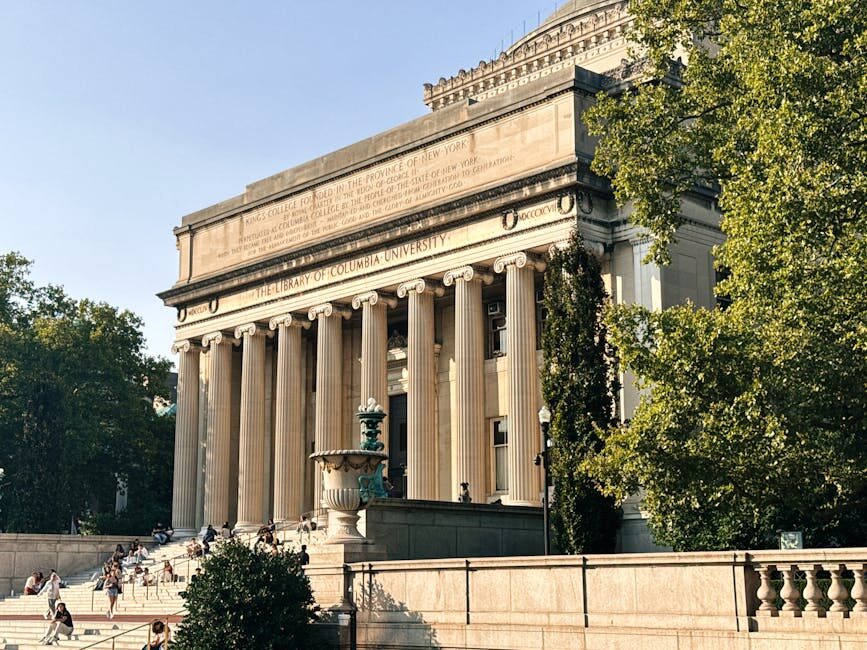
infrastructure Investments Amid Growth
The university’s capital plan includes a new athletic pavilion set to open in 2028, renovations to Butler Library, and a multi-purpose student center for counseling and health services. These projects will be funded through donor pledges, state-approved bonds, and a modest tuition increase for enhanced facilities.
Critics question whether these investments address the most urgent needs. While new facilities may attract athletes, the real issue remains the faculty-to-student ratios in key subjects like economics and science. Although the administration claims new facilities will create more instructional space, the construction timeline means classrooms will still face pressure during the initial enrollment increases.

You may also like
 Education & University Insights
Centre of Excellence for Classical Pali Launched
The Centre aims to enhance the study and preservation of the Pali language, focusing on its significance in Buddhist literature and philosophy.
Read More →infrastructure Investments Amid Growth The university’s capital plan includes a new athletic pavilion set to open in 2028, renovations to Butler Library, and a multi-purpose student center for counseling and health services.
In response to faculty concerns, the provost’s office announced plans to hire 30 new tenure-track faculty over the next three years, mainly in STEM fields with expected enrollment increases. However, this number is only a small fraction of the additional faculty needed for the projected 575-student increase. This gap highlights the challenge of balancing physical expansion with faculty growth.
Beyond the campus, a larger undergraduate body could enhance Columbia’s public policy impact and research collaborations. However, the tension between growth and resource management raises a critical question: can Columbia maintain its academic rigor while expanding?
As Columbia moves forward, the ongoing discussions among administrators, faculty, and students may influence other elite universities facing similar challenges. The decisions made now could shape Columbia’s future and the landscape of higher education amid financial pressures and calls for inclusivity.
“`