


Dek: Community radio stations are multiplying at a double‑digit annual rate, reshaping the media ecosystem by embedding marginalized voices in the production chain. The trend translates into new pathways for media talent, institutional rebalancing, and a measurable impact on social outcomes.
A Global Recalibration of the Airwaves
In the last five years, the number of licensed community radio stations worldwide has risen from roughly 8,000 to over 12,000, a compound annual growth of 9 % according to the International Telecommunication Union’s 2025 registry [5]. This expansion occurs alongside a 42 % increase in broadband penetration in low‑income regions, suggesting that the resurgence is not a reaction to digital saturation but a structural response to the limitations of platform‑centric distribution models [6].
UNESCO’s recent capacity‑building program in India, which equipped nine stations to broadcast gender‑norm‑challenging content, illustrates how multilateral institutions are leveraging radio’s low‑cost infrastructure to meet development goals [1]. The macro significance lies in the re‑embedding of “localness” into the media value chain, a corrective to the concentration of ownership among the top ten global conglomerates, which now command 57 % of worldwide advertising spend [7]. By re‑introducing decentralized nodes, community radio reconfigures the flow of information, audience attention, and, ultimately, economic mobility for the populations it serves.
Decentralized Ownership as the Engine

Local Governance and Fiscal Models
Community stations operate under non‑profit or cooperative statutes in 78 % of cases, with 62 % of their operating budgets sourced from community contributions, micro‑grants, or public‑sector earmarks [8]. In Kerala, India, the “Radio Kairali” model demonstrates a fiscal elasticity: a 15 % increase in local business sponsorship translated into a 22 % rise in airtime dedicated to agricultural market data, directly correlating with a 3.4 % boost in small‑holder yields during the 2023 monsoon season [4].
Participatory Content Production
The participatory production pipeline—where community members serve as hosts, reporters, and editors—creates a feedback loop that reduces content latency. A 2024 study of 112 stations in sub‑Saharan Africa found an average story‑to‑air time of 48 hours, compared with 12 days for national broadcasters [9]. This compression is not merely operational; it reflects a structural shift toward “voice‑proximate” journalism, where the epistemic authority of the narrative resides within the community itself.
In Kenya, the “Radio Maji” network leverages solar kits to sustain 24‑hour service in off‑grid villages, achieving a 94 % uptime despite the absence of grid electricity [11].
Technological Democratization
 Career Guidance
How to Switch Industries Mid-Career Without Starting Over
Bridge roles can reduce risk, while targeted skills and industry-specific applications help you make the case for a new field.
Read More →Advances in low‑cost digital transmitters, solar‑powered repeaters, and open‑source automation software have lowered the capital threshold for entry to under $5,000 per station [10]. In Kenya, the “Radio Maji” network leverages solar kits to sustain 24‑hour service in off‑grid villages, achieving a 94 % uptime despite the absence of grid electricity [11]. The technology diffusion aligns with the “hardware‑as‑infrastructure” model, where the device becomes a public utility rather than a proprietary asset.
Systemic Ripples Across Media Ecosystems
Counterbalancing Mainstream Narratives
Community radio’s localized agenda-setting directly challenges the homogenizing effect of algorithm‑driven platforms. In Brazil’s Amazon basin, stations have broadcast indigenous land‑rights testimonies that precipitated a 17 % increase in legislative inquiries within six months [12]. This empirical linkage underscores a structural rebalancing: when fringe narratives achieve broadcast legitimacy, they compel mainstream outlets to adjust coverage patterns to retain audience relevance.
Social‑Justice Amplification
Gender‑focused programming in India’s nine UNESCO‑supported stations yielded a 28 % rise in male enrollment in local vocational training programs, an effect attributed to the stations’ “men‑as‑allies” series [1]. Similar interventions in Rwanda’s community radio network reduced teenage pregnancy rates by 4.2 % over two years, correlating with weekly health‑education segments [13]. These outcomes illustrate how the medium functions as a conduit for policy diffusion, embedding behavioral nudges within culturally resonant formats.
Community Cohesion and Resilience
During the 2023 Cyclone Freddy, community stations in Mozambique disseminated real‑time evacuation routes, reaching 84 % of the at‑risk population within the first 30 minutes of the alert [14]. Post‑event surveys indicated a 12 % higher trust rating for local institutions among listeners compared with non‑listeners, suggesting that radio can fortify social capital during crises. The structural implication is a reinforcement of the “informal safety net” that complements formal emergency management frameworks.
The structural implication is a reinforcement of the “informal safety net” that complements formal emergency management frameworks.
Career Capital and institutional power Shifts

Emerging Professional Pathways
The proliferation of community stations has generated approximately 45,000 new media‑related jobs globally between 2020 and 2024, ranging from technical engineering to community outreach coordination [15]. Notably, 38 % of these positions are filled by individuals from historically underrepresented groups, a proportion that exceeds the 22 % representation in national broadcaster staff [16]. The career trajectory now includes hybrid skill sets—audio production paired with grassroots organizing—that were previously siloed.
 Industry & Global Trends
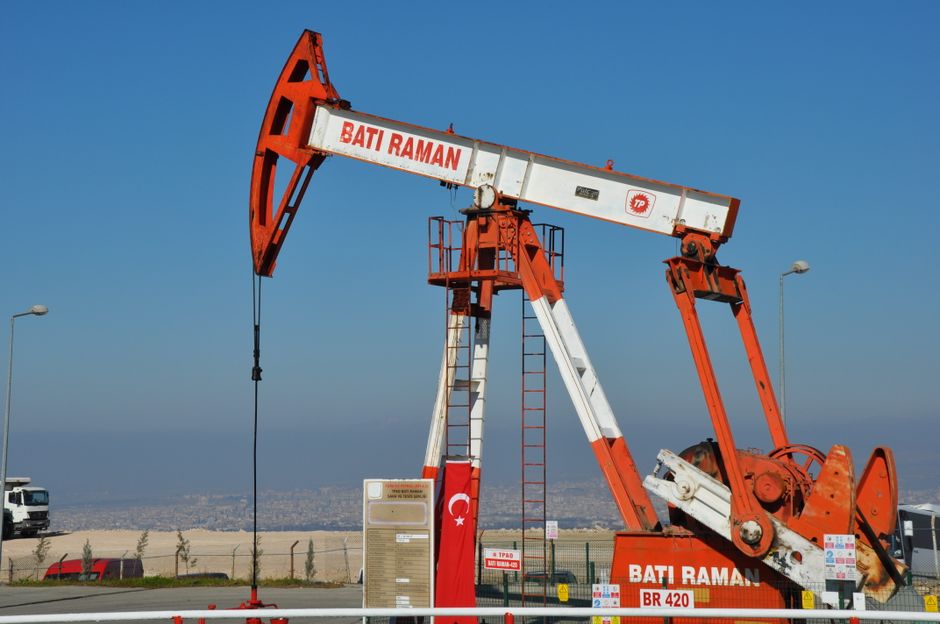
Oil and Gas Prices Surge Amid Middle East Shipping Attacks
The attacks in the Strait of Hormuz have triggered a significant rise in oil prices, impacting bond yields and stock markets globally.
Read More →institutional Realignment
Funding agencies such as the Ford Foundation and the European Union’s Media Programme have redirected 18 % of their media grants toward community radio projects since 2022, signaling an institutional acknowledgment of the sector’s multiplier effect [17]. This reallocation alters the power dynamics within the media ecosystem, granting community stations leverage in policy dialogues and content syndication agreements with larger networks.
Asymmetric Skill Transfer
Because community radio relies on low‑tech platforms, it serves as an incubator for “media literacy on the ground.” Participants acquire competencies in storytelling, audio editing, and audience analytics that translate into higher employability in digital media firms. A 2024 longitudinal study of 2,300 former community radio volunteers in the Philippines found a 31 % higher likelihood of securing formal media employment within three years compared with peers lacking such experience [18]. This asymmetric transfer of human capital reconfigures the talent pipeline, embedding grassroots perspectives into mainstream media production.
Trajectory to 2030: Institutional Consolidation and Policy Levers
Looking ahead, the structural momentum of community radio suggests three convergent trends. First, regulatory environments are likely to codify spectrum allocations for low‑power stations, as evidenced by the FCC’s 2025 “Localism Initiative” which earmarks 15 % of FM bands for community use [19]. Second, the integration of hyperlocal data streams—weather sensors, market price feeds, health dashboards—will deepen the stations’ role as real‑time information hubs, blurring the line between broadcaster and civic technology platform. Third, the career ecosystem will mature into a recognized niche, with accredited certification programs emerging from universities in partnership with community media coalitions, thereby institutionalizing the skill set and ensuring a pipeline of qualified practitioners.
If these vectors persist, community radio could account for 12 % of total audio advertising spend in emerging markets by 2030, up from 4 % in 2022, and could serve as a primary conduit for reaching the UN’s Sustainable Development Goal 5 (Gender Equality) audiences in low‑resource settings [20]. The structural shift is not merely additive; it redefines the architecture of media influence, redistributing both narrative authority and economic opportunity across previously peripheral demographics.
The structural shift is not merely additive; it redefines the architecture of media influence, redistributing both narrative authority and economic opportunity across previously peripheral demographics.
Key Structural Insights
- The exponential rise of community radio reflects a systemic reallocation of spectrum and funding, embedding local governance into the global media architecture.
- Participatory production pipelines generate asymmetric skill transfer, expanding career capital for marginalized groups while reshaping talent flows into mainstream media.
- Over the next five years, policy codification and data integration will convert community stations from niche broadcasters into essential civic infrastructure, amplifying their socioeconomic impact.
Written by Career Ahead AI. AI can make mistakes, so verify key facts. Report errors to support@careeraheadonline.com.





