No products in the cart.

Cornell President’s Car Hits Students Amid Gaza Tensions

A confrontation at Cornell University escalated when the president's car bumped into students protesting. This incident has sparked discussions about campus safety and leadership accountability.


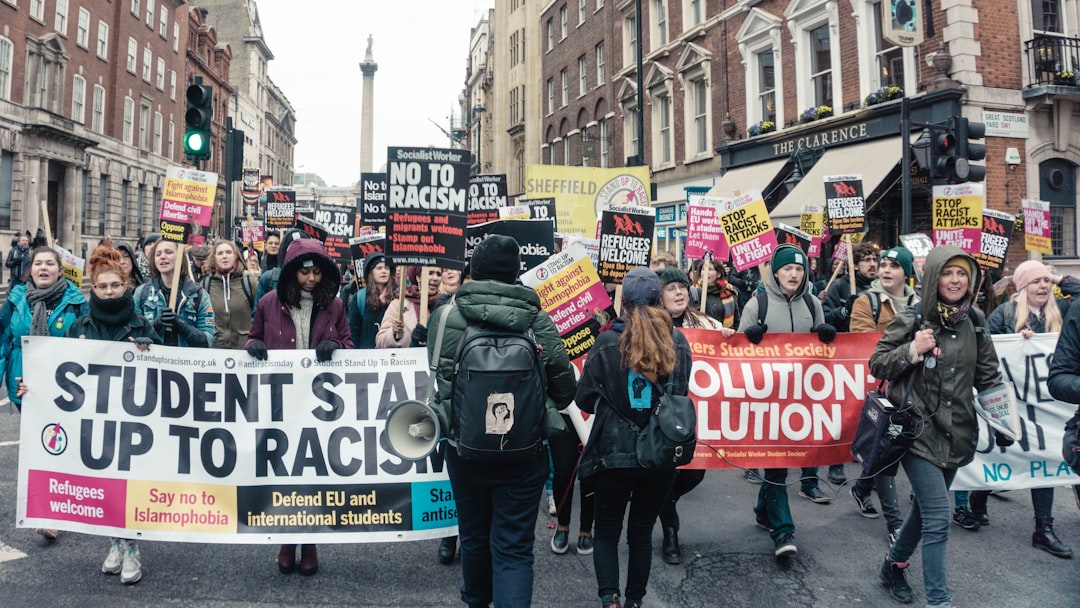
Ithaca, New York — A tense incident unfolded at Cornell University when President Martha Pollack’s vehicle reportedly bumped into students during a protest over the ongoing conflict in Gaza. The confrontation occurred after a heated debate on campus regarding the war, leading to significant backlash from the student body. This event has raised serious questions about campus safety and the responsibilities of university leadership in handling sensitive political issues.
According to reports, the students were protesting the university’s handling of the Gaza conflict when Pollack attempted to leave the scene. Witnesses stated that her vehicle reversed into a group of students, resulting in at least one student being struck. The incident was captured on video, which has since circulated widely on social media, intensifying the public outcry.
In response to the incident, Pollack expressed her concern for the students involved, claiming she was unaware of their presence behind her vehicle and did not intend to cause harm. However, the video footage has sparked debates about her accountability and the university’s overall approach to student protests.
Immediate Reactions and Student Protests
The immediate fallout from the incident has been significant. Students have organized further protests, demanding accountability from Pollack and calling for a review of campus safety protocols. Many students feel that the administration has failed to adequately support their right to protest. According to Ithaca Voice, the university’s response to the incident has been met with skepticism, as students question whether their safety is a priority for the administration.
This sentiment is echoed by various student organizations that have rallied around the cause, emphasizing the need for transparent communication from university officials. Additionally, the incident has prompted discussions about how universities manage political discourse on campus. The presence of police during protests has been a point of contention, with some students arguing that it stifles free speech and creates a hostile environment.
This sentiment is echoed by various student organizations that have rallied around the cause, emphasizing the need for transparent communication from university officials.
Context of Student Activism
You may also like
 Government & Policy
US jobs market sees sharp slowdown ahead of midterm elections
This slowdown is particularly relevant for HR managers in retail and tech recruitment, as they navigate a landscape where hiring is becoming increasingly cautious.
Read More →This incident is not isolated; it reflects a growing trend of student activism across U.S. universities, particularly regarding global issues. In recent years, campus protests have surged in response to various social and political issues, from climate change to racial injustice. The conflict in Gaza has become a focal point for many students, who feel compelled to voice their concerns about humanitarian issues and the university’s stance on international matters.
The incident at Cornell highlights the challenges universities face in balancing freedom of expression with campus safety. The administration’s handling of protests can significantly impact student morale and trust in leadership. As seen in this case, failure to adequately address student concerns may lead to further unrest and division within the campus community.
Community Reactions and Calls for Change
The incident has elicited a range of reactions from the Cornell community, including faculty, students, and alumni. Many faculty members have expressed concern over the implications of the incident for academic freedom and student rights. Some have called for a more robust dialogue between the administration and students to ensure that all voices are heard. According to WSKG, faculty members are advocating for a review of university policies concerning protests and campus safety, emphasizing the need for a supportive environment for student activism.
Alumni have also weighed in, with some expressing disappointment in the university’s response. They argue that the administration should prioritize student welfare and foster an environment where students can safely express their views. As alumni voice their concerns, the university may face pressure to take concrete steps to address the issues raised by the incident.
Legal Considerations and Policy Implications
The legal ramifications of the incident could also be significant, depending on how the university chooses to respond. If students decide to pursue legal action against the university or the president, it could lead to a lengthy and public legal battle. This scenario raises questions about liability and the responsibilities of university officials during protests. Legal experts suggest that universities must tread carefully in their responses to avoid setting precedents that could affect future interactions between students and administration.
Legal experts suggest that universities must tread carefully in their responses to avoid setting precedents that could affect future interactions between students and administration.
Moreover, this incident could prompt a reevaluation of policies surrounding campus protests nationwide. As universities grapple with maintaining order while respecting student rights, the Cornell incident may serve as a case study for other institutions facing similar challenges.
You may also like
 Government & Policy
US Rate Hike Bets Dwindle Amid Cooling Job Market
Weak job growth in September has led to a significant drop in expectations for a Federal Reserve interest rate hike this October, with analysts now…
Read More →Implications for University Leadership
As the dust settles, the incident will likely have lasting implications for leadership at Cornell and similar institutions. University presidents are often seen as the face of their institutions, and their actions can significantly influence campus culture. The backlash from this incident may lead to changes in how university leaders engage with students during politically charged situations. Pollack’s ability to navigate this crisis will be closely watched, as it could set a precedent for future interactions between students and administration.
In the wake of this incident, there may be calls for more comprehensive training for university leaders on handling protests and student activism. This could include workshops on communication strategies and conflict resolution to better equip leaders to engage with students during sensitive discussions.
This incident is a critical moment for student activism and university leadership. The outcome of this situation will resonate beyond Cornell, impacting how universities across the country approach student protests and campus safety. As students continue to advocate for their rights, university leaders must find a way to balance safety with the need for open dialogue. The actions taken in response to this incident could shape the future of campus culture and the relationship between students and administration.
This incident is a critical moment for student activism and university leadership.
As the community reflects on this incident, questions remain about accountability and the university’s commitment to student welfare. The path forward will require careful consideration of the needs and rights of students in an increasingly polarized environment.
With ongoing tensions surrounding global issues, how universities respond to student activism will be under scrutiny. The Cornell incident may serve as a pivotal moment, prompting other institutions to reevaluate their policies and practices regarding student protests and campus safety.
You may also like
 Government & Policy
Fed’s Logan Wants More Hikes, But Says Bond Moves Could Help
The Federal Reserve's proposed interest rate hikes could significantly impact bond markets, prompting traders to adjust their strategies accordingly.
Read More →