No products in the cart.

American Universities Face Decline in France Amid Trump Era
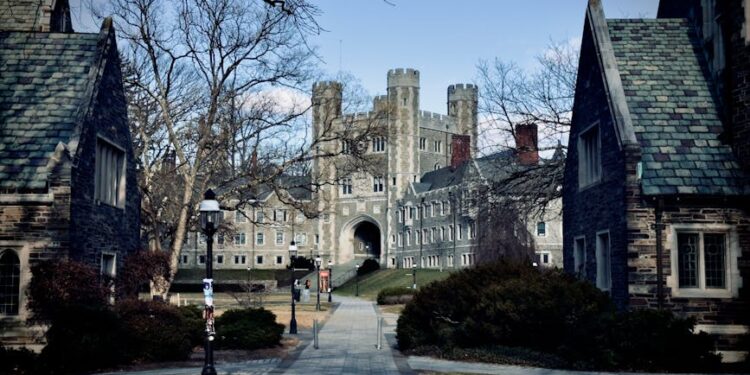
The allure of American universities in France is fading. Concerns over visas, safety, and academic freedom are pushing students toward local options.


France — American universities are witnessing a decline in popularity among students in France. Recent shifts in the political climate and concerns over safety and academic freedom have made local institutions more appealing. According to a report, worries about visas and the overall environment for international students are key factors driving this trend.
The Trump administration’s policies have created uncertainty for many prospective students. Concerns about visa restrictions and a perceived lack of safety have prompted students to reconsider their options. Consequently, institutions like Sciences Po in Paris are becoming increasingly attractive.
Changing Perceptions of American Education
American universities have long been regarded as prestigious options for students worldwide. However, this allure is diminishing, particularly in France. The American University of Paris has noted a significant drop in applications from American students, reflecting a broader trend where students are seeking safer and more stable educational environments.
Students are increasingly concerned about the political climate in the U.S. The Trump era has introduced policies that many view as hostile to international students, leading to a growing preference for local universities that offer quality education without the associated risks.
Moreover, the perception of American universities as bastions of academic freedom is waning. Students are looking for institutions that align with their values and provide a supportive environment. This shift poses significant challenges for American institutions trying to maintain their global appeal.
These institutions provide international programs that cater to the needs of diverse student populations.
Rise of Local Institutions
As American universities lose their charm, French institutions are stepping up to fill the gap. Schools like Sciences Po and the American University of Paris are attracting students with their unique offerings. These institutions provide international programs that cater to the needs of diverse student populations.
Local universities are enhancing their programs to compete with American counterparts. They are investing in research, improving campus facilities, and offering scholarships to attract international talent. This proactive approach is paying off as more students choose to study in France.
You may also like
 Education & University Insights
Chambal ‘Baaghi’ Legacy to IIT and Global Career Success
Dev Prabhakar Singh Tomar's journey from a Chambal village to securing AIR 629 in the UPSC Civil Services Examination exemplifies resilience and determination among Indian…
Read More →Additionally, the cultural and social environment in France is appealing to many students. The opportunity to immerse themselves in a new culture while receiving a high-quality education is a significant draw. As a result, the number of American students enrolling in French universities is on the rise.
Visa Policies and Safety Concerns
Visa policies are a major factor influencing students’ decisions about where to study. Under the Trump administration, many international students faced increased scrutiny and restrictions, creating a sense of insecurity that prompts students to seek alternatives.
Visa policies are a major factor influencing students’ decisions about where to study.
The complexities of obtaining a visa for the U.S. have deterred many prospective students. The fear of being denied entry or facing difficulties while studying is a significant concern. In contrast, France offers a more straightforward process for international students, making it a more appealing option.
Safety concerns in the U.S. have also played a role in this shift. Incidents of violence and rising tensions have made students wary of studying in American institutions. Many are opting for the perceived safety of French universities, which are seen as more welcoming and inclusive.
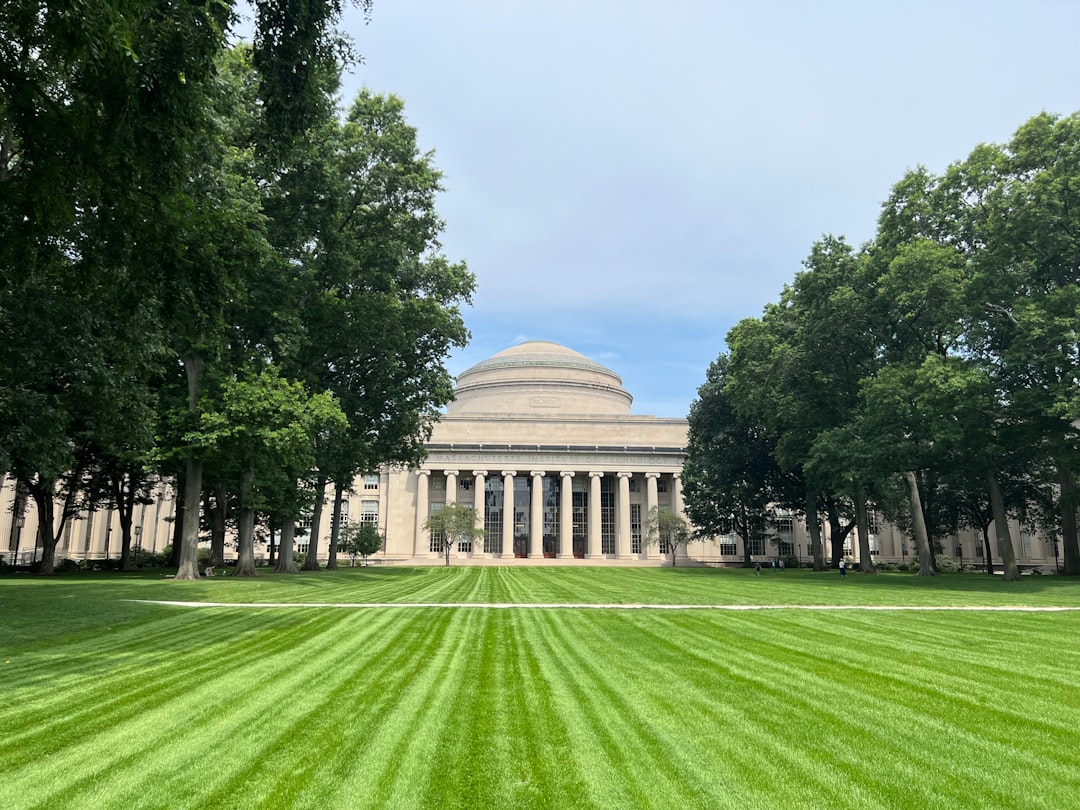
Economic Consequences for American Universities
The decline in applications from international students has significant economic implications for American universities. Many institutions rely heavily on tuition from foreign students, which often subsidizes programs for domestic students. A drop in enrollment could lead to budget cuts and reduced resources for various departments.
Furthermore, the loss of international students can impact the diversity of campuses. This diversity enriches the educational experience for all students. A decrease in this demographic may lead to a less vibrant campus culture and fewer opportunities for cross-cultural exchange.
The future landscape of higher education is likely to change significantly due to these trends.
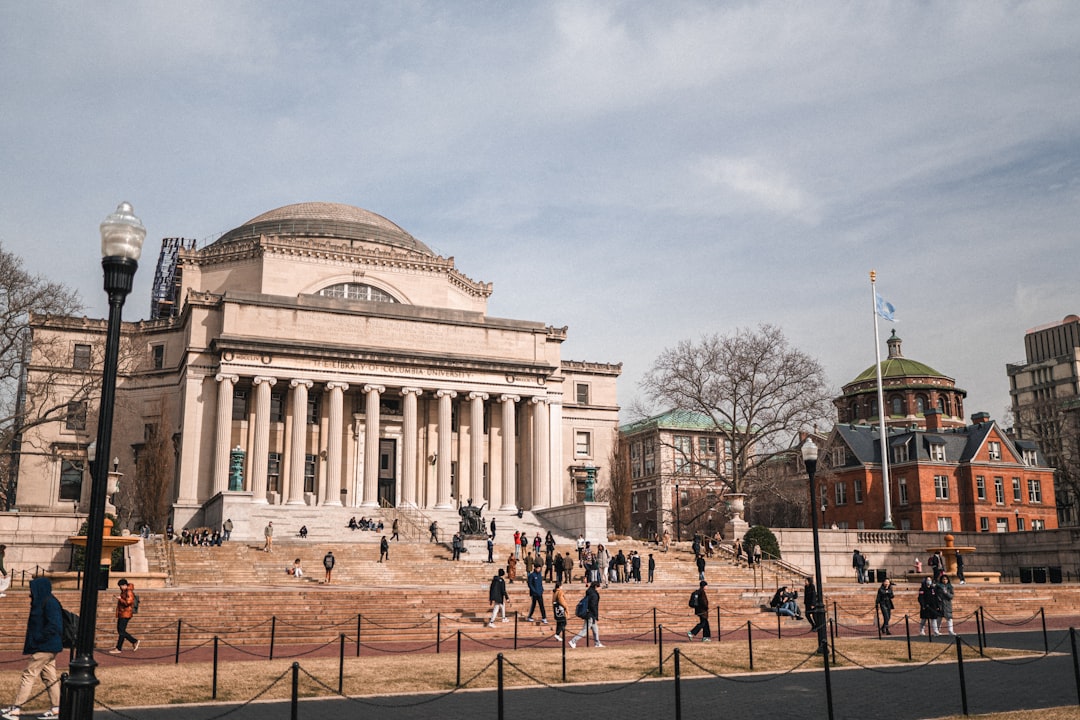
As American universities grapple with these challenges, they must reassess their strategies. They may need to focus on improving the overall experience for international students and addressing their concerns, which could involve advocacy for more favorable visa policies and creating a more inclusive campus environment.
You may also like
 Education & University Insights
Calcutta University Reinstates Attendance Marks for UG Students
Calcutta University has reinstated attendance marks for undergraduate students, allocating 5 out of 25 internal assessment marks to encourage classroom attendance.
Read More →
Shifting Dynamics in Higher Education
The future landscape of higher education is likely to change significantly due to these trends. American universities must adapt to the shifting preferences of students and reevaluate their global strategies to remain competitive in an increasingly interconnected world.
Conversely, French universities are poised to benefit from this shift. As they continue to attract more international students, they may enhance their global reputation, leading to increased funding and resources that further strengthen their programs.
Ultimately, the evolving dynamics between American and French universities will shape the future of higher education. As students prioritize safety and support, institutions must respond to these demands to thrive in this new environment.