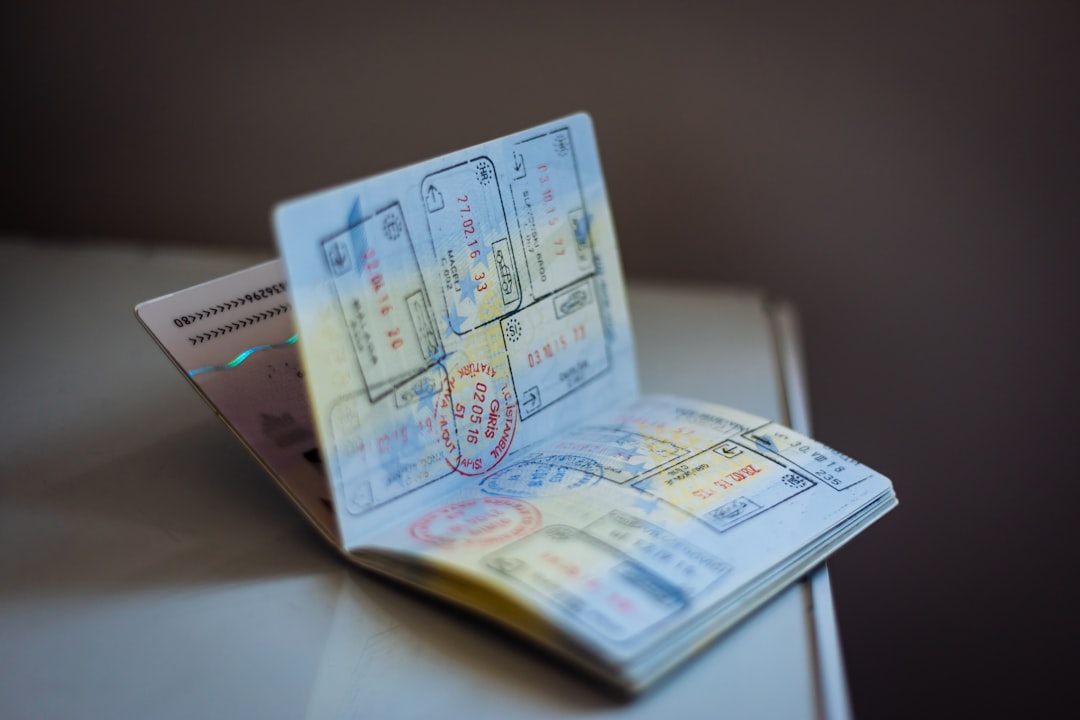
A federal judge has blocked a Trump administration rule that would have imposed strict limits on the duration of stay for international students and journalists in the United States. The ruling, issued on September 15, 2026, by US District Judge F. Dennis Saylor, prevents the Department of Homeland Security (DHS) from implementing a policy that would have capped F and J visa stays at four years. This decision is crucial for the approximately 1.6 million international students and 500,000 cultural exchange visitors currently in the US, as well as for foreign journalists holding I visas.
The proposed rule, which aimed to replace the longstanding “duration of status” system, would have forced students and researchers to apply for extensions to remain in the US, creating uncertainty and potential barriers to education and research opportunities. Judge Saylor criticized the DHS for adopting the policy based on “exceptionally weak” rationales, primarily citing national security concerns and the need to prevent fraud in the visa program. This critique aligns with broader concerns expressed by various advocacy groups regarding the potential chilling effect such policies could have on academic freedom and the free exchange of ideas.
Implications of the Ruling for International Students
The court’s decision to block the Trump administration’s visa restrictions has immediate and significant implications for international students in the US. By preserving the duration of status system, students can continue their studies without the fear of being forced to leave the country prematurely. This ruling is especially vital for graduate students and researchers, who often require extended periods to complete their programs and engage in essential research activities. The ruling not only protects the rights of current international students but also enhances the attractiveness of US institutions for future applicants. With a stable visa environment, universities can maintain their competitive edge in attracting global talent, which is crucial for maintaining the quality of education and research output. Major institutions like Harvard and MIT, which host large populations of international students, stand to benefit significantly from this ruling.
This ruling is especially vital for graduate students and researchers, who often require extended periods to complete their programs and engage in essential research activities.
 Government & Policy
Supreme Court Reviews Aviation Accessibility Gaps | Career Outlook
The petition, filed by Turab Chimthanawala, who has a visual impairment, argues that the aviation industry has not implemented adequate measures to ensure accessibility at…
Read More →Moreover, the ruling underscores the importance of international students to the US economy. According to a report from the Association of International Educators, international students contribute over $45 billion annually to the US economy through tuition, living expenses, and other expenditures. By ensuring their continued presence, the court’s decision supports economic stability and growth. The financial contributions of these students are not merely numbers; they represent a vital influx of resources that support local economies, create jobs, and drive innovation in various sectors. Furthermore, international students bring diverse perspectives and experiences that enrich the educational environment. This diversity fosters innovation and collaboration, essential components for advancing knowledge in various fields. Thus, the court’s ruling not only safeguards individual students but also enhances the overall educational landscape in the US.
Impact on Foreign Journalists and Future Visa Regulations
The ruling also has significant implications for foreign journalists working in the US. The proposed cap on I visas, limiting stays to 240 days, would have drastically altered the landscape for media professionals. By blocking this rule, the court has ensured that journalists can continue their work without the threat of abrupt visa expirations, which could hinder their ability to report on critical issues. Career Ahead’s research identifies that the ability of foreign journalists to maintain longer visa durations is vital for the integrity of news reporting in the US. Journalists play a crucial role in informing the public and holding power accountable, and any restrictions on their ability to work would have detrimental effects on the media landscape. The court’s decision to uphold the duration of status system allows journalists to focus on their work without the looming uncertainty of visa renewals.
Furthermore, this ruling could set a precedent for future immigration policies affecting international education and journalism. As the legal battles surrounding immigration continue, the outcome of this case may influence how policymakers approach visa regulations moving forward. The court’s emphasis on the importance of international students and journalists could lead to more favorable policies that support these groups. However, the ruling is not without its challenges. The Trump administration has indicated intentions to appeal the decision, and the ongoing political climate surrounding immigration remains contentious. As the case progresses, stakeholders in the international education and journalism sectors must remain vigilant and engaged in the policy-making process to ensure their interests are protected. The implications of this ruling extend beyond just visa regulations; they touch on the broader themes of inclusivity and global collaboration. By allowing international students and journalists to thrive in the US, the ruling reinforces the idea that diversity and global perspectives are essential for progress in education and media.
 Government & Policy
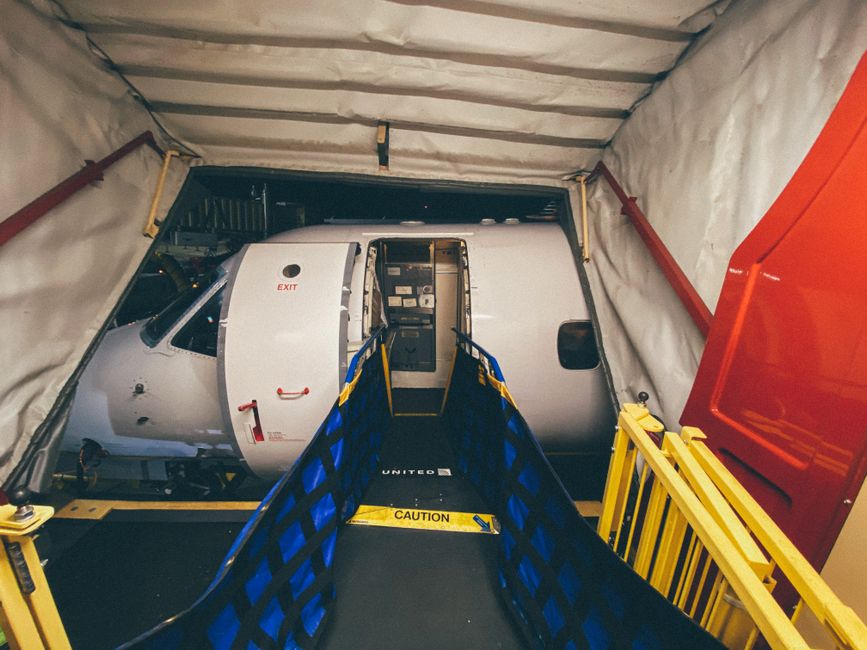
Supreme Court Reviews Aviation Accessibility Gaps
The Supreme Court of India is set to examine a critical plea regarding systemic accessibility failures affecting disabled travelers in the aviation sector.
Read More →As the legal landscape continues to evolve, it will be crucial to monitor how this ruling influences future immigration policies and the experiences of international students and journalists in the US. The ongoing dialogue around immigration reform will likely shape the opportunities available to these groups in the coming years. The ruling not only protects the current status of these individuals but also sends a message about the value of international engagement and cooperation in a globalized world.
By allowing international students and journalists to thrive in the US, the ruling reinforces the idea that diversity and global perspectives are essential for progress in education and media.
Frequently Asked Questions
What does the court ruling mean for my student visa status?
The recent court ruling ensures that international students can maintain their current visa status without the risk of being forced to leave the US prematurely. This decision protects the duration of status system that has been in place for decades.
How can foreign journalists ensure their stay in the US is secure after this ruling?
Foreign journalists can feel more secure in their visa status following the court’s decision, which blocks limitations on their stay. They should remain informed about ongoing legal developments and engage with professional organizations that advocate for their rights.
What should international students do to stay informed about immigration policy changes?
International students should regularly check updates from their universities and trusted immigration resources. Staying connected with advocacy groups can also provide valuable information on any changes to visa regulations or policies.
Written by Career Ahead AI. AI can make mistakes, so verify key facts. Report errors to support@careeraheadonline.com.