The rise of deepfake technology poses significant challenges for social media influencers and the marketing industry, raising concerns about authenticity and trust.
Deepfake technology is quickly undermining the credibility of social media influencers, creating major challenges in marketing. Influencers now face a new threat: AI-generated versions of themselves in misleading ads. This trend surged in 2026, with many influencers discovering their images used without their consent. For example, Emily Schuman, a lifestyle influencer with over 500,000 followers, found an AI-generated image of her in an ad for a telehealth company she had never endorsed. This situation highlights a growing concern as deepfake technology becomes easier to access and more advanced, allowing scammers to impersonate influencers effectively.
A report by The Guardian shows that deepfakes affect not only individual influencers but also raise alarms in the marketing industry. The report notes that deepfake technology creates convincing fake ads that mislead consumers and harm the reputations of real influencers. This trend is worrying because it erodes the trust that brands and audiences place in influencer marketing, which relies on authenticity and personal connections. As the technology evolves, the potential for misuse increases, leading to calls for stricter regulations and protective measures in the industry.
Influencers Rethink Marketing Strategies
The rise of deepfakes forces influencers to rethink their marketing strategies. With their images and videos now under scrutiny, influencers must take steps to protect their brands. Research indicates that deepfake technology is pushing influencers to explore new verification tools to maintain audience trust. In 2026, the marketing consultancy Digital Applied reported that AI-generated influencers made up about 4% of all brand spending, totaling $1.37 billion. This shift highlights the growing reliance on AI in marketing, which raises ethical questions about authenticity and the risk of deception. Influencers now compete not only with each other but also with AI-generated representations produced at a lower cost.
The financial impact of deepfake scams is staggering. Recent investigations reveal that global consumers lost an estimated $3.7 billion to deepfake-related scams in 2026, with social media impersonations accounting for about half of those losses. This alarming trend emphasizes the need for influencers to protect their reputations and income. As noted by Ialternativemedia, influencers increasingly fall victim to these scams, facing financial losses and damage to their personal brands. The emotional toll of seeing one’s likeness misused can be profound, leading to feelings of violation and helplessness.
As influencers deal with these challenges, many are turning to legal action to fight unauthorized use of their likenesses. For instance, Molly Tranchin, known as FashionVeggie, filed a lawsuit against a brand for using a deepfake video of her without permission. Such actions stress the need for influencers to protect their rights in a rapidly changing digital landscape. However, legal recourse can be lengthy and costly, leaving many influencers vulnerable in the meantime. Therefore, influencers are encouraged to monitor their digital presence and seek partnerships with brands that prioritize authenticity and ethical marketing practices.
The return to pre-war export levels is crucial as it indicates a stabilization in the oil market. Producers and shipping industries have adapted by employing…
This alarming trend emphasizes the need for influencers to protect their reputations and income.
In response to the growing threat of deepfakes, platforms like Meta and TikTok have introduced new verification tools and stricter advertiser policies. However, experts argue that these measures may not be enough to combat the widespread impersonation on these platforms. As noted by Briefly, while these platforms are taking steps to address the issue, the sheer volume of deepfake content poses a significant challenge. Thus, influencers must stay vigilant and proactive in managing their online presence, using available tools to protect their brand integrity.
Verification Tools: A Necessity
The rise of deepfake technology makes effective verification tools essential for influencers. As AI-generated content becomes more advanced, traditional methods of verifying authenticity may not work. Influencers must adapt by using advanced technologies to keep their content credible. Research suggests that blockchain technology could help verify the authenticity of influencer content. By creating a secure and tamper-proof record of digital assets, influencers can protect their likenesses and ensure that any associated content is legitimate. This approach could help restore trust among audiences who may doubt the authenticity of influencer marketing.
Additionally, influencers can work with technology companies to create innovative solutions for identifying deepfakes. For example, AI-driven detection tools could analyze visual content for signs of manipulation, alerting influencers and their audiences to potential scams. Such collaborations could enhance the credibility of individual influencers and contribute to the overall integrity of the influencer marketing ecosystem. However, the responsibility does not rest solely with influencers and tech companies. Brands must also ensure that their marketing strategies prioritize authenticity and transparency. By establishing clear guidelines for influencer partnerships and implementing strong verification processes, brands can help create a healthier marketing environment.
The challenge of deepfakes is not just technical; it raises fundamental questions of trust in the digital age. As influencers navigate this landscape, they must remain vigilant and proactive in protecting their reputations while building trust with their audiences. The implications of deepfake technology extend beyond individual influencers, affecting the entire marketing ecosystem. Brands may hesitate to invest in partnerships if they see a lack of authenticity.
As deepfake technology continues to advance, the question remains: how will influencers and brands adapt to protect their credibility in a complex digital landscape? The coming years will be crucial in shaping the future of influencer marketing amid these challenges. A collective effort to address the risks posed by deepfakes is more important than ever, as the integrity of influencer marketing hangs in the balance.
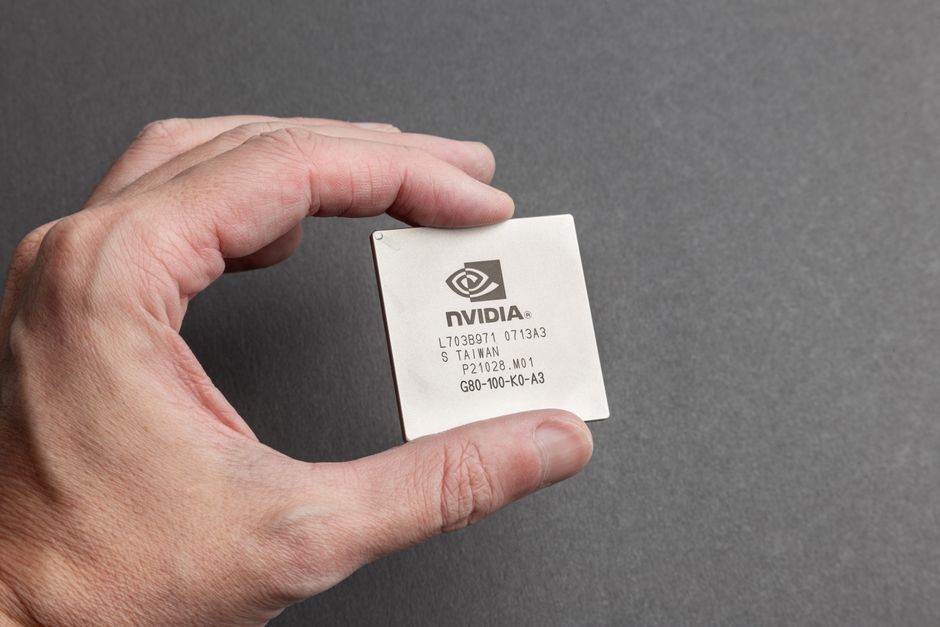
A US national has been charged with illegally exporting Nvidia chips to China, raising significant compliance and legal concerns in the semiconductor industry.
The coming years will be crucial in shaping the future of influencer marketing amid these challenges.
Frequently Asked Questions
How can social media influencers verify their content authenticity?
Influencers can verify their content authenticity by using advanced verification tools, like blockchain technology, to create a secure record of their digital assets.
What are the best practices for digital marketers to combat deepfake ads?
Digital marketers can fight deepfake ads by implementing strong verification processes, collaborating with tech companies for detection tools, and prioritizing transparency in influencer partnerships.
What should social media influencers do about the rise of deepfake technology?
Social media influencers should stay alert in monitoring their online presence, use verification tools, and engage with their audiences to address concerns about authenticity and trust.




Industry & Global Trends

 Industry & Global Trends