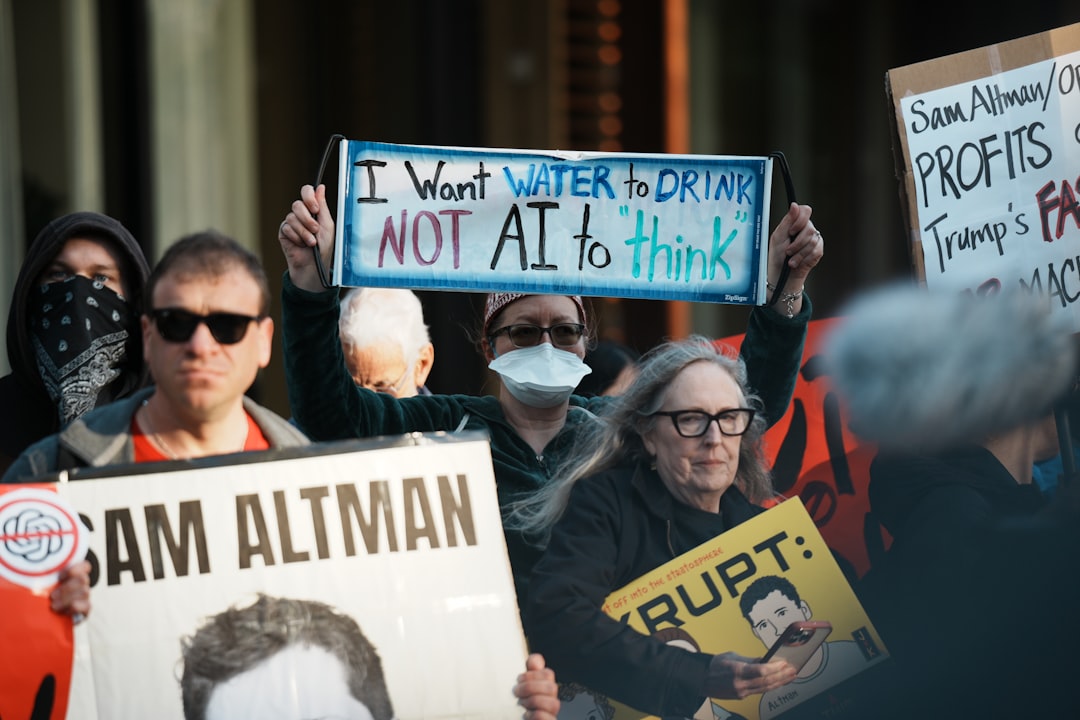
OpenAI's CEO Sam Altman announces a delay in the company's IPO until 2027, emphasizing a commitment to safety in AI development amid rising ethical concerns.
OpenAI’s CEO Sam Altman announced that the company will delay its initial public offering (IPO) until 2027. This decision prioritizes safety in AI development. It marks a significant change in the company’s strategy, focusing on responsible AI practices rather than quick financial growth.
The announcement comes amid rising concerns about the ethical implications of AI technologies. There is a growing need for better safety measures. OpenAI’s move raises questions about future funding in the AI sector, especially for startups and researchers who depend on investment. According to Bloomberg, Altman said the delay responds to increasing scrutiny surrounding AI safety and its risks. This shows that the company is taking a more cautious approach to these challenges.
The Impact on Funding Opportunities for AI Researchers
OpenAI’s decision to delay its IPO could greatly affect AI researchers. With a focus on safety, funding strategies may also change. Investors are likely to be more selective, looking for projects that meet ethical guidelines and safety protocols. Insights from the OpenAI Platform support this trend, highlighting the need for AI projects to align with safety standards to attract funding.
Career Ahead’s analysis indicates that this shift may reduce venture capital availability for AI startups that do not prioritize safety. Investors may favor companies that show a commitment to responsible AI development. This could leave those without a clear safety strategy at a disadvantage. As the landscape changes, researchers may need to collaborate with established organizations like OpenAI to boost their credibility and secure funding.
Furthermore, the delay in OpenAI’s IPO could signal to investors that the AI landscape is changing. Startups may need to adjust their expectations and timelines for securing funding. The focus on safety may lengthen the investment cycle, leading to longer development timelines for new technologies. This could slow innovation in the sector. Reports from various news outlets, including MSN, suggest that the emphasis on safety is a fundamental shift in how AI technologies are developed and funded.
Career Ahead’s analysis indicates that this shift may reduce venture capital availability for AI startups that do not prioritize safety.
Europe's solar energy sector is booming, but a critical gap in energy storage technology threatens to slow its growth. As demand for solar energy rises,…
As researchers adapt to this new funding environment, they may seek alternative support sources, such as government grants or partnerships with academic institutions. These options could provide the necessary resources to continue their work while aligning with the growing focus on safety in AI. Increased collaboration between academia and industry could create a stronger ecosystem for AI research, benefiting the entire sector.
Shifts in Startup Timelines Due to OpenAI’s Focus on Safety
The delay in OpenAI’s IPO may also change the timelines for AI startups. Many startups look to established companies like OpenAI for growth and funding strategies. With OpenAI postponing its IPO, startups may need to reevaluate their plans and timelines. This could lead to a more cautious approach to product development, as startups focus on building strong safety protocols and ethical frameworks before seeking funding.
Career Ahead research shows that startups might now prioritize developing robust safety protocols and ethical frameworks before seeking funding. This shift could lead to longer product development times as startups work on creating safer AI technologies that meet evolving investor and regulatory expectations. The focus on safety may also drive startups to innovate in ways that enhance transparency and accountability, as consumers become more aware of AI technology implications.
As startups adapt to this new reality, they may find opportunities to collaborate with other organizations focused on AI safety. These partnerships could facilitate knowledge sharing and resource pooling, helping startups navigate the changing landscape. The emphasis on safety may also influence how startups market their products. Highlighting ethical considerations and safety features could become a key selling point, reshaping consumer expectations in the AI market.
Overall, the implications of OpenAI’s IPO delay extend beyond the company itself. They impact the broader ecosystem of AI startups and researchers. As the industry evolves, it will be crucial for these entities to adapt their strategies to the changing funding landscape. The shift towards safety may lead to a consolidation of resources, with investors favoring startups that align with their values and demonstrate a commitment to ethical practices.
Nifty's recent performance raises concerns for equity investors as it closes at 23,398.10 after violating key support levels between 23,900 and 24,000. This article explores…
Career Ahead research shows that startups might now prioritize developing robust safety protocols and ethical frameworks before seeking funding.
In conclusion, OpenAI’s IPO delay has significant implications for AI researchers and startups. As the industry shifts towards a safety-oriented approach, the landscape of funding and innovation in AI will continue to evolve. This raises important questions about the future direction of the sector. The focus on safety is not just a reaction to current events but a proactive strategy to ensure responsible and sustainable AI development. This could ultimately benefit all stakeholders in the AI ecosystem.
Frequently Asked Questions
What funding options are available for AI researchers now?
AI researchers can explore various funding options, including government grants, private foundations, and partnerships with established organizations like OpenAI. These sources may provide the financial support needed while aligning with the growing emphasis on safety in AI development.
How should startup founders in AI adjust their business plans in light of OpenAI’s IPO delay?
Startup founders should integrate strong safety protocols and ethical frameworks into their business models. This alignment with safety priorities may make them more attractive to investors and improve their chances of securing funding.
What are the implications of OpenAI’s focus on safety for the future of AI development?
OpenAI’s focus on safety may lead to a more structured and cautious approach to AI development across the industry. Startups that prioritize safety could gain a competitive edge, while those that do not may struggle to attract investment and consumer trust.




Industry & Global Trends

Industry & Global Trends