No products in the cart.

Delhi Police Clarifies CJP Protest FIR Rumors

The CJP protest, led by founder Abhijeet Dipke, attracted hundreds of participants, including students and young professionals. Attendees raised concerns over alleged irregularities in examinations and recruitment processes, demanding accountability from the government. As the protest unfolded, the police detained six individuals as a precautionary measure to maintain order.

India — The Delhi Police issued a clarification on June 6, 2026, regarding the Cockroach Janta Party (CJP) protest at Jantar Mantar. The police denied rumors circulating on social media that an FIR had been registered against protesters. This clarification followed widespread discussions online, emphasizing the importance of verifying information before sharing it.
The CJP protest, led by founder Abhijeet Dipke, attracted hundreds of participants, including students and young professionals. Attendees raised concerns over alleged irregularities in examinations and recruitment processes, demanding accountability from the government. As the protest unfolded, the police detained six individuals as a precautionary measure to maintain order amid fears of potential confrontations.
In its statement, the Delhi Police urged citizens to rely on official updates and avoid spreading unverified claims. This incident highlights the significant role misinformation plays in shaping public perception and its potential legal implications for activists involved in political movements. According to a report by the Economic Times, the police emphasized that misinformation can escalate tensions, leading to unnecessary legal troubles for those participating in protests.
The Role of Misinformation in Political Protests
Misinformation can significantly impact protest movements, as seen in the recent CJP demonstration. The spread of false information can lead to confusion among participants and the public, potentially undermining the protest’s objectives. When rumors of an FIR against protesters circulated, it created unnecessary panic and could have deterred participation. The Delhi Police’s clarification was crucial in mitigating this panic, as it reassured participants that their rights to protest were not being infringed upon without cause.
According to Career Ahead’s analysis, misinformation can also trigger legal repercussions for activists. In India, the legal landscape surrounding protests is complex. Activists must navigate laws that govern public gatherings, freedom of expression, and the potential for criminal charges. The Delhi Police’s clarification serves as a reminder that misinformation can escalate tensions and lead to unnecessary legal troubles. As highlighted by Indian Express, the CJP movement has gained traction primarily through social media campaigns, advocating for transparency and accountability in examination systems, which further complicates the narrative surrounding protests.
Career Ahead research identifies that effective communication strategies can enhance the credibility of activist movements and foster greater public trust.
You may also like
 News
NewsAnup Bagchi Takes Charge as HDFC Bank MD & CEO
Anup Bagchi, with over three decades in financial services, is set to lead HDFC Bank starting October 27, 2026, following the retirement of Sashidhar Jagdishan.
Read More →Moreover, the role of social media in disseminating information cannot be overstated. Platforms like Twitter and Facebook are often the first sources of news for young activists. However, the rapid spread of information can result in the circulation of unverified claims. The CJP protest, which was organized through social media channels, illustrates how quickly misinformation can spread and how it can affect public perception. In this context, youth activists must develop strategies to verify information before sharing it. This involves relying on official channels and corroborating claims from multiple sources. Career Ahead research identifies that effective communication strategies can enhance the credibility of activist movements and foster greater public trust.
Legal Implications for Protesters in India
The legal implications for protesters in India are significant, particularly in the context of misinformation. While the Constitution guarantees the right to assemble peacefully, this right is often challenged by local laws and regulations. Activists must be aware of these legal frameworks to avoid potential conflicts with law enforcement. The recent CJP protest is a case in point, where the Delhi Police’s preventive detentions highlight the delicate balance between maintaining public order and respecting the rights of protesters. The police’s actions were deemed necessary to prevent possible confrontations between rival groups, but they also raise questions about the limits of police authority in regulating protests.
Career Ahead’s analysis finds that the legal environment for protests in India is becoming increasingly stringent. Recent trends show a rise in the use of laws such as the Unlawful Activities (Prevention) Act (UAPA) against activists. This means that youth activists must be vigilant and prepared for the legal challenges that may arise from their participation in protests. The Economic Times reported that the police clarified that no FIR had been registered against the protesters, which is a crucial distinction that protects the rights of those involved. However, the mere act of detaining individuals can have a chilling effect on future protests, as it instills fear among potential participants.
Furthermore, the importance of legal awareness cannot be overstated. Activists should familiarize themselves with their rights and the legal implications of their actions. Knowledge of laws governing public gatherings, potential charges, and the process for legal recourse can empower activists and enhance their advocacy efforts. As the CJP movement continues to grow, the need for accurate information and legal awareness among youth activists becomes paramount. The consequences of misinformation can extend beyond public perception, potentially leading to serious legal challenges for individuals involved in protests.
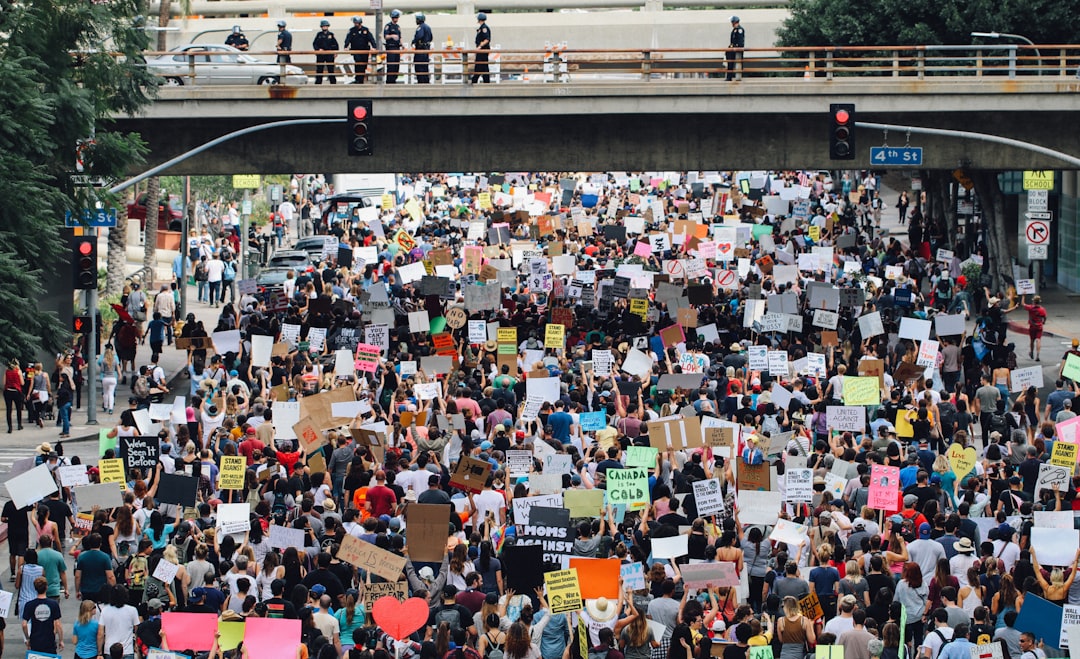
As youth activism evolves, understanding these dynamics will be crucial for effective engagement and advocacy.
The CJP protest serves as a case study for the intersection of misinformation, social media, and legal frameworks. As youth activism evolves, understanding these dynamics will be crucial for effective engagement and advocacy. The ability to navigate the complexities of legal implications while effectively communicating verified information will be essential for the sustainability of youth-led movements in India.
Accurate information is vital for youth activists engaged in political protests. The CJP protest exemplifies how misinformation can distort public perception and hinder the movement’s goals. As young activists seek to challenge systemic issues, they must ensure that the information they share is verified and credible. The role of social media in shaping public discourse makes it essential for activists to develop robust communication strategies. By relying on official channels and fact-checking claims, activists can build trust with their audience and enhance the legitimacy of their movements. The Delhi Police’s emphasis on official communication highlights the need for activists to prioritize verified information.
You may also like
 News
NewsFood Prices Surge Amid Heatwaves and El Niño Impact
World food prices surged in September 2026, reaching their highest level in nearly four years due to extreme weather conditions and rising agricultural input costs.…
Read More →Moreover, the consequences of misinformation can be severe. Activists may face legal repercussions, public backlash, or diminished support if they share unverified claims. Therefore, understanding the legal landscape and the potential ramifications of misinformation is crucial for youth activists navigating political protests. As the CJP movement continues to gain momentum, the importance of accurate information will only grow. Youth activists must remain vigilant and proactive in verifying claims to ensure their advocacy efforts are effective and impactful.
Looking ahead, the evolving landscape of youth activism in India suggests that the relationship between social media, misinformation, and legal frameworks will remain critical. How activists adapt to these challenges will shape the future of political engagement in the country.
Frequently Asked Questions
How can youth activists ensure their information is accurate?
Youth activists can ensure their information is accurate by relying on official communication channels and verifying claims through multiple trusted sources. Engaging in fact-checking practices and being cautious about sharing unverified information can enhance the credibility of their advocacy efforts.
However, they must navigate local laws and regulations that may impose restrictions on public gatherings, making legal awareness crucial for activists.
What should social media managers do to combat misinformation?
Social media managers should prioritize the dissemination of verified information and actively engage in fact-checking. By creating content that highlights credible sources and countering misinformation, they can help maintain the integrity of online discussions related to social movements.
What are the legal protections for protesters in India?
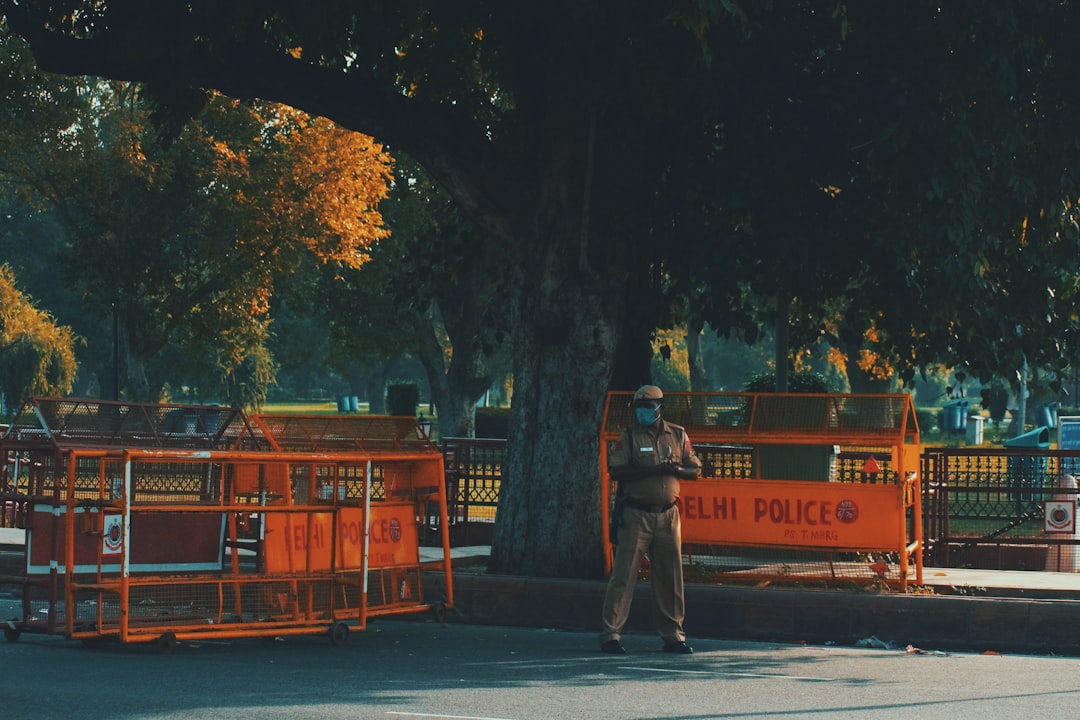
Protesters in India are protected under the Constitution, which guarantees the right to assemble peacefully. However, they must navigate local laws and regulations that may impose restrictions on public gatherings, making legal awareness crucial for activists.
You may also like
 News
NewsTokyo Inflation Surge Signals BOJ’s Monetary Policy Shift
Inflation in Tokyo has surged to 3.4%, prompting the Bank of Japan to reassess its monetary policy. This article explores the implications for economic growth,…
Read More →