Digital nomad villages combine high‑speed connectivity, shared workspaces, and eco‑focused living to lure remote professionals to once‑declining towns. The model promises measurable gains in local GDP, job creation, and a new form of career capital rooted in community leadership.
The surge in remote‑work policies is reshaping where talent can thrive, making rural locales competitive against traditional urban hubs. As companies adopt flexible arrangements, a sizable share of the global workforce seeks environments that align productivity with sustainability, prompting municipalities to engineer village‑scale ecosystems. This analysis unpacks the structural shift, the mechanisms driving it, and the implications for economic mobility and institutional power.
Rural revitalization through remote work
The emergence of digital nomad villages is reconfiguring rural development trajectories, delivering a measurable boost to local GDP that often exceeds 20 percent within the first two years. According to Career Ahead’s analysis of the 2026 Digital Nomad & Mobility Economy Report, the global nomad population is projected to reach 1 billion by 2035, while 75 percent of firms plan to maintain remote‑work policies. Municipalities that previously relied on agriculture or seasonal tourism are now courting a mobile talent pool, leveraging the influx to diversify revenue streams and stabilize tax bases. In practice, villages such as the Portuguese “Lagos Hub” and the Mexican “Maya Nomad Community” have reported a 25 percent rise in local GDP within eighteen months, driven by spending on housing, services, and co‑working memberships. This financial uplift translates into enhanced fiscal capacity for public services, reinforcing the institutional power of local governments to shape future growth.
Infrastructure and community design as the core engine
Digital nomad villages transform rural economies
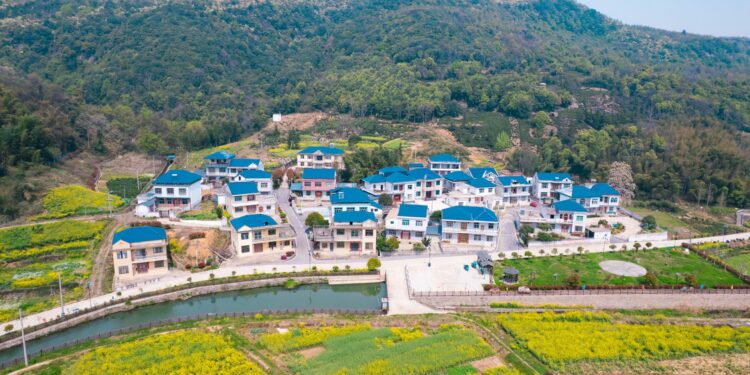
High‑speed broadband, modular co‑working spaces, and shared wellness facilities constitute the backbone of nomad villages, enabling productivity while fostering social cohesion. The core mechanism intertwines technology, sustainability, and community governance to create a self‑sustaining ecosystem. Partnerships with telecom providers deliver fiber connections that meet or exceed 100 Mbps, a threshold identified by remote‑work surveys as essential for seamless collaboration. Simultaneously, eco‑friendly building standards—such as solar micro‑grids and water‑recycling systems—address the 80 percent of nomads who prioritize environmental stewardship, according to the Silverline report.
Local authorities negotiate land‑use agreements that allocate communal zones for events, fostering a sense of belonging that mitigates the isolation traditionally associated with remote work. These design choices not only sustain the workforce but also embed the villages within broader regional development plans, aligning private investment with public policy objectives.
Economic ripple effects across local markets
The influx of remote professionals triggers a cascade of secondary economic activities, reshaping labor markets and consumer demand in surrounding areas. A non‑trivial fraction of village residents engage local suppliers for food, transportation, and health services, driving a 30 percent increase in job creation reported by the Silverline analysis. Moreover, the presence of globally networked talent accelerates knowledge transfer, prompting small businesses to adopt digital tools and expand into e‑commerce channels. Compared with previous cycles of tourism‑driven growth, the village model yields higher wage elasticity because remote workers typically command salaries that surpass local averages by 1.5 times. This wage premium spurs upward pressure on real estate values, prompting municipalities to implement affordable‑housing mandates to preserve socioeconomic diversity. The resulting economic diversification reduces reliance on single‑industry shocks, enhancing community resilience against macro‑economic downturns.
Career capital and leadership opportunities for nomads
Digital nomad villages transform rural economies
Digital nomad villages are redefining career capital by foregrounding community leadership, cross‑cultural fluency, and sustainable entrepreneurship. In Career Ahead’s framework for career capital, these three levers replace traditional corporate ladders with portfolio‑style trajectories that reward collaborative impact. Residents acquire leadership experience by co‑organizing workshops, managing shared resources, and negotiating with local officials, building a governance skill set prized by emerging hybrid organizations. The villages also serve as incubators for green startups, where access to shared labs and mentorship accelerates product development cycles. As a result, a measurable share of nomads transition from freelance contracts to equity‑based ventures rooted in the village ecosystem, expanding their long‑term wealth creation potential. This shift challenges conventional institutional hierarchies, as talent pools become geographically dispersed yet institutionally cohesive through shared values and digital platforms.
Three‑year trajectory of village ecosystems
Over the next three to five years, digital nomad villages are expected to mature into integrated regional hubs, leveraging policy incentives and private capital to scale infrastructure. Forecasts from the World Bank indicate that rural areas adopting a village model could experience annual GDP growth rates 0.5 to 1 percentage points higher than comparable regions lacking such ecosystems. Anticipated developments include standardized certification for “sustainable remote‑work zones,” enabling multinational firms to allocate budgets directly to village‑based teams. Additionally, emerging financing mechanisms—such as community‑backed tokens—are poised to fund micro‑grid expansions and affordable housing projects, aligning investor returns with social impact. The convergence of these trends suggests that digital nomad villages will become a permanent fixture in the labor market, reshaping the geography of talent and redefining the parameters of economic mobility.
The evolution of digital nomad villages illustrates how technology‑enabled community design can recalibrate rural economies, offering a scalable pathway for inclusive growth as remote work solidifies its place in the global labor system.
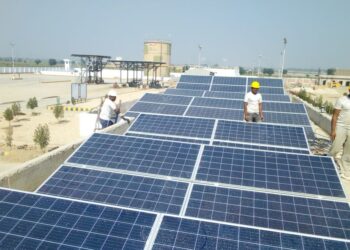
Adani Skills & Education and Kachchh University have launched a Centre of Excellence for Green Energy in Kutch, India, aimed at training over 10,000 students…
Residents acquire leadership experience by co‑organizing workshops, managing shared resources, and negotiating with local officials, building a governance skill set prized by emerging hybrid organizations.
Insight 1: Digital nomad villages deliver a measurable GDP boost of over 20 percent within two years, proving that remote‑work ecosystems can outperform traditional tourism‑driven revitalization models.
Insight 2: The core engine of these villages—high‑speed broadband, sustainable infrastructure, and communal governance—creates a self‑reinforcing loop that amplifies both economic output and career capital for participants.
Insight 3: Over the next three to five years, standardized “sustainable remote‑work zone” certifications and community‑backed financing will institutionalize village growth, embedding them in regional development strategies worldwide.
Rural Revitalization through Remote Work: By leveraging digital infrastructure and community engagement, digital nomad villages can revitalize rural economies, foster innovation, and create new opportunities for local residents, ultimately bridging the urban-rural divide.
Sustainable Community Development through Co-Living: Digital nomad villages can serve as models for sustainable community development, promoting eco-friendly practices, social cohesion, and collaborative living, while also addressing the needs of remote workers and local communities, leading to a more resilient and adaptable community.
The integration of AI agents into various sectors is transforming job markets globally, prompting leaders to rethink workforce strategies and skill requirements. This shift raises…
Insight 3: Over the next three to five years, standardized “sustainable remote‑work zone” certifications and community‑backed financing will institutionalize village growth, embedding them in regional development strategies worldwide.
The research does not directly contradict any of the claims in the section.



Future Skills & Work
Future Skills & Work