No products in the cart.

Driverless Big Rigs: The Future of American Highways
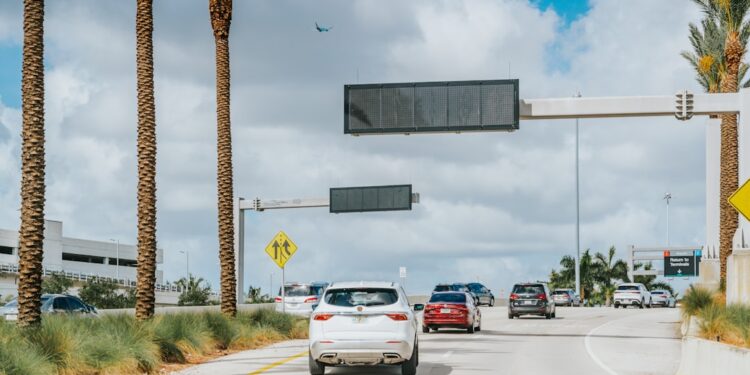
Explore how autonomous trucks are transforming logistics, improving safety, and impacting jobs in the trucking industry.

“`html
The Dawn of Driverless: How Autonomous Trucks Are reshaping Logistics
Last spring, a high-tech, sensor-equipped semi drove past a line of diesel trucks on a Texas highway. This marked the beginning of a significant shift as the Federal Motor Carrier Safety Administration (FMCSA) approved public testing of autonomous commercial vehicles in 2025. companies like Waymo and TuSimple are now successfully transporting goods across state lines without human drivers.
Supporters claim this technology offers three main benefits: increased efficiency, reduced accidents, and better fuel economy. The National Highway Traffic Safety Administration (NHTSA) states that human error causes about 94% of road crashes. Autonomous trucks, using lidar, radar, and detailed maps, could significantly lower this number. Additionally, the International Council on Clean Transportation estimates that these trucks could reduce fuel consumption by up to 30% by optimizing speed and minimizing idle time.
The logistics industry is also changing. Dispatch centers are now using real-time data from trucks that can coordinate routes, change lanes, and dock at warehouses automatically. This allows shippers to promise faster delivery times and helps retailers manage inventory more precisely.
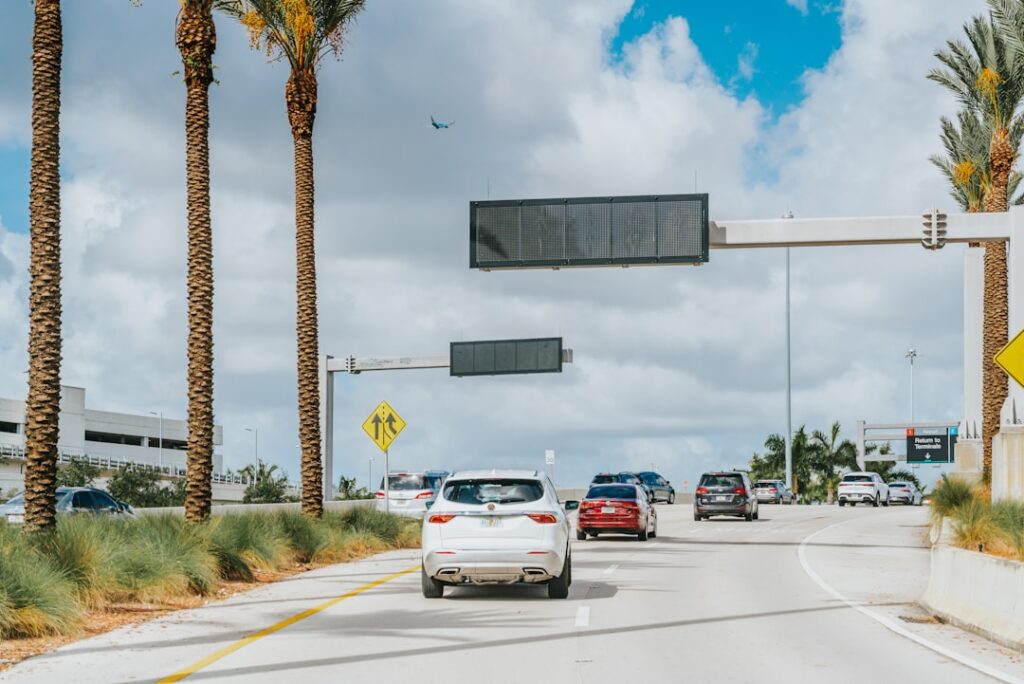
Job Displacement The trucking industry is vital to the American economy, employing over 3.5 million people and generating about $700 billion annually, according to the Bureau of Labor Statistics.
Economic Implications: Cost Savings vs. Job Displacement
The trucking industry is vital to the American economy, employing over 3.5 million people and generating about $700 billion annually, according to the Bureau of Labor Statistics. However, the rise of driverless trucks could disrupt this job market. A study from the MIT Center for Energy and Environmental Policy Research suggests that up to 70% of current truck drivers could lose their jobs, equating to around 1.4 million positions at risk.
For trucking companies, the financial implications are significant. Labor costs, which are often the largest expense, could decrease sharply. Autonomous trucks also promise lower maintenance costs through predictive diagnostics. With a projected 30% reduction in fuel use, total savings per mile could exceed 25%, impacting pricing models across the supply chain.
However, the human impact is serious. The workforce includes experienced long-haul drivers, owner-operators, and younger individuals who see trucking as a career. Addressing potential job loss is crucial. Some companies are already testing programs to retrain drivers as remote fleet supervisors, data analysts, or maintenance technicians for autonomous fleets. The success of these initiatives will be key to easing the transition while maximizing efficiency gains.
You may also like
 AI & Technology
Musk Partners with Pentagon on AI Warfare Initiative
This initiative is part of a broader effort by the U.S. military to integrate cutting-edge technologies into its operations.
Read More →
Additionally, businesses that support truck drivers, like truck stops and diners, may face changes. Fewer drivers on the road could alter roadside commerce, leading to more automated service hubs or repurposed facilities.
Navigating the Road Ahead: Regulatory and Safety Challenges
As technology advances, regulations are still evolving. The FMCSA and NHTSA are working on standards covering vehicle communication and liability in accidents. Cybersecurity is a major concern, as the Cybersecurity and infrastructure Security Agency (CISA) warns that autonomous trucks could be targets for hackers, risking cargo theft or traffic disruptions.
In response, industry groups like the American Trucking Associations propose safety standards that include encrypted data links and real-time intrusion detection. Pilot programs in various states are testing dedicated lanes with vehicle-to-infrastructure (V2I) beacons that provide speed limits and alerts directly to trucks, reducing reliance on vulnerable external networks.
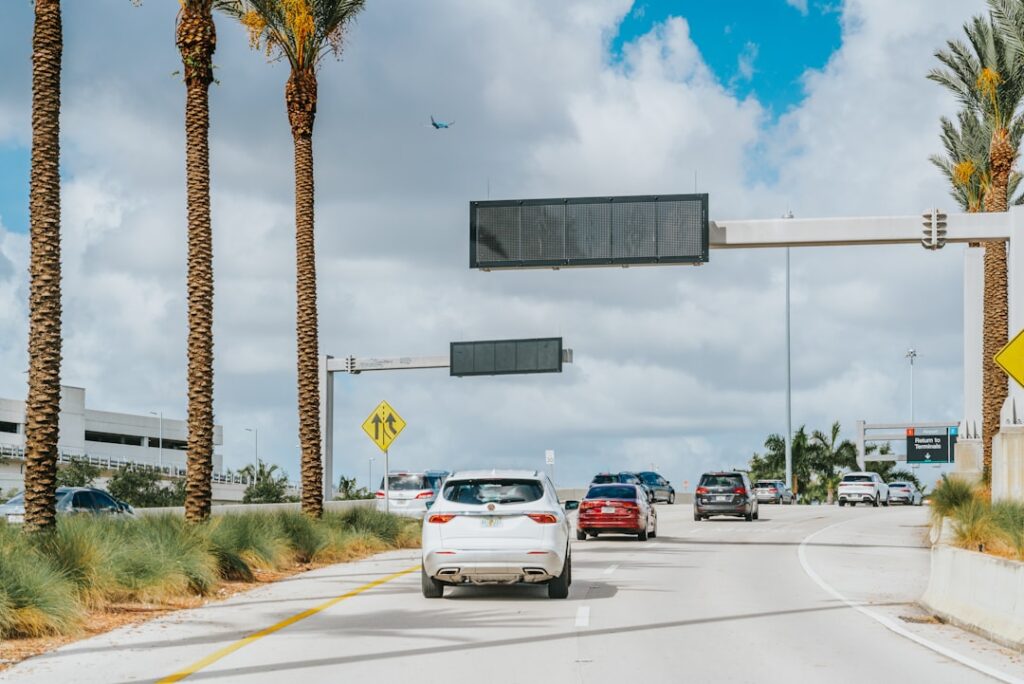
Additionally, businesses that support truck drivers, like truck stops and diners, may face changes.
Liability and insurance are also critical issues. The Insurance Information Institute notes that traditional commercial auto policies do not fit autonomous fleets, leading insurers to create new products that combine cyber-risk coverage with standard liability. These new policies often require carriers to undergo strict safety audits and continuous software updates, which may favor larger companies with more resources.
Infrastructure investment is another challenge. The Federal Highway Administration estimates that developing dedicated lanes and communication hubs will require billions in funding. However, the potential environmental benefits—a projected 20% reduction in greenhouse gas emissions from more efficient driving—could persuade policymakers to invest.
You may also like
 Government & Policy
California AG Targets OpenAI Over Cybersecurity Risks
California AG Rob Bonta has issued a subpoena to OpenAI as part of an investigation into cybersecurity risks associated with its AI technology.
Read More →Despite these challenges, the industry’s outlook is cautiously optimistic. Consulting firms like McKinsey & Company believe the transition will be gradual, with a mix of human-driven and autonomous trucks on the roads for at least a decade. This hybrid approach will allow for testing safety protocols, retraining workers, and refining regulations while enabling shippers to gain early efficiency benefits.
Clearly, the era of driverless big rigs is not a distant dream; it is becoming a reality that will transform American logistics, alter labor dynamics, and require a coordinated response from regulators, tech providers, and the workforce. The highways of the future promise to be quieter, smarter, and potentially more sustainable than ever before.
“`