No products in the cart.

Education Shapes Character Beyond Knowledge
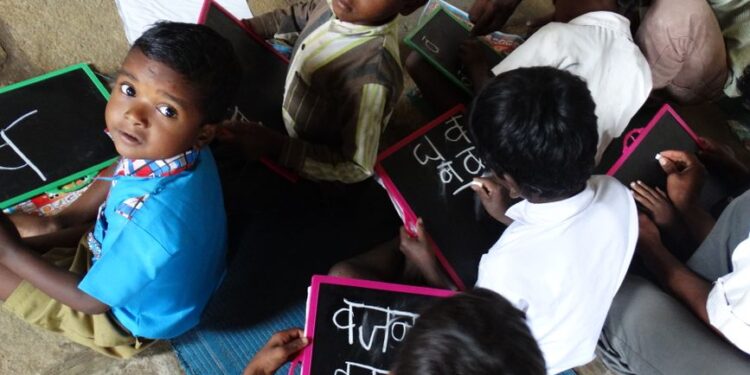
During the inauguration, President Murmu emphasized that education should build character alongside academic knowledge, marking a significant shift in India's higher education landscape.

India — President Droupadi Murmu inaugurated Jagadguru Kripalu University (JKU) on August 4, 2026. She emphasized that education should build character along with academic knowledge. This event is a key step in changing higher education in India. The goal is to blend Indian values with modern education to prepare socially responsible professionals.
During the inauguration, President Murmu said, “Education is not merely a means of acquiring knowledge; it is the foundation for character building, social transformation, and the creation of a prosperous future for the nation.” This highlights the growing need for schools to promote both intellectual growth and moral development. According to a report by the Economic Times, the President stressed the importance of aligning education with the cultural and ethical values of Indian society. This alignment is crucial for nurturing responsible citizens.
The Shift Towards Character Education
The focus on character education reflects a broader trend in educational policy in India. Institutions are urged to align their curricula with the values in the National Education Policy (NEP) 2020. This policy emphasizes holistic development, which includes academic skills, soft skills, and ethical values. The NEP aims to create an environment that fosters critical thinking, creativity, and social responsibility among students.
Career Ahead’s analysis shows that this shift is driven by changing expectations from employers and society. Employers want graduates with technical skills and strong interpersonal skills, integrity, and social responsibility. As a result, universities are urged to actively integrate character education into their programs. The President’s vision supports this demand, urging schools to prepare students for nation-building and social development.
JKU aims to fulfill this mandate by offering a curriculum that combines multidisciplinary education with industry-linked learning. This approach includes apprenticeships and hands-on learning opportunities. These will help students develop their technical skills and character. By doing so, JKU seeks to produce graduates who are employable and capable of positively impacting society. Practical experiences within the curriculum are vital, as they allow students to apply their knowledge in real-world situations, enhancing their understanding of social issues and ethical considerations.
The President’s vision supports this demand, urging schools to prepare students for nation-building and social development.
You may also like
 Education & University Insights
Centre of Excellence for Classical Pali Launched
The Centre aims to enhance the study and preservation of the Pali language, focusing on its significance in Buddhist literature and philosophy.
Read More →Moreover, the focus on character education aligns with the University Grants Commission’s (UGC) new accreditation standards. These standards prioritize institutions that commit to holistic education. This regulatory shift will influence how universities design their programs and assess student outcomes. As reported by the Economic Times, the UGC plans to introduce guidelines that encourage universities to adopt character-building initiatives, reinforcing this approach in higher education.
Implications for Curriculum Developers
For curriculum developers in higher education, the call for character education presents challenges and opportunities. As institutions like JKU implement these changes, curriculum developers must create programs that effectively integrate character-building components into existing frameworks. This integration is essential to ensure students are academically proficient and equipped with the necessary values and ethics for their future roles in society.
Career Ahead research identifies effective methods for integrating character education into higher education curricula. These methods include project-based learning, community service initiatives, and mentorship programs that connect students with role models. Such initiatives enhance students’ academic experiences and instill values like empathy, teamwork, and ethical decision-making. Community service, in particular, allows students to engage with societal challenges directly, fostering a sense of responsibility and commitment to public service.
Additionally, institutions must assess character development alongside traditional academic metrics. This requires developing new evaluation methods to measure students’ growth in leadership, ethical reasoning, and social responsibility. As universities adopt these holistic assessment strategies, they must ensure faculty are trained to recognize and foster character development in students. This training is vital for creating a culture that values character as much as academic achievement.

This requires developing new evaluation methods to measure students’ growth in leadership, ethical reasoning, and social responsibility.
Furthermore, as the demand for soft skills rises in the job market, universities must prepare students to meet these expectations. Programs emphasizing collaboration, communication, and critical thinking will be essential for equipping graduates to thrive in diverse professional environments. This shift will contribute to a more adaptable and resilient workforce capable of navigating the complexities of the modern economy. The focus on character education may also lead to innovative partnerships between universities and industries, creating pathways for students to gain practical experience while developing their ethical frameworks.
The implications of President Murmu’s vision for character education extend beyond individual institutions. As universities across India adopt similar frameworks, we may see a transformation in the overall educational landscape. This shift could lead to a generation of graduates who are skilled professionals and engaged citizens committed to social change.
You may also like
 Education & University Insights
Delhi University Eases Promotion Rules for 2025-26 Batch
Delhi University has relaxed its promotion criteria for the 2025-26 academic year, allowing students to advance without meeting the previous credit requirements. This decision has…
Read More →Moreover, integrating character education into higher education aligns with global trends. Educational institutions are increasingly seen as key players in addressing societal challenges. Universities are recognized for their potential to contribute to sustainable development and social equity, enhancing their relevance in today’s world. As this movement gains momentum, it is likely to attract attention from policymakers, educators, and industry leaders. Collaboration between universities and the private sector to foster character development initiatives could create new pathways for students to engage with their communities and build meaningful careers.
Ultimately, the focus on character building within education may redefine success in higher education. Instead of measuring outcomes solely based on employment rates or academic achievements, institutions may prioritize developing ethical leaders. These leaders can navigate complex moral landscapes and contribute to the greater good. The question remains: how will universities adapt to these evolving expectations, and what innovative approaches will emerge to ensure character education becomes integral to the academic experience? As institutions like JKU lead the way, the future of higher education in India may be on the brink of significant transformation.
Frequently Asked Questions
What are effective methods for integrating character education in higher education?
Career Ahead research finds that effective methods include project-based learning, community service initiatives, and mentorship programs. These approaches help students develop both academic and character skills essential for their future careers.
These approaches help students develop both academic and character skills essential for their future careers.
How will UGC’s focus on character building affect university accreditation?
The UGC’s emphasis on character education is likely to influence accreditation standards. This will prioritize institutions that demonstrate a commitment to holistic education, encouraging universities to adopt character-building initiatives in their curricula.

What skills should curriculum developers prioritize in light of recent educational policies?
Curriculum developers should focus on integrating soft skills such as communication, teamwork, and ethical reasoning into academic programs. This aligns with the growing demand for graduates who possess both technical and interpersonal skills.
You may also like
 Education & University Insights
France Student Protests Disrupt Funding and Mental Health
France is witnessing significant student protests demanding better educational standards and mental health support, reflecting a broader trend of youth activism globally.
Read More →