India’s economic outlook for FY27 faces serious threats from El Niño and below-normal monsoon conditions. HDFC Bank’s Managing Director, Sashidhar Jagdishan, emphasized these risks in a recent report, noting that these weather patterns could harm both growth and inflation rates.
El Niño can disrupt usual weather patterns, raising concerns among economists and agricultural analysts. India relies heavily on agriculture, so any change in expected rainfall can lower crop yields and worsen inflation. The National Oceanic and Atmospheric Administration (NOAA) has shown that El Niño events can cause significant climate shifts, which hurt agriculture in tropical regions like India.
Impact of El Niño on Agriculture
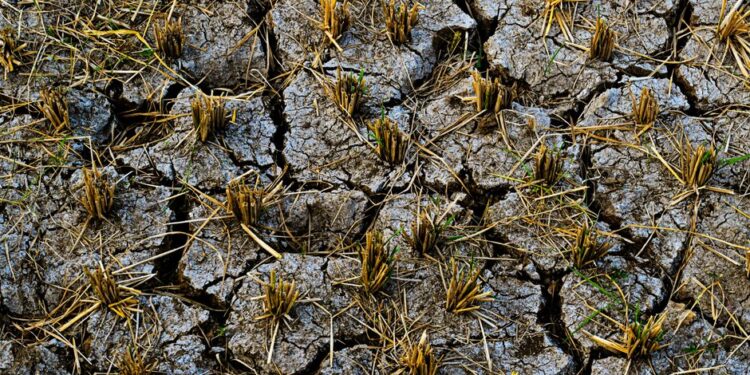
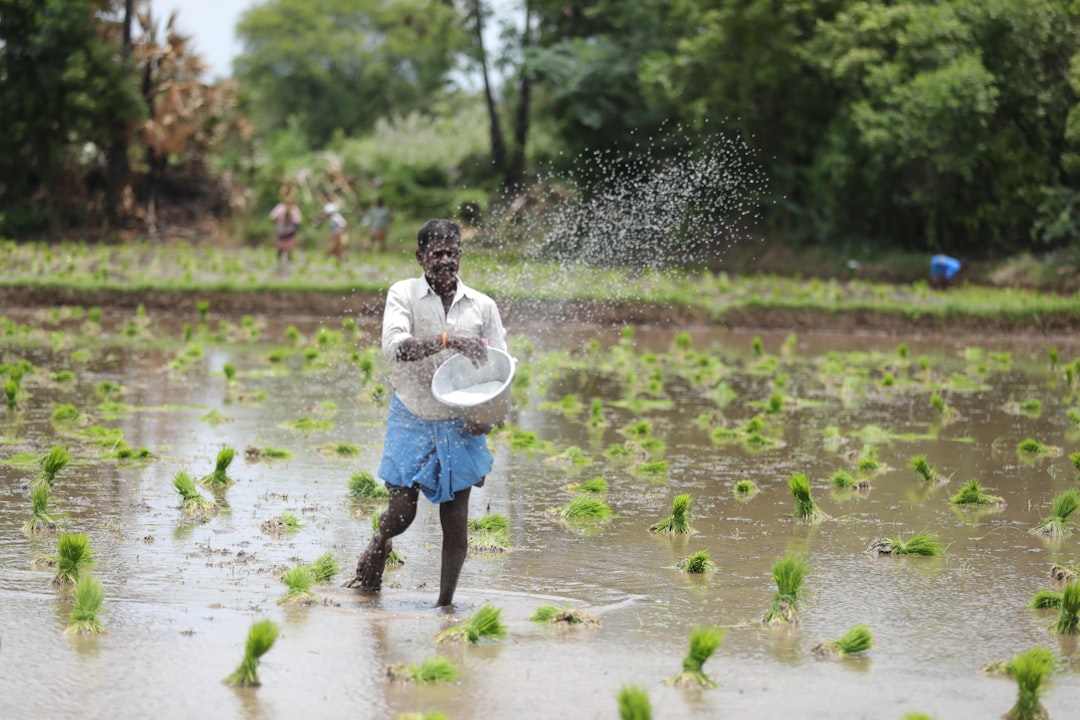
El Niño causes major fluctuations in weather, especially in tropical areas. The NOAA states that this phenomenon can create drier conditions in some places and excessive rainfall in others, disrupting agricultural cycles. In India, the monsoon season is vital for farming. A below-normal monsoon can severely impact crop yields, particularly for staple crops like rice and wheat. Historical data indicates that past El Niño events have led to lower agricultural output, resulting in higher food prices and inflation.
As agricultural analysts assess the potential impact of El Niño on crop production, uncertainty around weather patterns becomes crucial for economic forecasting. The Indian government and agricultural stakeholders must prepare for possible negative effects on food supply and prices, which could further strain the economy. For example, during the 2015 El Niño event, India saw significant reductions in agricultural output, leading to a sharp rise in food prices. This reflects the direct link between weather anomalies and economic stability.
Additionally, the agricultural sector’s vulnerability to weather changes underscores the need for robust risk management strategies. With El Niño potentially affecting yields and the livelihoods of millions of farmers, proactive measures are essential. The Indian government may need to enhance agricultural insurance schemes and invest in drought-resistant crop varieties to protect against future climate uncertainties.
The launch comes at a time when media consumption patterns are rapidly changing. Viewers increasingly prefer on-demand content and real-time updates, prompting networks like Bloomberg…
Additionally, the agricultural sector’s vulnerability to weather changes underscores the need for robust risk management strategies.
Inflation and Economic Growth Projections
The inflation outlook for FY27 is closely tied to agricultural performance. HDFC Bank’s report indicates that if El Niño causes below-normal monsoon conditions, inflation could rise significantly due to food prices. Analysis suggests that inflation rates could exceed the Reserve Bank of India’s target range if crop yields suffer. Historically, high inflation has been linked to poor agricultural performance in India. For instance, during the last major El Niño event in 2015, India experienced a spike in food prices, contributing to overall inflation.
Moreover, the relationship between inflation and economic growth becomes more complex with rising global prices and geopolitical tensions. Jagdishan noted that external financial market volatility and global trade fragmentation could also affect India’s economic stability. The recent global economic situation has seen supply chain disruptions and rising commodity prices, complicating India’s inflation outlook. The Reserve Bank of India’s efforts to maintain price stability may face challenges from these external pressures, requiring a careful balancing act in monetary policy.
Policy Responses and Future Considerations
Proactive policy measures from the Indian government and the Reserve Bank of India (RBI) will be vital in addressing these challenges. The RBI’s inflation targeting framework, renewed until 2031, aims to create a stable economic environment. However, the success of these measures will depend on actual agricultural performance in FY27. As agricultural analysts evaluate the potential fallout from El Niño, the focus must also shift to how the government can support farmers and ensure food security. This includes exploring crop insurance options and developing resilient agricultural practices to withstand extreme weather.
The economic implications of El Niño extend beyond agriculture and inflation. A significant decline in agricultural productivity could lead to broader economic challenges, such as reduced consumer spending and slower GDP growth. The agricultural sector constitutes a large part of India’s GDP, making its health crucial for overall economic performance. Additionally, rising inflation may prompt the RBI to adjust monetary policy, which can ripple through the economy. Higher interest rates could dampen investment and consumer spending, complicating growth prospects.
As India faces these challenges, economists and policymakers must remain vigilant. The changing global landscape, along with domestic weather patterns, requires adaptive strategies to protect economic stability. The interaction between these factors will likely shape the economic narrative in the coming months.
In September, the economy added just 150,000 jobs, a stark contrast to the 200,000 jobs analysts had predicted. This slowdown comes amid ongoing inflationary pressures,…
Policy Responses and Future Considerations Proactive policy measures from the Indian government and the Reserve Bank of India (RBI) will be vital in addressing these challenges.
Frequently Asked Questions
What are the expected inflation rates for FY27 due to El Niño?
Analysis suggests that inflation rates could rise above the Reserve Bank of India’s target range if El Niño leads to below-normal monsoon conditions, significantly impacting food prices.
How will agricultural yields be impacted by below-normal monsoon?
El Niño is likely to cause below-normal monsoon conditions, severely reducing agricultural yields, especially for staple crops. This reduction could lead to higher food prices and increased inflation.
What strategies should economists adopt to mitigate risks from weather-related economic changes?
Economists should closely monitor weather forecasts and agricultural outputs to adjust growth projections. Advocating for strong government support measures for farmers can help mitigate the effects of adverse weather conditions.



News
 News
News