No products in the cart.

Taiwan Advances Bilingual 2030 Initiative with Auburn University Expert Participation

Taiwan’s Bilingual 2030 program, launched in 2018, has added a research partnership with Auburn University’s College of Education, bringing international expertise to its bilingual curriculum reforms.

Taiwan’s government-led Bilingual 2030 program, launched in 2018, has added a research partnership with Auburn University’s College of Education. Associate Professor Jamie Harrison travelled to Taipei in July 2026 to advise on implementation and to coordinate case-study research.
The Taiwanese Ministry of Education announced the continuation of its Bilingual 2030 policy during a press briefing in Taipei on 5 May 2026, emphasizing expanded bilingual services beyond schools [2]. In the same month, Auburn University reported that Associate Professor Jamie Harrison arrived in Taiwan on 23 July 2026 to meet with education officials, school administrators, and local researchers [1]. The visit is part of a broader collaboration aimed at integrating international expertise into the nation’s bilingual curriculum reforms.
The partnership involves the Ministry of Education, the Taipei City Department of Education, and Auburn University’s College of Education. Jamie Harrison, whose research focuses on teacher preparation and curriculum design, led a series of workshops at two junior high schools in Taipei City. Those schools have been the subject of recent academic case studies that apply the FERTILE model to assess bilingual curriculum effectiveness [4]. The Taiwanese government’s Bilingual 2030 framework also calls for the bilingualization of public services, legal documents, and governmental communications, extending the policy’s scope beyond classroom instruction [2].
Policy Background and Objectives
Bilingual 2030 was introduced in 2018 with the stated goal of achieving a “bilingual nation” by the year 2030 [2]. The policy mandates that at least 60% of primary and secondary schools offer bilingual instruction in core subjects, primarily English and Mandarin. In addition to classroom instruction, the initiative requires that government websites, public signage, and official forms provide parallel language options to promote everyday bilingual usage [2].
Implementation guidelines released in 2020 outlined a phased approach: pilot programs in selected districts, professional development for teachers, and the creation of bilingual resource centers. Funding allocations for the 2024-2025 fiscal year increased by 12% to support curriculum materials and teacher training modules [2]. The Ministry of Education has also established a monitoring committee to evaluate progress against benchmarks such as student proficiency scores and the proportion of bilingual services in municipal offices [2].
During the visit, Harrison conducted three full-day workshops on curriculum alignment, assessment design, and professional development strategies for bilingual teachers [1].
Auburn University’s Role and Activities

Associate Professor Jamie Harrison of Auburn University’s College of Education specializes in comparative education and teacher education policy [1]. His July 2026 trip to Taiwan was organized through a memorandum of understanding signed between Auburn University and the Taiwanese Ministry of Education in early 2025 [1]. During the visit, Harrison conducted three full-day workshops on curriculum alignment, assessment design, and professional development strategies for bilingual teachers [1].
You may also like
 News
NewsIIT Madras Director Disguises Himself as Freshman; IIT Bombay Director Speaks at TechEDU Summit; IIT Indore Announces Innovation-Focused Strategy
Kamakoti participated in a freshman orientation incognito, a video of which went viral.
Read More →The workshops incorporated findings from a recent MDPI-published study that examined the implementation of bilingual curricula in two Taipei junior high schools using the FERTILE model, which assesses factors such as faculty readiness, instructional resources, and learner engagement [3][4]. Harrison presented comparative data from U.S. bilingual programs, highlighting instructional scaffolding techniques and formative assessment practices. Participants included school principals, department heads, and teachers from the pilot schools [1].
In addition to the workshops, Harrison co-authored a briefing paper summarizing best-practice recommendations for scaling bilingual instruction nationwide. The paper, scheduled for release by the Ministry of Education in September 2026, outlines a phased teacher-certification pathway, resource-sharing platforms, and mechanisms for community feedback [1].
Implementation Progress in Taipei
The two junior high schools featured in the case study—Taipei Municipal Chenggong Junior High and Taipei Municipal Zhongzheng Junior High—began bilingual curriculum pilots in the 2022-2023 academic year [4]. According to the MDPI article, both schools reported an average increase of 0.8 points on the English proficiency component of the national standardized test after the first year of implementation [3]. Teacher surveys indicated a 15% rise in confidence when delivering content in English, attributed to targeted professional development and the availability of bilingual teaching aids [4].
The FERTILE model assessment highlighted three primary challenges: limited availability of bilingual textbooks, uneven distribution of language-proficient teachers, and the need for consistent assessment standards across schools [4]. Recommendations from the study include expanding the bilingual textbook repository, establishing a centralized teacher-exchange program, and adopting a unified assessment rubric aligned with international benchmarks [4].
Impact on Students, Educators, and Policy Makers
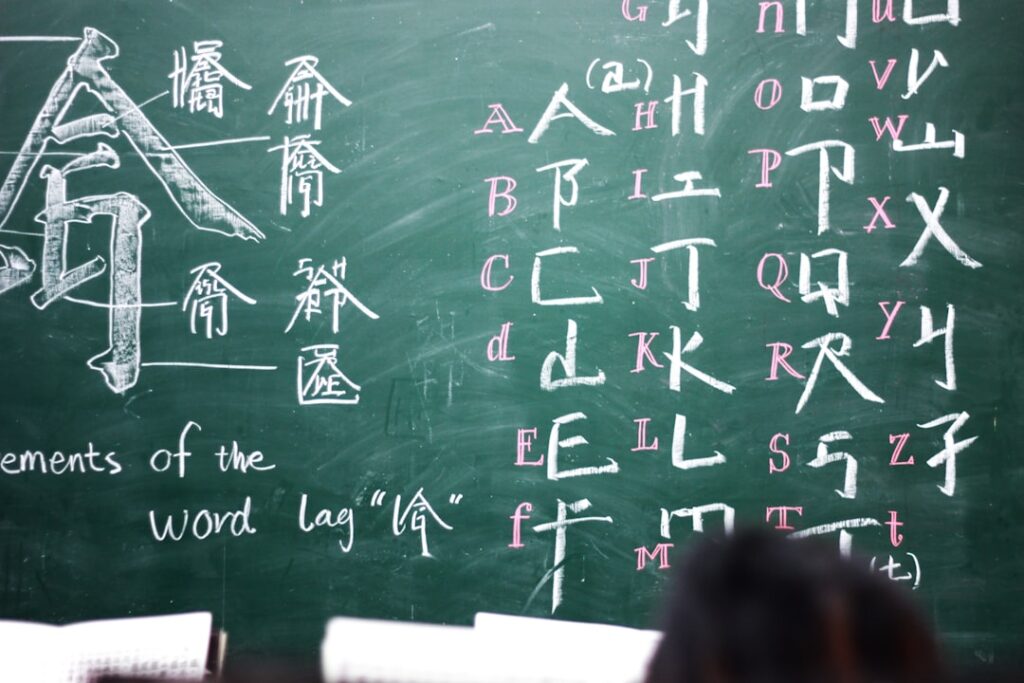
The ongoing Bilingual 2030 effort directly affects current students in Taiwan by increasing exposure to English-medium instruction in subjects such as mathematics, science, and social studies. For educators, the initiative introduces new professional development requirements and offers opportunities to collaborate with international scholars, exemplified by the Auburn University partnership [1].
Teacher surveys indicated a 15% rise in confidence when delivering content in English, attributed to targeted professional development and the availability of bilingual teaching aids [4].
Policy makers at the municipal and national levels receive data-driven insights from the case studies and the Auburn-led briefing paper, informing decisions on resource allocation and curriculum standards. The bilingualization of government services also benefits citizens who interact with public agencies, as dual-language documentation becomes more widely available [2].
You may also like
 News
NewsSingapore’s Digital Banking Expansion Extends Into Education Sector
Singapore’s digital banking expansion is prompting formal collaborations with schools and universities to embed fintech competencies into curricula.
Read More →The collaboration underscores Taiwan’s commitment to integrating external expertise while maintaining domestic research leadership. By aligning local case-study findings with international best practices, the initiative aims to meet its 2030 bilingual proficiency targets within the established policy timeline [2][3].
Key Facts
What: Taiwan’s Bilingual 2030 program adds a research partnership with Auburn University’s Associate Professor Jamie Harrison.
When: Initiative launched in 2018; Harrison’s Taiwan visit occurred 23 July 2026; policy updates reported 5 May 2026.
Impact: Students receive expanded bilingual instruction; teachers gain new professional development; government services move toward bilingualization.
Impact: Students receive expanded bilingual instruction; teachers gain new professional development; government services move toward bilingualization.
You may also like
 News
NewsIndia’s Prime Minister Narendra Modi Launches Instagram Campaign to Reach Young Voters
Prime Minister Narendra Modi began posting raw‑style Instagram reels on August 6, 2026, targeting India's Gen Z electorate after youth job protests.
Read More →Sources
- Auburn College of Education faculty member contributes expertise, leads research in Taiwan – Auburn University News
- Taiwan’s Bilingual 2030: beyond the classroom – Taipei Times
- The Implementation of Bilingual Education in Taiwan: A Case Study of Two Junior High Schools with a Bilingual Curriculum in Taipei City Using the FERTILE Model – MDPI