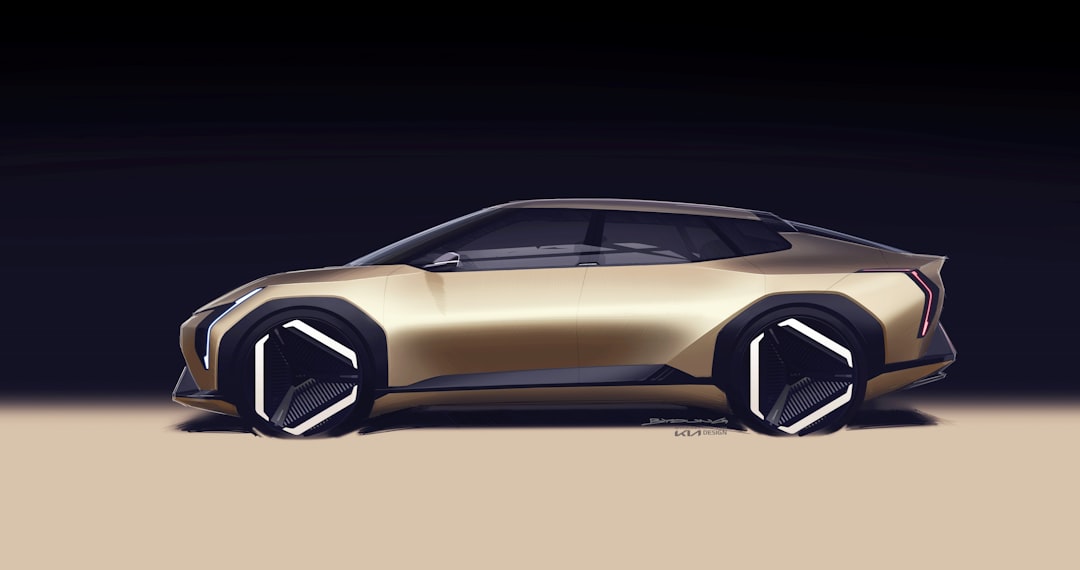
India's electric vehicle (EV) market has experienced a remarkable surge, with sales growing by 25% in the year ending March 2026, largely driven by rising fuel costs and changing consumer preferences.
India’s electric vehicle (EV) market has experienced a remarkable surge, with sales growing by 25% in the year ending March 2026. This increase is largely attributed to rising fuel costs, which have prompted consumers to consider EVs as a viable alternative. The adoption of electric cars has crossed the 5% threshold in India’s passenger vehicle market, marking a pivotal moment for mass-market acceptance.
The rising fuel prices have been a significant driver of this trend. India, which imports nearly 90% of its oil, has seen state-run fuel retailers raise pump prices after keeping them stable for four years. The recent increase in crude prices by 50% has further exacerbated the situation, leading to calls from Prime Minister Narendra Modi for citizens to conserve fuel by carpooling and using public transport. This context has created a conducive environment for EV adoption, as consumers seek cost-effective alternatives.
Market Dynamics and Consumer Behavior
The shift in consumer behavior towards electric vehicles is evident. Many buyers are now looking at larger EV models, particularly those priced above one million rupees (approximately $10,481). In this segment, one in every ten vehicles sold is now electric. This trend indicates a growing acceptance of EVs among consumers who are increasingly aware of the long-term cost savings associated with electric vehicles. According to a report by KPMG, the Indian EV market is expected to grow significantly, driven by rising fuel costs and increasing consumer awareness about environmental sustainability.
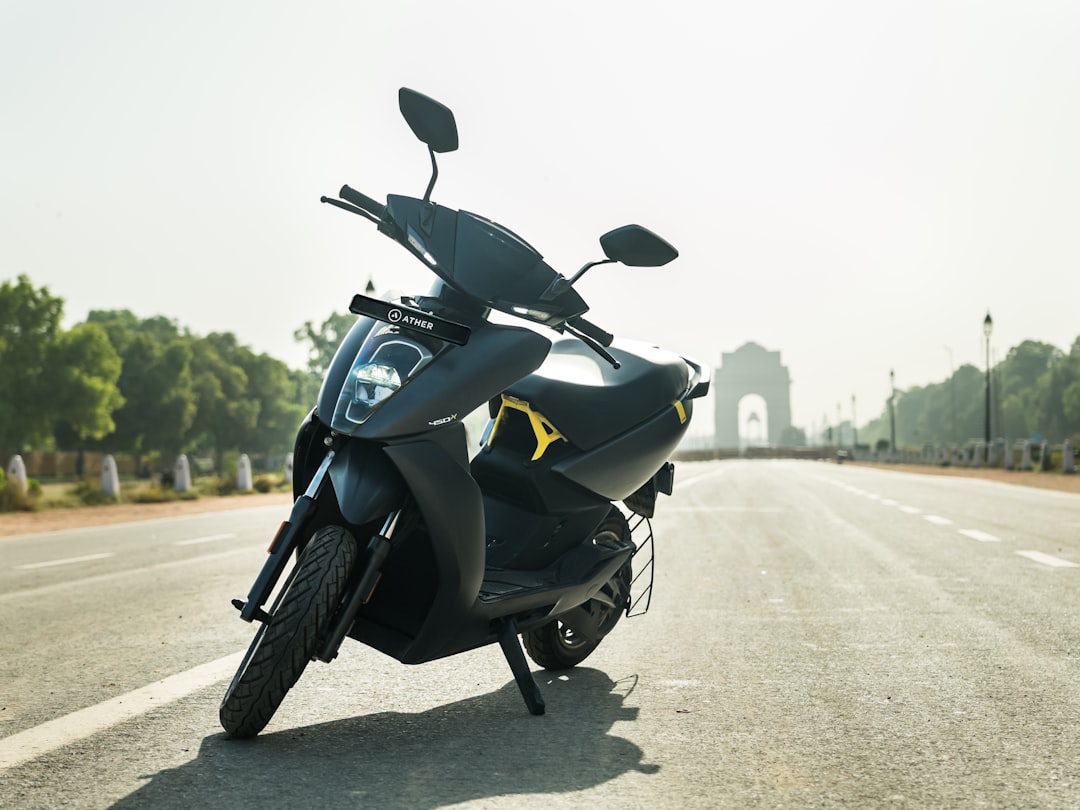
Electric three-wheelers and motorbikes are also experiencing significant growth, with their sales accounting for over 30% and 15% of their respective categories. This shift is not just a reaction to fuel prices but also reflects a broader change in consumer attitudes towards sustainable transport options. As more people recognize the financial and environmental benefits of EVs, the market is likely to continue expanding. The Indian Automobile Dealers Association has noted that the demand for electric two-wheelers is particularly strong, as consumers look for affordable and efficient modes of transport.
Career Ahead’s analysis identifies that this consumer shift is not merely a temporary trend but part of a larger movement towards sustainability. The upcoming regulatory norms, known as CAFE-3, which will tighten emissions standards and are set to be implemented from April 2027, are expected to further accelerate the transition to electric vehicles. These regulations will impose stricter penalties for manufacturers who do not comply, creating a more competitive environment that favors EVs. This regulatory push aligns with the government‘s vision to reduce carbon emissions and promote cleaner energy sources, as highlighted in recent statements from the Government of India.
Electric three-wheelers and motorbikes are also experiencing significant growth, with their sales accounting for over 30% and 15% of their respective categories.
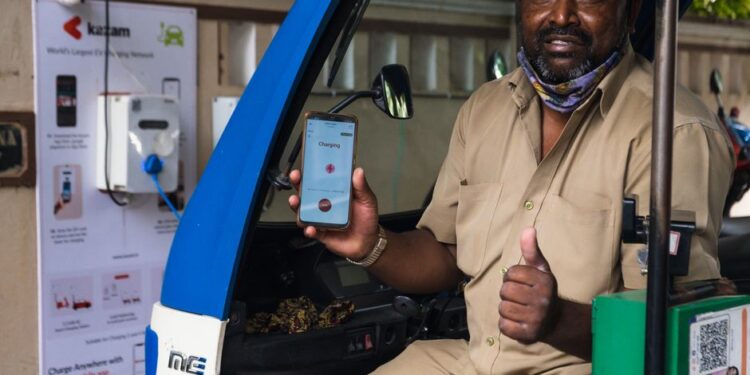
However, despite these positive indicators, the market still faces significant challenges. The uneven distribution of charging infrastructure across India is a major concern. While the number of public charging stations has increased from 2,000 to over 10,000 in the past three years, this growth is not uniform. Only four of India’s 28 states account for over 50% of the charging points, leading to what is known as “range anxiety” among potential EV buyers. As reported by BBC, this disparity in infrastructure development poses a significant barrier to widespread EV adoption, as consumers remain hesitant to invest in electric vehicles without adequate charging options.
Moreover, the gap between India and China in terms of charging infrastructure is stark. China boasts around 20 million public charging points, compared to India’s 10,000. This discrepancy highlights the urgent need for infrastructure developers to expand their networks and ensure that consumers have access to reliable charging facilities. The lack of sufficient charging stations is a critical factor that could hinder the growth of the EV market, as potential buyers may be deterred by the fear of running out of charge during their journeys.
Challenges in the EV Ecosystem
In addition to infrastructure issues, the Indian EV market is grappling with supply chain challenges. The country heavily relies on imports for critical components used in EV batteries, including lithium and cobalt. Currently, China dominates the global supply chain for these materials, controlling 70-80% of lithium and cobalt refining. This dependence poses geopolitical risks that could delay India’s EV rollout and impact cost competitiveness. As highlighted by Nomura, securing a stable supply of these essential materials is crucial for the sustainability of India’s electric vehicle ambitions.
Career Ahead research finds that building a robust local supply chain for battery production is crucial for India’s long-term EV strategy. While the government has announced plans to ramp up local production, establishing an integrated supply chain from mining to battery manufacturing could take over a decade. In the short term, India must focus on securing supply chains while simultaneously developing domestic capabilities. The government’s initiatives to promote local manufacturing through incentives and subsidies are steps in the right direction, but the execution of these plans will be critical to their success.
The upcoming CAFE-3 regulations are expected to provide some clarity and direction for manufacturers, which could stimulate investment in local production capabilities. However, the lack of regulatory certainty has previously caused manufacturers to defer investment decisions, leading to a slower evolution of supply chains and the broader EV ecosystem. As manufacturers navigate these challenges, the consumer market will likely continue to evolve. Innovations in battery technology and the introduction of more affordable EV models will play a significant role in attracting a broader customer base. The anticipated increase in EV penetration in India’s passenger vehicle market could reach 9% by 2030, driven by a mix of regulatory support, consumer demand, and advancements in technology.
Schneider Electric's aggressive investments in automation are reshaping the industry landscape in Europe. This shift is set to create significant job opportunities for automation engineers…
Career Ahead research finds that building a robust local supply chain for battery production is crucial for India’s long-term EV strategy.
Ultimately, the future of electric vehicles in India hinges on the successful resolution of these challenges. The interplay between rising fuel prices, regulatory changes, and consumer behavior will shape the trajectory of the EV market, making it a critical area to watch in the coming years. As the market matures, one question remains: will India be able to overcome its infrastructural and supply chain hurdles to fully capitalize on the growing demand for electric vehicles?
Frequently Asked Questions
What are the best electric vehicles to buy in India right now?
Career Ahead analysis identifies several top electric vehicles available in India, including the Tata Nexon EV, MG ZS EV, and Hyundai Kona Electric. These models are popular for their range, affordability, and features, making them suitable choices for consumers looking to switch to electric vehicles.
How can infrastructure developers prepare for the EV market boom?
Infrastructure developers should focus on expanding charging networks across India, particularly in underserved regions. Collaborating with local governments and private sectors to establish charging stations will be crucial in addressing range anxiety and supporting the growing EV market.
What should consumers consider when switching to electric vehicles?
Consumers should evaluate their driving habits, charging options, and the total cost of ownership when considering an electric vehicle. Understanding the availability of charging infrastructure and potential savings on fuel and maintenance can help inform their decision.



Industry & Global Trends
Industry & Global Trends