No products in the cart.

AI-Driven Predictive Maintenance: Shaping Careers in Airlines
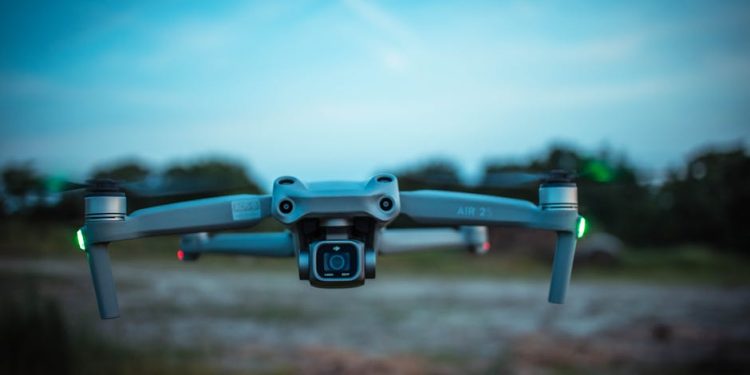
AI is reshaping airline careers through predictive maintenance, enhancing safety and creating job opportunities in aviation engineering.

Seattle, USA — The airline industry is undergoing a significant transformation, driven by artificial intelligence (AI) and predictive maintenance. These innovations are not only enhancing operational efficiency but also creating a new wave of career opportunities in aviation engineering.
As airlines strive to improve safety and reduce costs, the integration of AI technologies has become paramount. Predictive maintenance, which uses AI algorithms to analyze vast amounts of data from aircraft systems, helps identify potential issues before they become critical. This proactive approach minimizes downtime and maintenance costs, ensuring that airlines can maintain high safety standards while optimizing their operations.
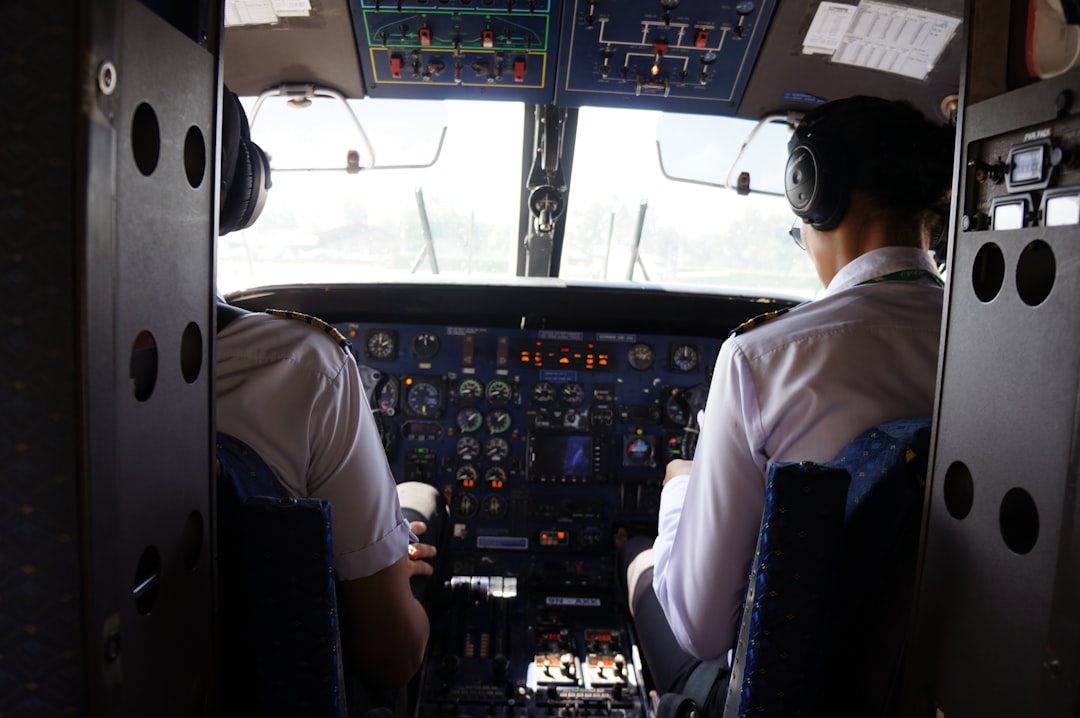
According to a report by the International Air Transport Association (IATA), the global airline industry is expected to reach a value of $1 trillion by 2026, with a significant portion of this growth attributed to advancements in technology, including AI. This surge presents a myriad of career opportunities for young professionals eager to enter the field.
One key area of growth is in data analytics. Airlines are increasingly seeking professionals who can interpret complex datasets to improve maintenance schedules and predict equipment failures. For instance, Delta Air Lines has invested heavily in AI-driven predictive maintenance systems, employing data scientists and engineers to analyze data from thousands of flight hours. This investment has led to a reported 30% reduction in maintenance costs over the past five years[1].
This surge presents a myriad of career opportunities for young professionals eager to enter the field.
Moreover, companies like Boeing are expanding their workforce to include more AI specialists. The company recently announced plans to hire over 5,000 engineers to support its digital transformation initiatives[2]. This demand reflects a broader trend in the aviation sector, where traditional roles are evolving to include a stronger focus on technology and data.
You may also like
 AI & Technology
Higher education reallocates capital to digital platforms
The analysis that follows dissects the mechanisms, systemic implications, and stakeholder outcomes.
Read More →However, the transition to AI-driven operations raises questions about workforce readiness. Educational institutions are responding by updating curricula to include AI and machine learning courses specifically tailored for aviation. The University of Southern California’s Viterbi School of Engineering, for example, has launched a new program focusing on AI applications in aerospace engineering[3]. This initiative aims to equip students with the necessary skills to thrive in a rapidly changing job market.
Nonetheless, there are challenges. The implementation of AI in aviation may lead to job displacement for certain roles traditionally held by human technicians. While predictive maintenance can enhance efficiency, it may also require fewer personnel in certain maintenance functions, raising concerns about job security. However, industry experts argue that the overall growth of the sector will create new positions that prioritize human oversight of AI systems. As companies invest in technology, the demand for skilled workers who can integrate AI into existing processes is expected to rise.
Furthermore, the ethical implications of AI deployment in aviation cannot be overlooked. As airlines increasingly rely on algorithms to make decisions about maintenance and safety, concerns about bias in AI systems and the transparency of these technologies come to the forefront. Ensuring that AI systems operate fairly and transparently will be critical in maintaining public trust in the aviation industry.
Looking ahead, the future of careers in the airline industry will be heavily influenced by advancements in AI and predictive maintenance. The need for professionals who can merge engineering expertise with data analytics skills will only grow. As airlines continue to embrace digital transformation, opportunities will abound for those willing to adapt and learn.
Educational institutions are responding by updating curricula to include AI and machine learning courses specifically tailored for aviation.
In conclusion, the intersection of AI and aviation presents a promising landscape for career development. Young professionals eager to enter the field should focus on acquiring skills in data analysis, machine learning, and AI technologies. Those who do will not only find rewarding careers but also play a pivotal role in shaping the future of the airline industry.
You may also like
 AI & Technology
OpenAI in Talks With UAE Funds, BlackRock for $30 Billion Round
OpenAI is negotiating a $30 billion funding round with BlackRock and UAE funds, which could reshape the AI startup ecosystem and attract significant investments in…
Read More →