No products in the cart.

Exploring the Advancements of Meta’s AI Agent Muse
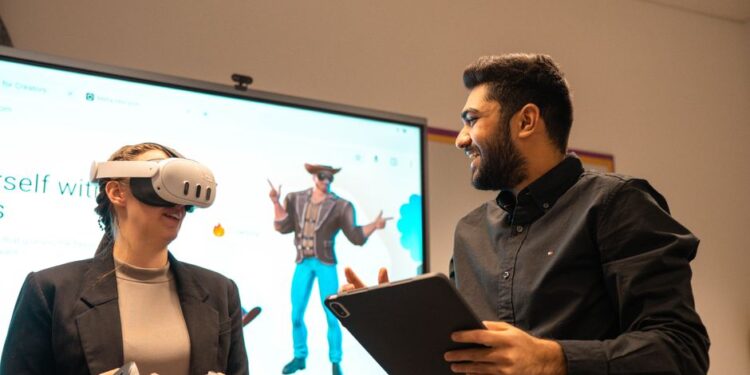
Meta has introduced significant updates to its AI agent Muse, enhancing user interaction through features like a digital avatar and integration with smart glasses, positioning it as a competitive player in the global AI landscape.

Meta has unveiled significant updates to its AI agent Muse, enhancing its capabilities to improve user interaction and integration with various tech products. At the recent Connect event, CEO Mark Zuckerberg highlighted these advancements, showcasing Muse as a central element in Meta’s vision for consumer AI. This development comes just weeks after Muse’s initial launch in early September 2026.
The new features of Muse include a digital avatar, real-time communication capabilities, and integration with smart glasses, making it a versatile tool for users. As AI continues to evolve, these enhancements could reshape how users interact with technology, particularly for product managers and AI researchers.
Transformative Features of Muse AI Agent
One of the standout features introduced is the Muse Realtime Avatar, which allows users to engage in live conversations with a digital representation of their AI agent. This capability, demonstrated during the Connect event, aims to make interactions more personable and engaging. Users can assign tasks and ask questions directly to their avatar, which adds a layer of interactivity previously unseen in AI agents. According to TechCrunch, the avatar, named Jolly, is designed to handle everyday tasks by connecting to users’ apps and services, including email and calendars, thus becoming an integral part of daily life.
Moreover, Muse will also be integrated into Meta’s smart glasses. This integration enables users to communicate with Muse simply by speaking to their glasses, activating the agent with a wake word. This feature allows users to manage their daily tasks seamlessly while on the go, such as logging meals, scheduling appointments, or even guiding them through workouts. Such capabilities position Muse as a personal assistant that can operate in the background, enhancing productivity without requiring constant user input. The hands-free functionality of smart glasses, coupled with Muse’s capabilities, represents a significant leap in user convenience, as noted by AndroGuider, which emphasized the potential for AI to streamline daily routines.
Meta’s partnerships with major retailers like Shopify, Best Buy, and Sephora further enhance Muse’s utility in e-commerce. Muse will be able to access extensive product catalogs and facilitate purchases directly, streamlining the shopping experience for users. This integration reflects a growing trend toward AI personalization in consumer technology, where the focus is on making AI more accessible and user-friendly. The ability to make purchases through voice commands or simple interactions with the avatar could revolutionize how consumers approach online shopping, making it more intuitive and less time-consuming.
This feature allows users to manage their daily tasks seamlessly while on the go, such as logging meals, scheduling appointments, or even guiding them through workouts.
You may also like
 AI & Technology
Solo founders and AI reshape MSME landscape
According to Career Ahead's analysis of the INSEAD five‑trend forecast, AI integration is reshaping venture capital allocation toward platform‑centric MSMEs.
Read More →The announcement also included plans for Muse to operate on Mac computers, allowing users to delegate tasks across various applications. This capability signifies a shift toward a more integrated digital workspace where AI can assist in managing multiple tasks simultaneously. As product managers look to enhance user experience, Muse’s features could serve as a model for developing more intuitive AI solutions across other platforms. The seamless integration across devices is crucial, as it allows users to maintain continuity in their interactions with Muse, regardless of the device they are using.
These innovations position Muse as a competitive player in the rapidly evolving AI landscape, challenging existing solutions from companies like OpenAI and Anthropic. Career Ahead analysis finds that as Meta continues to develop Muse, its emphasis on user-friendly features could set a new standard for AI interactions in personal and professional settings. The focus on creating a more relatable and engaging AI experience could potentially lead to higher user satisfaction and trust, which are critical factors in the adoption of AI technologies.
Implications for Product Managers and AI Researchers
The updates to Muse carry significant implications for product managers, particularly in how they approach user engagement and experience design. With the introduction of features like the Realtime Avatar and smart glasses integration, product managers must consider how to incorporate similar functionalities into their products. The ability to provide a more engaging and personalized user experience will likely become a key differentiator in the market. As noted in the TechCrunch article, the integration of Muse into everyday devices signifies a shift in user expectations, pushing product managers to innovate continuously to meet these demands.
Moreover, the integration of AI agents into everyday devices, such as smart glasses, signals a shift in how users interact with technology. As more consumers adopt these devices globally, product managers need to strategize on how to leverage AI to enhance usability and accessibility. This includes understanding user preferences and behaviors to tailor AI interactions that feel natural and intuitive. The challenge lies in balancing advanced functionality with simplicity, ensuring that users can easily engage with AI without feeling overwhelmed by technology.
For AI researchers, the advancements in Muse present an opportunity to explore new methodologies in AI development. The focus on creating more personable and relatable AI agents can drive research into emotional intelligence in AI, which is crucial for enhancing user trust and satisfaction. Researchers may also look into the technical challenges of real-time interactions and how to optimize AI performance in various contexts. The emphasis on emotional intelligence aligns with the broader trend of making AI more human-like in its interactions, which could lead to more meaningful connections between users and AI systems.
As AI continues to permeate various aspects of life globally, understanding how to create seamless interactions across different platforms will be essential for future developments.

Additionally, the partnerships Meta has established with retailers and service providers suggest an evolving ecosystem where AI agents can facilitate transactions and interactions across platforms. This trend could inspire AI researchers to explore how AI can enhance cross-platform functionality and interoperability, paving the way for more cohesive user experiences. As AI continues to permeate various aspects of life globally, understanding how to create seamless interactions across different platforms will be essential for future developments.
You may also like
 AI & Technology
Launch of UK’s ‘largest AI supercomputer’ delayed
The supercomputer, located in Loughton and developed by the startup Nscale, was touted as a key element of the UK government’s AI strategy.
Read More →Overall, the developments surrounding Muse reflect a growing emphasis on personalization in AI technology. As product managers and AI researchers adapt to these changes, they must remain focused on creating solutions that prioritize user engagement and satisfaction. The integration of AI into daily life is not just about functionality; it’s about creating experiences that resonate with users on a personal level.
As Meta continues to roll out these features, the question remains: how will competitors respond, and what new innovations will emerge in the AI landscape? The future of AI interactions is poised for exciting developments, and staying ahead of these trends will be essential for both product managers and researchers alike.
Frequently Asked Questions
What are the new capabilities of Meta’s AI agent Muse?
Meta’s AI agent Muse now features a digital avatar for real-time interactions, integration with smart glasses for hands-free communication, and partnerships with retailers for seamless shopping experiences. These enhancements aim to improve user engagement and productivity.
What should AI researchers consider when working with Meta’s Muse?
How can product managers leverage Muse for better user experience?
Product managers can utilize Muse’s new features, such as the Realtime Avatar and smart glasses integration, to create more engaging and personalized user experiences. By incorporating similar functionalities, they can differentiate their products in a competitive market.

What should AI researchers consider when working with Meta’s Muse?
AI researchers should focus on the implications of Muse’s personalized interactions and explore methodologies that enhance emotional intelligence in AI. Additionally, they can investigate the technical challenges of real-time communication and cross-platform functionality.
You may also like
 AI & Technology
Meta’s Controversial Glasses Ignite Wearable Tech Innovation
The backlash against Meta's 'pervert glasses' highlights the urgent need for wearable tech developers to prioritize ethical design. As privacy concerns grow, innovation may emerge…
Read More →