No products in the cart.

India-New Zealand FTA Transforms Agricultural Exports
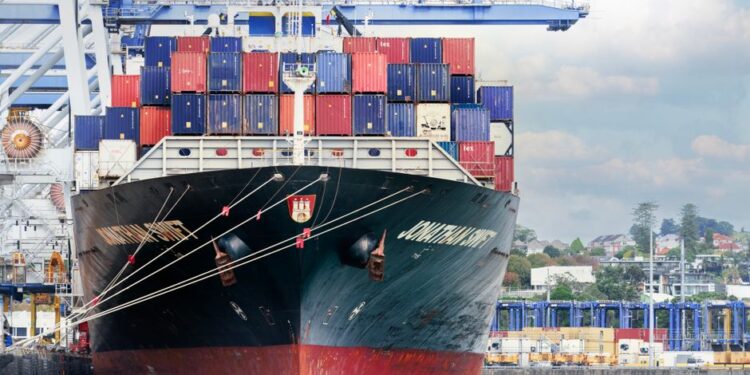
The India-New Zealand Free Trade Agreement marks a significant shift for Indian agricultural exporters, offering reduced tariffs and increased market access. This deal compels trade negotiators and export managers to rethink their strategies to maximize benefits from the FTA.

India and New Zealand have signed a Free Trade Agreement (FTA) that will take effect on October 20, 2026. This agreement aims to improve trade relations between the two countries by focusing on reducing tariffs and increasing market access for Indian agricultural products.
The FTA is significant because it grants India duty-free access for 100% of its exports to New Zealand. This concession will benefit various sectors, especially agriculture, which is vital to India’s economy. Currently, bilateral trade is valued at $1.1 billion, and this deal aims to double that figure by 2030, demonstrating a strong commitment to enhancing trade ties.
Tariff Reductions: Boosting Competitiveness for Indian Exports
The India-New Zealand FTA introduces major tariff reductions on many Indian agricultural products. This could greatly improve the competitiveness of Indian exports in New Zealand. Key agricultural exports like textiles, pharmaceuticals, and minerals are expected to benefit significantly from these concessions.
For instance, textiles account for about 14% of India’s exports to New Zealand, while pearls and semi-precious stones make up another 5%. The pharmaceutical sector, which constitutes a third of India’s exports, will gain immensely from duty-free access, allowing Indian firms to penetrate New Zealand’s healthcare market more effectively.
Moreover, the FTA has excluded sensitive sectors like dairy from tariff concessions, enabling India to protect its domestic industries while still benefiting from other agricultural exports. This careful negotiation reflects India’s priorities and the need to balance domestic interests with international trade opportunities.
According to data from NSE India, the FTA is expected to create new opportunities for micro, small, and medium enterprises (MSMEs) in India. These businesses, which are a significant part of the agricultural export sector, will benefit from lower costs and increased market access, allowing them to expand operations and reach new customers.
These businesses, which are a significant part of the agricultural export sector, will benefit from lower costs and increased market access, allowing them to expand operations and reach new customers.
Furthermore, the agreement facilitates investments of up to $20 billion in India over the next 15 years. This investment can strengthen agricultural infrastructure and innovation, which is crucial for improving productivity and ensuring sustainable agricultural practices in India.
Market Access: New Opportunities for Indian Farmers
The FTA not only reduces tariffs but also increases market access for Indian agricultural products. This is especially beneficial for farmers and exporters looking to diversify their customer base. Research indicates that increased market access can lead to higher incomes for farmers, enabling them to invest in better farming practices and technologies.
New Zealand has strict quality standards, and Indian exporters will need to adapt to meet these requirements. While this presents a challenge, it also offers an opportunity for Indian agricultural producers to enhance product quality and branding. By complying with international standards, Indian products can gain a reputation for quality, opening doors to other markets beyond New Zealand.
The FTA also includes provisions for labor mobility, allowing Indian workers and students to access opportunities in New Zealand. This is significant as many countries are tightening immigration policies. By facilitating labor mobility, the FTA can help address labor shortages in New Zealand’s agricultural sector while providing Indian workers with valuable international experience.

The FTA also includes provisions for labor mobility, allowing Indian workers and students to access opportunities in New Zealand.
Strategic Adjustments for Exporters
The India-New Zealand FTA requires Indian exporters to reevaluate their strategies in light of the new opportunities and challenges presented by this agreement. Exporters will need to enhance supply chain efficiency and product quality to meet New Zealand’s demands.
Moreover, the FTA’s investment provisions can spur innovation in agricultural practices, which is crucial as Indian farmers face challenges related to climate change and resource management. By leveraging the investment opportunities from the FTA, Indian agriculture can adopt more sustainable practices, improving resilience against environmental challenges.
Export managers must also stay updated on the changing regulatory landscape in New Zealand. Understanding compliance requirements and ensuring products meet these standards will be critical for success. This may involve investing in training for staff to equip them with the necessary knowledge and skills.
As the FTA unfolds, Indian exporters should monitor market trends and consumer preferences in New Zealand. This proactive approach can help them adapt their offerings to meet New Zealand consumers’ demands, further enhancing their market position.
Risks, Trade-Offs, and What Comes Next
The India-New Zealand FTA presents a transformative opportunity for Indian agricultural exporters. However, it also necessitates a strategic approach to navigate the complexities of the new market. The coming months will be crucial as exporters adapt to these changes and explore the full potential of this agreement.
Building partnerships with local businesses and ensuring product quality will be key strategies for maximizing market access.
Frequently Asked Questions
What are the key benefits of the India-New Zealand FTA for trade negotiators?
The India-New Zealand FTA allows trade negotiators to secure duty-free access for 100% of Indian exports, significantly enhancing competitiveness. It also opens new market opportunities and facilitates labor mobility, benefiting both countries.

How can export managers in agriculture leverage the FTA for better market access?
Export managers can leverage the FTA by understanding New Zealand’s market demands and compliance requirements. Building partnerships with local businesses and ensuring product quality will be key strategies for maximizing market access.
What strategies should trade negotiators adopt in light of the new FTA?
Trade negotiators should focus on building relationships with New Zealand businesses and monitoring regulatory changes. They should also advocate for continued support and investment in the agricultural sector to enhance competitiveness.
Related Articles
- R M Naik Assumes Role as NAU Vice-Chancellor
Written by Career Ahead AI. AI can make mistakes, so verify key facts. Report errors to support@careeraheadonline.com.