No products in the cart.

Launch of UK’s ‘largest AI supercomputer’ delayed
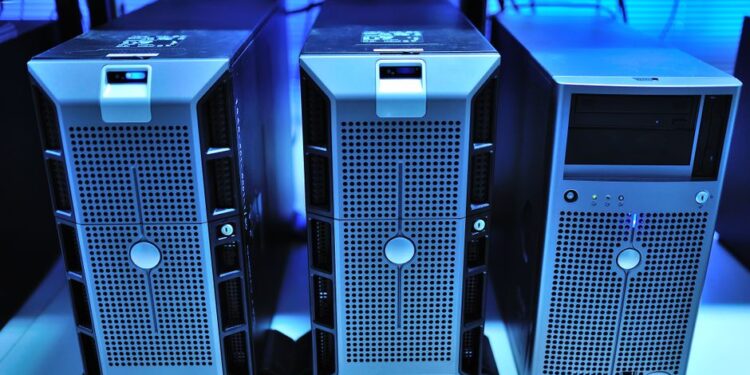
The supercomputer, located in Loughton and developed by the startup Nscale, was touted as a key element of the UK government’s AI strategy.

Essex, UK — The launch of the UK’s largest AI supercomputer has been delayed due to power supply issues. Initially set to begin operations in 2027, the timeline has now shifted to potentially the mid-2030s. This setback poses challenges for developers and the AI research community that depend on advanced computing resources.
Located in Loughton and developed by the startup Nscale, the supercomputer was a cornerstone of the UK government’s AI strategy. However, UK Power Networks (UKPN) has informed Nscale that the local grid cannot provide sufficient power until the early to mid-2030s. This situation raises concerns about the future of AI infrastructure projects in the region. The Guardian reports that this supercomputer was viewed as a transformative step for the UK’s AI ambitions, making the delay particularly disappointing for stakeholders.
Power Supply Challenges for AI Infrastructure
The delay underscores a critical issue for AI infrastructure: the need for a reliable power supply. As AI technologies evolve, the demand for energy-intensive computing resources escalates. According to Career Ahead’s analysis, the Loughton supercomputer requires up to 90MW of capacity, equivalent to the energy consumption of approximately 315,000 homes. This high demand illustrates the difficulties data centers face in securing adequate power.
Ofgem, the energy industry regulator, has reported a backlog of 315 data centers awaiting connection to the National Grid, representing a staggering 73GW of demand—far exceeding the UK’s peak energy demand of 45GW. The inability of current infrastructures to meet these demands poses a significant barrier for cloud ML engineers and data scientists. The Guardian notes that this issue is not isolated; it reflects a nationwide challenge that could undermine the UK’s position in the global AI landscape.
The delay underscores a critical issue for AI infrastructure: the need for a reliable power supply.
You may also like
 AI & Technology
Meta’s Controversial Glasses Ignite Wearable Tech Innovation
The backlash against Meta's 'pervert glasses' highlights the urgent need for wearable tech developers to prioritize ethical design. As privacy concerns grow, innovation may emerge…
Read More →Research from Career Ahead indicates that the power supply challenges for the Loughton supercomputer are part of a broader trend affecting many AI projects in the UK. As energy demands rise, pressure on existing power grids is likely to increase, potentially leading to delays and higher costs for future AI infrastructure initiatives. Calls for a reevaluation of energy policies and infrastructure investments are growing to support the UK’s ambitious AI goals.
Impact on AI Research and Development
The delay of the Loughton supercomputer will significantly affect AI research and development in the UK. With the supercomputer’s timeline pushed back, many research initiatives that depend on its capabilities may also experience delays, slowing the advancement of critical AI technologies and applications. Sources like Grandgoldman highlight that the implications of this delay could reshape the entire landscape of AI research funding and priorities.
Moreover, the funding landscape for AI initiatives may shift in response to this delay. Investors and stakeholders might reassess their commitments to projects reliant on the Loughton supercomputer, potentially leading to reduced funding for AI startups and research projects already facing challenges. The ripple effect of this delay could stifle innovation and slow the growth of the UK’s AI sector, which has been gaining momentum recently. Reduced investment could deter new entrants into the market, further consolidating power among established players.
The ripple effect of this delay could stifle innovation and slow the growth of the UK’s AI sector, which has been gaining momentum recently.
Data scientists and ML engineers may need to seek alternative resources during this delay. With the Loughton supercomputer unavailable, they might turn to cloud-based solutions or smaller supercomputing facilities, although these alternatives may not provide the same performance or accessibility, complicating their work. The Guardian notes that such limitations could hinder AI advancements as researchers struggle to find adequate computational resources.
You may also like
 AI & Technology
AI Agents Emerge as Major Insider Threats
As organizations increasingly rely on AI technologies, the risk of AI agents being seen as insider threats grows. Darktrace's CEO emphasizes the need for better…
Read More →Need for Energy Diversification
This situation highlights the necessity to diversify energy sources and improve infrastructure to support the growing demands of AI technologies. Without addressing these issues, the UK may struggle to maintain its competitive edge in the global AI landscape. The urgency of these challenges calls for collaboration among industry stakeholders, government bodies, and energy providers to create a more resilient power supply framework that meets the future needs of AI development.
The pressing question remains: will the UK overcome these power supply hurdles in time to achieve its ambitious AI goals? The answer will significantly shape the future of AI research and development in the region.
Cloud ML engineers should stay informed about developments regarding power supply issues.
Frequently Asked Questions
How will the supercomputer delay affect cloud ML engineering projects?
The delay of the UK’s largest AI supercomputer will hinder cloud ML engineering projects that depend on its resources. As timelines are pushed back, engineers may face setbacks in their development schedules, impacting project delivery.
What alternative resources can data scientists use during the delay?
Data scientists may need to turn to cloud-based solutions or smaller supercomputing facilities during the delay. However, these alternatives may not offer the same level of performance or accessibility as the Loughton supercomputer.
What should cloud ML engineers do about the power supply issues affecting AI supercomputers?
Cloud ML engineers should stay informed about developments regarding power supply issues. They should also explore opportunities to diversify energy sources for their projects. Understanding these dynamics will be crucial for adapting strategies in the evolving landscape.
You may also like
 AI & Technology
How PrismML Enhances Smart Glasses with Tiny LLMs
PrismML's integration of tiny LLMs into Qualcomm-powered smart glasses marks a significant advancement in wearable AI technology, enabling on-device processing that enhances user experience and…
Read More →