No products in the cart.

West Asia Crisis Risks Further Escalation
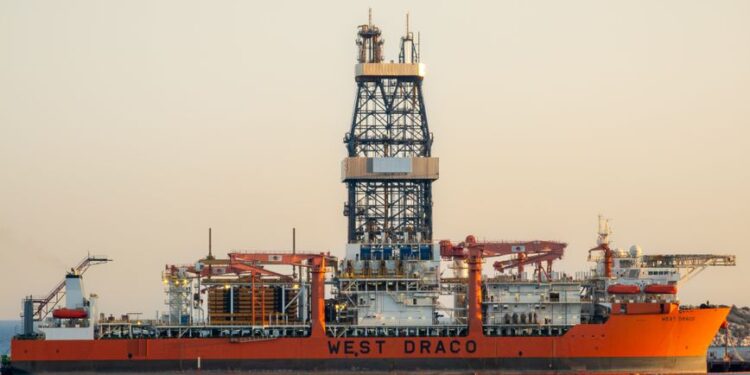
The ongoing crisis in West Asia poses significant risks to global oil prices, with geopolitical tensions potentially leading to volatility in energy markets. Energy executives must adapt their strategies to navigate these challenges.

India’s Oil Minister Hardeep Puri has warned that the crisis in West Asia is ongoing and may worsen. At the Public Affairs Forum of India’s annual conclave, he discussed the potential for increased tensions in the region. This could significantly impact global oil prices. Puri noted that while crude oil availability is currently high, geopolitical instability poses a serious risk to energy markets. He emphasized that the situation is fluid, and energy executives must stay alert to developments.
As geopolitical tensions rise, oil prices may become volatile. Puri stated that about 102 million barrels per day (mb/d) of crude oil are available globally. India’s domestic requirement is around 94-95 mb/d. This difference suggests that, under normal conditions, supply should meet demand. However, the unpredictability of the West Asia crisis complicates this balance, leading to possible price increases. A report by the Times of India indicates that the ongoing crisis has already affected market sentiment. Traders are reacting to news and forecasts about geopolitical tensions, which can worsen price swings.
Geopolitical Tensions and Oil Price Volatility
The geopolitical situation in West Asia has long influenced oil prices. Recent events have reignited concerns about the stability of oil supply from the region. According to the Times of India, the ongoing crisis may increase tensions between nations, leading to fluctuations in oil prices. For example, any supply chain disruptions or military escalations could cause immediate spikes in oil prices. This impacts local economies and global markets. The risk of military confrontations, especially involving major oil-producing nations, raises alarms about the security of oil shipments through critical chokepoints like the Strait of Hormuz, where a large percentage of the world’s oil passes.
Career Ahead’s analysis shows a clear link between geopolitical events and oil price changes. Historical data reveals that conflicts in oil-producing areas often lead to price surges due to fears of supply disruptions. This pattern suggests that energy executives must stay alert and adaptable to navigate the potential impacts of the West Asia crisis on oil pricing strategies. Furthermore, the International Energy Agency (IEA) has highlighted that geopolitical risks are a major concern for energy security. They urge companies to prepare for potential supply shocks from ongoing tensions.
Career Ahead’s analysis shows a clear link between geopolitical events and oil price changes.
You may also like
 Industry & Global Trends
India-New Zealand FTA Transforms Agricultural Exports
The India-New Zealand Free Trade Agreement marks a significant shift for Indian agricultural exporters, offering reduced tariffs and increased market access. This deal compels trade…
Read More →The uncertainty surrounding the crisis may also lead to speculative trading in oil markets. Traders often react to news and forecasts, which can worsen price swings. Energy executives should recognize that market sentiment can sometimes drive oil prices more than actual supply and demand. This psychological aspect of trading adds complexity to managing investments in the oil sector during crises. The current crisis has already seen increased speculative trading, with many investors betting on price rises, further fueling volatility.
Besides immediate price impacts, the West Asia crisis could influence long-term energy strategies. Companies may need to reassess their sourcing strategies, considering alternative suppliers or adjusting their portfolios to reduce risk. The focus on energy security will likely grow, prompting firms to diversify their supply chains and invest in more resilient energy sources. As Puri noted, the Indian government is assessing its energy needs and exploring options to boost domestic production capabilities. This could provide a buffer against uncertainties in international markets.
Strategic Shifts in Energy Sourcing
As the crisis unfolds, energy companies may need to reevaluate their sourcing strategies. With the potential for prolonged instability in West Asia, relying on traditional oil suppliers may become riskier. Puri’s comments about crude oil availability highlight an important point: while supply is sufficient now, the future is uncertain. This situation encourages energy firms to explore alternative sources and invest in technologies that improve energy efficiency. The Indian government has indicated it does not currently need foreign investment to expand its refining capabilities, although there is interest from overseas investors. This presents an opportunity for Indian companies to strengthen their domestic capabilities while navigating the uncertain global landscape. Enhancing local refining capacity could buffer against volatile international markets.
The potential escalation of the West Asia crisis highlights the need for effective risk management strategies for energy companies.
Energy executives should also consider the implications of changing consumer preferences towards renewable energy sources. The current crisis may speed up the transition to alternative energy solutions. Companies may need to invest in renewables alongside traditional oil and gas operations. This strategic shift aligns with global sustainability goals and helps mitigate risks tied to fossil fuel dependency. As the world moves towards cleaner energy, firms that adapt may find themselves better positioned in the market.
Risk management will be crucial for energy firms in the coming months. Companies must develop strong strategies to address potential supply chain disruptions and price volatility. This could involve hedging against price fluctuations or diversifying their energy portfolios to include both traditional and renewable sources. Additionally, firms should invest in technology and infrastructure that enhance operational resilience, allowing them to respond quickly to market changes.
You may also like
 Industry & Global Trends
German business sentiment climbs to highest level in three years
The Ifo Institute's findings indicate that companies are more optimistic about their current business situations, and their expectations for the future have also improved.
Read More →
The potential escalation of the West Asia crisis highlights the need for effective risk management strategies for energy companies. As geopolitical tensions can cause sudden shifts in oil prices, firms must be ready to respond quickly to changing market conditions. This requires a deep understanding of the geopolitical landscape and the ability to implement adaptive business strategies. Career Ahead research shows that energy companies with diversified supply chains are better positioned to withstand market shocks. By reducing reliance on a single source or region, firms can lessen the impacts of geopolitical crises on their operations. This diversification strategy is particularly relevant given the current tensions in West Asia, where any disruption could have wide-ranging consequences.
Moreover, companies should invest in scenario planning to anticipate potential outcomes of the ongoing crisis. By preparing for various scenarios, energy executives can make informed decisions that align with both short-term and long-term business objectives. This proactive approach will help firms navigate uncertainty more effectively and capitalize on opportunities that arise during turbulent times.
In summary, the West Asia crisis presents both challenges and opportunities for energy executives. As they navigate the complexities of oil pricing and supply chain management, adapting to changing geopolitical landscapes will be essential for sustaining business growth and stability. The situation remains fluid, with potential developments that could impact oil prices and energy strategies. Energy executives should closely monitor the evolving landscape, as the next few months could bring significant changes to market dynamics.
Energy analysts should closely monitor geopolitical developments and assess their potential impacts on oil prices.
Frequently Asked Questions
What are the potential impacts of the West Asia crisis on oil supply?
The West Asia crisis could cause significant disruptions in oil supply due to geopolitical tensions. Energy companies must prepare for potential price volatility and supply chain issues.
How should energy analysts prepare for potential price volatility?
Energy analysts should closely monitor geopolitical developments and assess their potential impacts on oil prices. Developing risk management strategies and diversifying supply chains can help mitigate market fluctuations.

What strategies should oil executives consider in response to geopolitical instability?
Oil executives should consider diversifying their energy sourcing strategies and investing in renewables. Additionally, scenario planning and robust risk management strategies will be crucial in navigating uncertainties from geopolitical instability.
You may also like
 Industry & Global Trends
Xbox Reset Disrupts Game Development and Marketing
Microsoft's recent reorganization of its Xbox division has significant implications for game developers and marketing professionals. The restructuring, which includes layoffs and departmental changes, may…
Read More →