The Baboquivari Unified School District in Arizona completed a 41-unit complex in July 2026, offering two-bedroom apartments at $300 per month. The core
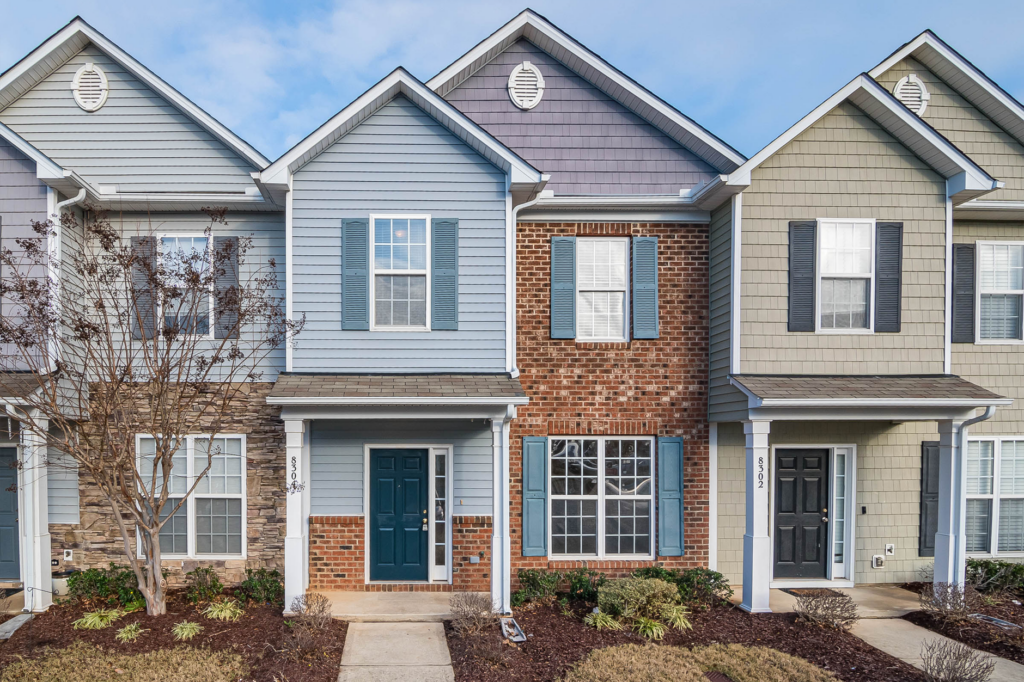
Districts across the United States are constructing low-cost rental units for teachers as housing costs rise and vacancies climb. The Baboquivari Unified School District in Arizona completed a 41-unit complex in July 2026, offering two-bedroom apartments at $300 per month.[1]
The core development is the construction of teacher-focused housing by multiple school districts nationwide. The initiative was reported in July 2026, with the Baboquivari project reaching completion on July 9, 2026, and other districts announcing similar plans later that month.[1] The effort is concentrated in rural Arizona and expanding to suburban districts in states such as Texas, Colorado, and Washington, where housing affordability has become a recruitment barrier.[2]
Key participants include the school districts themselves, the teachers who will occupy the units, and federal and local government agencies that provide financing. Baboquivari Unified School District secured federal Impact Aid, supplemented by local bond proceeds, to fund construction.[1][2] State education departments, including Arizona’s, have highlighted the shortage of more than 4,000 teachers, prompting districts to seek non-salary incentives.[1] Federal Impact Aid, originally intended for school districts affected by federal land, is being repurposed to cover a portion of development costs, while local property tax revenues cover ongoing operations.[3]
District Initiatives and Funding Mechanisms
The Baboquivari project utilizes a combination of Impact Aid and district-level capital budgets to build 41 units that meet local building codes and include on-site management.[1][2] Rents are set at $300 per month for a two-bedroom unit, a rate significantly below market levels in the surrounding Tucson metropolitan area.[1] Districts in Colorado have adopted a similar model, leveraging state housing grants and private-sector partnerships to create 25-unit teacher housing complexes.[4]
Impact Aid allocations are calculated based on the proportion of federally owned land within a district’s boundaries, allowing districts like Baboquivari to claim up to $2.5 million for construction.[3] Local bond measures approved by voters in 2025 provided an additional $1.2 million for site acquisition and infrastructure improvements.[2] In several cases, districts have entered joint-venture agreements with nonprofit developers, sharing risk and ensuring long-term affordability through deed restrictions.[4]
The broader educational impact includes the potential stabilization of staffing levels in high-need schools, which may mitigate the reliance on substitute teachers and reduce associated costs.
Beyond Arizona, districts in Texas’s El Paso Independent School District have broken ground on a 30-unit housing project slated for completion in early 2027, with rents capped at $350 per month.[2] In Washington State, the Seattle Public Schools system announced a pilot program in 2026 to convert two former district office buildings into 18 teacher apartments, funded through a combination of state housing bonds and municipal low-income housing tax credits.[3]
Remote workers are increasingly targeted by sophisticated scams involving fake job offers and OTP requests. Understanding these tactics is crucial for freelancers and digital marketers…
The New York Times reported that at least 12 districts nationwide have formalized teacher-housing programs as of July 2026, ranging from single-family homes in rural Montana to multi-unit apartments in suburban Maryland.[3] Public School Review notes that districts are targeting areas where teacher turnover exceeds 15 percent, using housing as a lever to improve retention rates.[4] The initiatives collectively represent an estimated 1,200 new affordable units for educators across the country.[4]
Impact on Educators and School Systems
The immediate effect for teachers is reduced housing cost burden, allowing more educators to reside within a reasonable commute of their schools. In Baboquivari, the district reports that 27 teachers have already signed leases, decreasing average commute times from 45 to 12 minutes.[1] Shorter commutes are linked to lower absenteeism and higher job satisfaction, factors that districts hope will translate into improved student outcomes.[2]
For school systems, the housing programs serve as a recruitment tool. Arizona’s Department of Education recorded a 7 percent decline in open teaching positions in districts that have introduced affordable housing, compared with a 3 percent decline in districts without such programs during the same period.[1] Retention data from the Colorado districts indicate that teachers who move into district-provided housing are 18 percent more likely to stay beyond three years, according to internal district surveys.[4]
The broader educational impact includes the potential stabilization of staffing levels in high-need schools, which may mitigate the reliance on substitute teachers and reduce associated costs. District finance officers estimate annual savings of $500,000 to $1 million per district by lowering turnover-related expenses, though these figures are contingent on sustained occupancy rates.[3] The initiatives also generate community benefits, such as increased local tax revenue from occupied housing units and enhanced neighborhood stability.[2]
Key Facts
What: School districts are building affordable housing units for teachers to address recruitment and retention challenges.
When: Projects reported and completed in July 2026, with additional initiatives slated for 2027.
Impact: Teachers gain low-cost housing near schools; districts see reduced vacancies and turnover, potentially improving educational continuity.
U.S. stocks rose following a weak jobs report that tempered expectations for Federal Reserve interest rate hikes. This shift in market sentiment is crucial for…



 News
NewsNews