No products in the cart.

Fed’s Hawkish Hike to Pressure Asian Currencies, Strategists Say

The Fed's hawkish stance comes amid a backdrop of economic uncertainty. With inflation remaining stubbornly high in the United States, the central bank has indicated that further rate hikes may be on the horizon. This has caused a significant reaction in financial markets, particularly among emerging economies in…

The Federal Reserve recently raised interest rates, impacting global markets and Asian currencies. This hike, announced on September 16, 2026, aims to fight inflation. However, it is expected to weaken several Asian currencies. Analysts are closely watching how these changes will affect trading strategies and financial risk management in the region.
The Fed’s tough stance comes during a time of economic uncertainty. Inflation in the United States remains high, prompting the central bank to hint at more rate hikes. This has caused a strong reaction in financial markets, especially in emerging Asian economies. As the dollar gains strength, Asian currencies may weaken, leading to potential volatility in currency trading. According to Bloomberg, this situation shows how global financial systems are interconnected. Decisions by the Fed can quickly impact currencies and economies worldwide.
Impact on Currency Valuation Strategies
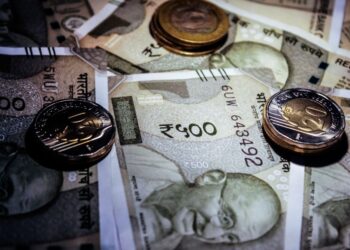
Career Ahead’s analysis shows that the Fed’s rate hike will force financial analysts in Asia to rethink their currency valuation strategies. As the dollar rises, currencies like the Indian Rupee, Indonesian Rupiah, and Thai Baht may weaken. This depreciation can change the competitive landscape for exports, affecting trade balances and economic growth. The Financial Times reports that the Indian Rupee has already weakened against the dollar, reaching levels not seen in years. Analysts warn that if the Fed continues to raise rates, the Rupee could drop further, impacting India’s trade dynamics. Export-dependent companies may see shrinking profit margins, while import costs could rise, leading to domestic inflation.
Financial analysts must adapt their models to these changes. Traditional valuation methods may not work as well as U.S. interest rates increasingly affect Asian currency movements. Analysts will need to include real-time data on interest rates, inflation expectations, and geopolitical events in their forecasts. Understanding how external factors influence currency strength is crucial, especially with rising U.S. rates.
As the market adapts to the Fed’s new policies, accurately forecasting currency movements will be vital for financial success.
You may also like
 Industry & Global Trends
UPI volume jumps 27% to touch 145 bn in first half
India's Unified Payments Interface (UPI) transactions grew by 27% in the first half of 2026, reaching 145 billion transactions. This growth reflects a strong demand…
Read More →Traders will likely adjust their strategies, using advanced algorithms to respond quickly to market changes. This includes implementing hedging strategies to reduce risks from currency fluctuations. As the market adapts to the Fed’s new policies, accurately forecasting currency movements will be vital for financial success. The need for flexible trading strategies is highlighted by the volatility that often comes with major monetary policy shifts.
Adjustments in Trading Algorithms and Risk Management Practices
The Fed’s decision to raise interest rates is driving major changes in trading algorithms for currency traders in Asia. Career Ahead research finds that as volatility rises, traders will likely use machine learning techniques to boost their predictive abilities. Algorithms that quickly process large amounts of data will be essential in this uncertain landscape. Advanced analytics will help traders spot patterns and trends that may not be obvious, giving them a competitive edge.
Additionally, risk management practices will evolve due to the expected depreciation of Asian currencies. Traders will need to adopt more flexible risk assessment frameworks that can adjust to market changes. This may involve setting tighter stop-loss limits and diversifying currency holdings to spread risk. According to Bloomberg, the use of derivatives like options and futures contracts will likely increase as traders seek to hedge against potential losses. This trend indicates a move toward more sophisticated trading strategies that can handle market shocks.
Traders will need to adopt more flexible risk assessment frameworks that can adjust to market changes.
As currency traders face pressure from the Fed’s policies, they must also pay attention to global economic indicators. Changes in commodity prices, trade policy shifts, and geopolitical tensions can all affect currency movements. Traders who can incorporate these factors into their models will gain a competitive advantage. Adapting to these external pressures will be key for maintaining profitability in a fast-changing environment.
You may also like
 Industry & Global Trends
The Impact of New Leadership on Warner Studios’ Production Plans
The recent leadership change at Warner Studios, involving the integration of Paramount executives, is set to reshape production strategies and project approvals, signaling a shift…
Read More →Moreover, the Fed’s hawkish stance affects more than just currency trading; it also impacts broader economic conditions in Asia. Countries with strong trade ties to the U.S. may see shifts in their economic outlooks. For instance, nations heavily reliant on U.S. exports could face declining demand as their currencies weaken, affecting overall economic growth. Career Ahead analysis suggests this could create a domino effect, where weaker currencies lead to less foreign investment. Investors may seek safer assets amid rising volatility, causing capital outflows from emerging markets. This could worsen currency depreciation, creating a tough cycle for Asian economies.
Central banks in Asia may need to respond to the Fed’s actions by adjusting their own monetary policies. This could mean raising rates to stabilize their currencies or taking steps to boost domestic demand. Balancing currency stability with economic growth will be a delicate task for policymakers. As Asian economies face these challenges, strategic economic planning becomes essential. Countries must consider how to position themselves in a global economy where U.S. monetary policy decisions can have wide-ranging effects.
The Fed’s hawkish stance will create a turbulent environment for Asian currencies and economies. As analysts, traders, and policymakers navigate these changes, adapting to shifting market dynamics will be crucial for future success. Looking ahead, the key question is: how will Asian economies respond to ongoing pressures from U.S. monetary policy, and what strategies will emerge to lessen the impact of currency depreciation? The coming months will be critical in shaping the future of currency trading and economic stability in the region.
Currency traders should adjust their trading algorithms to include machine learning techniques and real-time data analysis.
Frequently Asked Questions
How can financial analysts mitigate risks from currency fluctuations?
Financial analysts can reduce risks by using dynamic risk assessment techniques and real-time data. Diversifying currency holdings and implementing hedging strategies can also help protect against potential losses.
What strategies should currency traders adopt in response to Fed rate hikes?
Currency traders should adjust their trading algorithms to include machine learning techniques and real-time data analysis. Implementing tighter stop-loss limits and diversifying portfolios will be essential to navigate increased market volatility.

How does a hawkish Fed influence Asian markets specifically?
A hawkish Fed can cause currency depreciation in Asian markets, affecting trade balances and economic growth. As the dollar strengthens, Asian currencies may weaken, prompting changes in trading strategies and risk management practices.
You may also like
 Industry & Global Trends
What is happening to the Indian IT bench? | Explained
The tightening of bench policies in India's IT sector reflects a significant transformation in workforce management, impacting job security and project allocation.
Read More →