No products in the cart.

Feedstock Sourcing Fuels CBG Ecosystem Growth
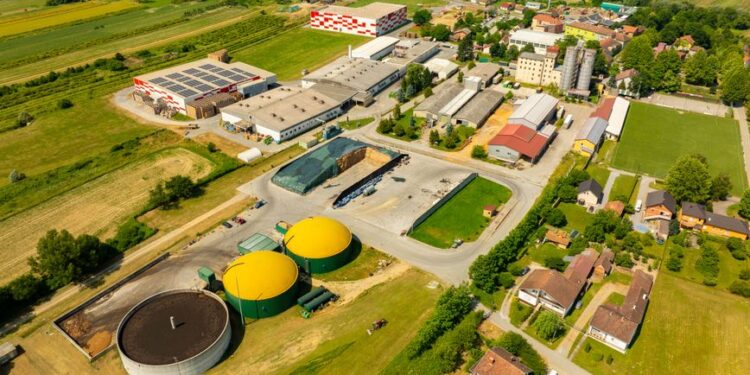
India's GOBARdhan scheme aims to enhance CBG production, highlighting the critical role of efficient feedstock sourcing. The challenges of sourcing agricultural residues and managing logistics are pivotal for the sustainability of the CBG ecosystem.

India’s recent push for Compressed Biogas (CBG) underscores the importance of efficient feedstock sourcing. On August 9, 2026, the Union Cabinet approved a revamped GOBARdhan scheme with a budget of ₹23,731 crore. This initiative aims to boost CBG production nearly tenfold and emphasizes the need for a robust supply chain to procure, store, and manage feedstock effectively.
The GOBARdhan scheme seeks to create a stable framework for CBG production. However, industry experts warn that logistical challenges persist. Common feedstocks include press mud, agricultural residues like paddy and wheat straw, and animal manure. Each of these presents unique challenges related to seasonal availability and transportation. A report by The Hindu states that sourcing these materials is not just a logistical hurdle but also vital for the sustainability of the CBG ecosystem.
Logistical Challenges in Feedstock Sourcing
Efficient feedstock sourcing is crucial for the viability of CBG plants. Gaurav Kedia, Chairman of the Indian Biogas Association (IBA), notes that the type of feedstock and its distance from CBG plants affect supply consistency. Long-distance transport can reduce CBG’s environmental benefits by increasing fossil fuel use. Therefore, local sourcing is a priority. Kedia emphasizes that sourcing feedstock locally cuts costs and boosts the sustainability of CBG production.
Press mud, a byproduct of sugarcane processing, has specific challenges due to its high moisture content and perishability. Kedia points out that sourcing this feedstock near production facilities is key to maintaining quality. Paddy straw is mainly available during the Kharif and Rabi harvest seasons, requiring quick collection and proper storage to prevent waste. The seasonal nature of agricultural residues means CBG plants must adapt quickly to maintain production levels year-round.
Storage issues complicate feedstock management further. Large amounts of agricultural residues need safe storage to prevent fire risks, especially in hot summer months. During monsoon, moisture protection is vital to keep feedstock quality intact. Effective storage solutions are essential for ensuring a steady supply of high-quality feedstock. As noted by Greengasinc, advanced storage technologies can help mitigate these risks, preserving feedstock and reducing spoilage losses.
Effective storage solutions are essential for ensuring a steady supply of high-quality feedstock.
You may also like
 Government & Policy
Fed, ECB Minutes to Show Inflation Fears as Hike Bets Fade
This development is crucial for understanding the current economic landscape. The Fed's and ECB's communications suggest that inflation remains a top priority, impacting their decisions…
Read More →To connect farmers with CBG plants, experts suggest an aggregator-based model. This model can improve communication and logistics, allowing farmers to supply feedstock without binding contracts. Aggregators can also provide farmers with bio-slurry, a byproduct of CBG production, which serves as organic fertilizer. This creates a sustainable loop between CBG production and agriculture, benefiting farmers by providing extra income while ensuring CBG plants have a reliable feedstock source all year.
Diversifying Feedstock for Resilience
Career Ahead’s analysis shows that a diversified feedstock mix is vital for CBG plants. Processing multiple feedstocks helps mitigate risks from seasonal fluctuations and enhances bargaining power in procurement. This diversification can lead to greater resilience and efficiency in the supply chain. Adapting to changing market conditions and feedstock availability will be crucial for the long-term success of CBG initiatives in India.
Industry observers recommend that CBG plants be designed to process multiple feedstocks rather than depend on a single source. A diversified feedstock mix could make plants more resilient to seasonal fluctuations while improving overall efficiency. This adaptability is essential for maintaining competitiveness in the growing CBG landscape.
Investment Opportunities in the CBG Sector
Recent government initiatives signal growing opportunities for investors in the CBG sector. The ambitious goals of the GOBARdhan scheme encourage new investments in CBG production facilities. Investors are increasingly viewing biomass energy as a viable alternative to traditional energy sources. The potential for high returns, along with rising demand for sustainable energy solutions, makes the CBG sector attractive.
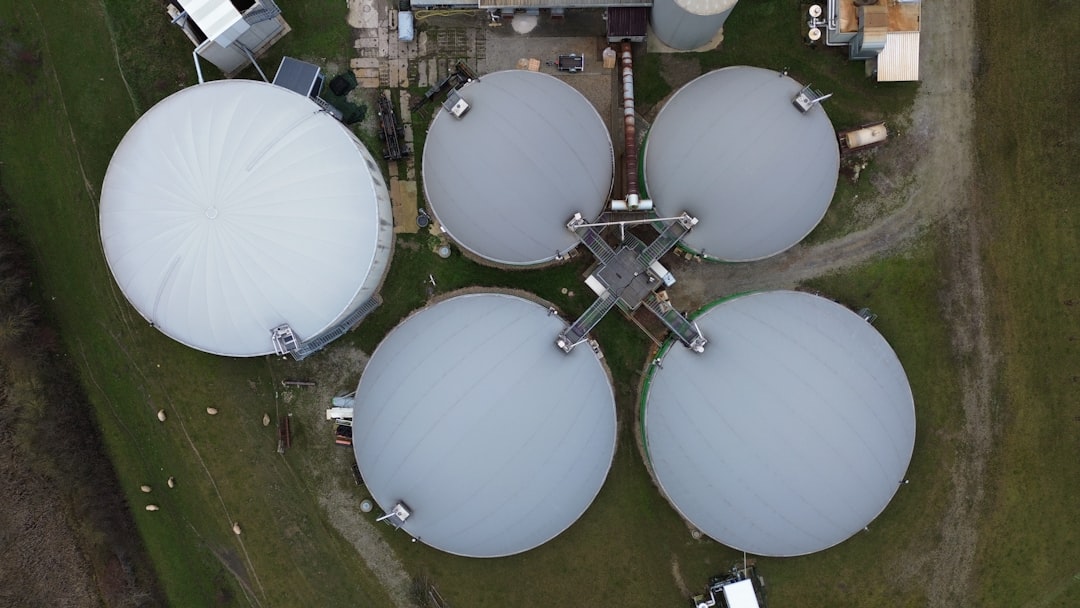
According to a report by Greengasinc, the demand for sustainable feedstock sourcing is increasing as industries aim to lower their carbon footprints. This trend opens doors for partnerships between CBG producers and agricultural stakeholders, benefiting both. By aligning interests, investors can tap into a growing market that prioritizes sustainability. Integrating agricultural waste into energy production not only addresses waste management but also supports the circular economy.
Integrating agricultural waste into energy production not only addresses waste management but also supports the circular economy.
Energy sustainability data suggests that the global shift to renewable energy will likely increase demand for CBG as a clean energy alternative. Investors focusing on sustainable solutions will find the CBG sector increasingly appealing, especially as government policies support renewable energy initiatives. Growing awareness of climate change and the need for sustainable practices among consumers is driving demand for CBG. This shift toward greener alternatives presents a lucrative opportunity for investors willing to enter the CBG market.
You may also like
 Government & Policy
Korea Orders Security Checks After Finance-Sector Data Breaches
The government’s directive requires financial institutions to implement comprehensive security protocols to protect customer data and maintain trust in the financial system.
Read More →
Technological Innovations in CBG Production
Career Ahead research indicates that integrating advanced technologies in CBG production can improve operational efficiency and feedstock management. Investors prioritizing technological advancements in their CBG projects are likely to see better returns. Innovations can streamline processes and cut costs. Using data analytics and IoT technologies can optimize feedstock sourcing and enhance decision-making, leading to a more responsive and efficient supply chain.
As the CBG ecosystem evolves, supply chain managers must stay agile and responsive to changes in feedstock availability and market dynamics. Adapting to these conditions will be crucial for maintaining competitiveness in the growing CBG landscape. Understanding the challenges and opportunities in feedstock sourcing is essential for both supply chain managers and investors. By focusing on efficient sourcing strategies and forming strategic partnerships, stakeholders can navigate the complexities of the CBG sector.
Frequently Asked Questions
What are the best practices for sourcing feedstock in the CBG industry?
Best practices include sourcing feedstock locally to reduce transportation costs and environmental impact. Building relationships with local farmers and using an aggregator model can enhance supply chain efficiency.
Investors should look at the regulatory framework, market demand, and technological advancements in the CBG sector.
How can investors assess the viability of biomass energy projects?
Investors should look at the regulatory framework, market demand, and technological advancements in the CBG sector. Analyzing government initiatives like the GOBARdhan scheme can offer insights into potential growth and investment opportunities.
What should supply chain managers consider when scaling CBG production?
Supply chain managers must consider feedstock availability, storage solutions, and transportation logistics. Developing a diversified sourcing strategy can help mitigate risks from seasonal fluctuations and ensure a steady supply of quality feedstock.
You may also like
 Government & Policy
RBI Prioritizes Financial Stability Amid Emerging Risks | Career Outlook
RBI Governor Sanjay Malhotra outlines five key priorities to ensure financial stability in a rapidly changing global landscape, emphasizing the interconnectedness of financial systems.
Read More →