France is experiencing widespread student protests demanding better educational standards and resources, with significant unrest affecting over 1,000 schools nationwide. The protests reflect a broader dissatisfaction with educational policies and have led to clashes with police, highlighting urgent calls for reform.
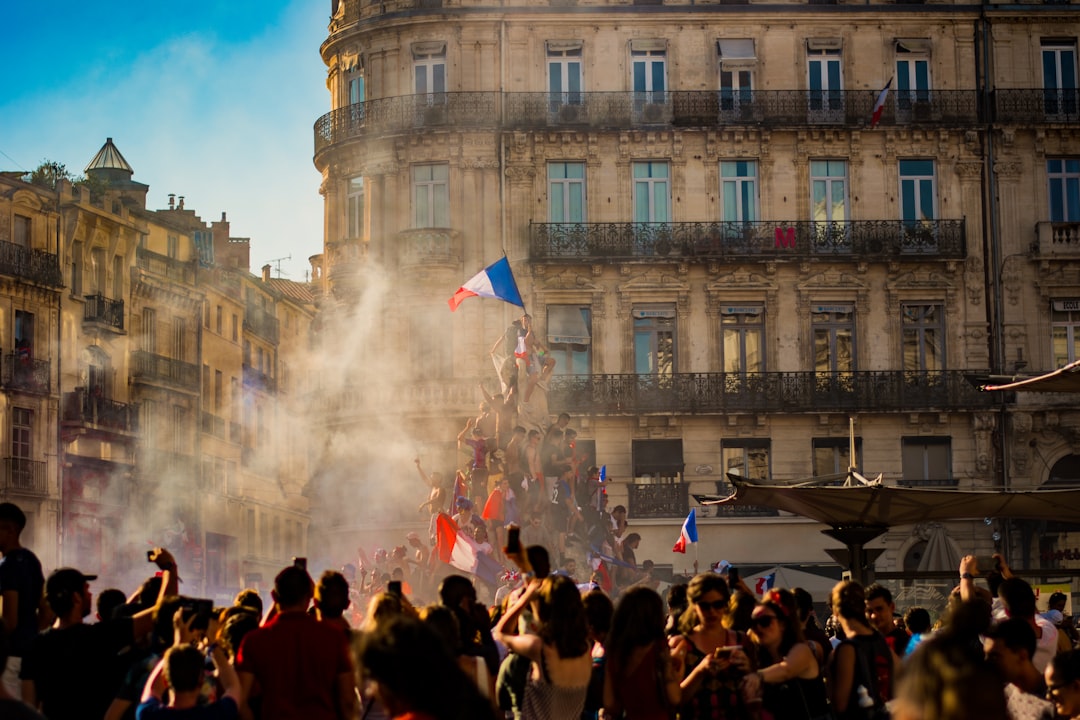
France has seen a wave of student protests. High school students are demanding better educational standards and resources. These protests began in late September 2026 and have escalated into significant unrest across the country, affecting over 1,000 schools. Clashes with police have led to many injuries and arrests, showing the intensity of student frustration with the current educational system.
The protests mainly occur in urban areas, especially in the Paris region. Students have organized blockades and demonstrations. High school students are calling for reforms to address overcrowded classrooms, outdated curricula, and inadequate mental health support. This unrest reflects a broader dissatisfaction with educational policies that many students feel do not meet their needs. According to The Guardian, the protests have seen a significant police presence and often turned violent, with hundreds of students detained as they express their grievances.
Impact on Educational Policies in France
The ongoing protests are likely to influence educational policy significantly. Career Ahead’s analysis shows that the French government may need to respond to these demands to restore stability in schools. Policymakers will face pressure to allocate more funding for education. This could lead to a reevaluation of budget priorities and allocations. The unrest has prompted discussions among government officials about reforming the educational framework to better serve students’ needs.
A recent survey by the Ministry of Education found that nearly 70% of students feel their educational needs are unmet. This sentiment is echoed in the protests, where students voice concerns about a lack of resources and support. The government’s response will likely involve discussions on improving educational infrastructure and support systems. As reported by TIME, the protests have highlighted the urgent need for a relevant curriculum that adapts to the changing job market, emphasizing vocational training and life skills.
The protests have also drawn attention to the mental health crisis among students. Many students report feeling overwhelmed and unsupported due to increasing academic pressures. The Ministry of Health has indicated that mental health resources in schools are insufficient. This issue has become a focal point of the protests. Educational reforms may include enhanced mental health services as part of a broader strategy to support students. Many students have expressed feelings of anxiety and depression, which can hinder their academic performance.
The current unrest serves as a crucial reminder that educational systems must evolve to meet the diverse needs of students.
New York City's school system remains one of the most segregated in the U.S. City leaders are now pushing for integration, but advocates emphasize the…
Furthermore, the protests may lead to a reevaluation of the curriculum itself. Students want more relevant and practical education that prepares them for the workforce. This could result in integrating vocational training and life skills into the standard curriculum. The current unrest serves as a crucial reminder that educational systems must evolve to meet the diverse needs of students.
Potential Changes in School Funding and Support Systems
One key demand from protesting students is increased funding for schools. Career Ahead research shows that inadequate funding has led to overcrowded classrooms and a lack of essential resources. As protests continue, there is a growing expectation that the government will address these funding issues. The protests have sparked a national conversation about distributing educational resources more equitably, prioritizing underfunded schools.
The French government has historically struggled to balance its budget while meeting educational needs. However, the scale of current protests may force policymakers to reconsider their approach. Increased funding could go toward hiring more teachers, reducing class sizes, and improving school facilities. The demand for better funding includes the need for comprehensive support systems that address students’ holistic needs.
Moreover, the protests have highlighted the need for better support systems within schools. Many students feel isolated and stressed, impacting their academic performance and overall well-being. The government may need to invest in training for teachers to better support students’ mental health and educational needs. This investment could include professional development focused on recognizing and addressing mental health issues, creating a more supportive environment for students.
As the protests unfold, it is crucial for stakeholders, including parents, educators, and policymakers, to engage in dialogue with students. This collaboration could lead to comprehensive policies that address the root causes of unrest and create a more supportive educational environment. The ongoing unrest serves as a reminder that student voices matter. As the situation develops, it will be essential to monitor how the government responds to these demands and what changes will be made in education.
This investment could include professional development focused on recognizing and addressing mental health issues, creating a more supportive environment for students.
The protests are not just a reaction to current conditions but a proactive stance by students advocating for their future. They demand a system that recognizes their needs and prepares them for future challenges. As the government considers its response, the potential for meaningful reform remains on the horizon, depending on the willingness to listen to and act upon the voices of the youth.
Frequently Asked Questions
What are the demands of high school students in France regarding educational standards?
High school students in France are demanding improved educational standards, including better resources, reduced class sizes, and enhanced mental health support. They advocate for a curriculum that is more relevant to their future careers.
How might the protests affect my education as a high school student in France?
The protests could lead to significant changes in educational policies, potentially resulting in increased funding for schools and better support systems. This may improve the overall educational experience for students.
What actions can high school students take to advocate for better educational policies?
Students can organize peaceful protests, engage in dialogue with school officials, and collaborate with parents and community members to voice their concerns. Active participation in discussions about educational reforms can amplify their demands.




Education & University Insights
Education & University Insights