No products in the cart.

FSSAI Targets Junk Food Near Schools

The FSSAI's proposal to ban junk food within 50 meters of schools aims to combat childhood obesity and promote healthier eating habits. This regulation could significantly impact food vendors and student dietary options.

India’s Food Safety and Standards Authority (FSSAI) has proposed a significant regulation that aims to ban the sale of junk food within a 50-meter radius of schools. Announced on September 24, 2026, this initiative seeks to combat the rising rates of childhood obesity and promote healthier eating habits among students. If implemented, this regulation will directly affect food vendors operating near educational institutions.
The proposal specifically targets foods high in fat, sugar, and salt (HFSS), which are commonly consumed by children. Items such as chips, sugary drinks, and chocolates are among those that could be restricted. FSSAI Chief Executive Rajit Punhani emphasized that the goal of these measures is to foster healthier eating environments for children, thereby reducing their access to unhealthy food options. This initiative aligns with global trends, as countries like Chile have successfully implemented similar restrictions, showcasing a worldwide recognition of the need for healthier food environments around schools.
Impact on Local Food Vendors
The proposed ban will have immediate financial implications for local food vendors. Many small businesses rely on selling popular HFSS items to students after school hours. According to Career Ahead’s analysis, vendors who fail to adapt to these new regulations could face a significant drop in sales. This could lead to business closures or a shift in product offerings, as vendors may need to focus on healthier alternatives.
A recent report from the World Obesity Federation highlights that the number of overweight or obese children in India is projected to rise dramatically, from 4.1 crore in 2025 to 5.6 crore by 2040, underscoring the urgency of these regulations. Additionally, vendors will need to rethink their marketing strategies. The attractive packaging and advertising of junk food have made these items appealing to children, but with the proposed restrictions, vendors may need to invest in promoting healthier options.
This shift could require a complete overhaul of inventory and marketing practices, which may not be feasible for all vendors. The financial burden of transitioning to healthier offerings may be daunting, especially for those operating on thin margins. Furthermore, the FSSAI’s initiative may lead to increased competition among vendors who successfully adapt, as those offering appealing and nutritious options could capture a larger share of the market.
Furthermore, the FSSAI’s initiative may lead to increased competition among vendors who successfully adapt, as those offering appealing and nutritious options could capture a larger share of the market.
Adapting to Healthier Offerings
Transitioning to healthier offerings may involve significant upfront costs. Vendors may need to invest in new ingredients, training for staff, and marketing to promote their new products. For many small businesses, this could be a daunting challenge, especially if they are already operating on thin margins. In light of these challenges, vendors must consider strategic partnerships with suppliers who can provide healthier ingredients at competitive prices. Collaborating with local health organizations or schools could also enhance their credibility and market presence.
As the FSSAI’s proposal moves forward, the financial landscape for food vendors near schools will likely evolve. The ability to adapt quickly will determine which businesses thrive and which may struggle to survive in this new regulatory environment. Vendors who proactively adapt their menus to include healthier options may not only comply with the new regulations but could also tap into a growing market of health-conscious consumers, thereby ensuring their business sustainability.
Changes in Student Dietary Options
The FSSAI’s proposed ban on junk food near schools is set to transform the dietary landscape for students. With the restriction on HFSS foods, students will have fewer options for quick snacks, which may lead to a shift in their eating habits. Schools and food vendors will need to collaborate to ensure that healthier choices are available and appealing. Schools may play a pivotal role in this transition by providing healthier meal options in their canteens and partnering with local vendors to offer nutritious snacks.

Moreover, this shift presents an opportunity for food vendors to innovate. By introducing new, appealing, and healthy snack options, vendors can not only comply with regulations but also attract health-conscious students and parents. This could lead to a new market niche focused on nutritious and convenient food options. As the emphasis on health and nutrition grows, vendors who successfully adapt to these changes may find themselves in a favorable position. The demand for healthy snacks is likely to rise, creating opportunities for growth within this sector.
Collaborative Efforts for Healthier Eating
While the FSSAI’s proposal aims to protect children’s health, it also presents challenges and opportunities for food vendors. The ability to pivot quickly and innovate in response to these changes will be critical for survival in the evolving food landscape. As discussions around the FSSAI’s proposal continue, food vendors and school administrators must remain vigilant. The future of food sales near schools is poised for change, and those who adapt proactively will likely lead the way in shaping healthier eating habits for the next generation.
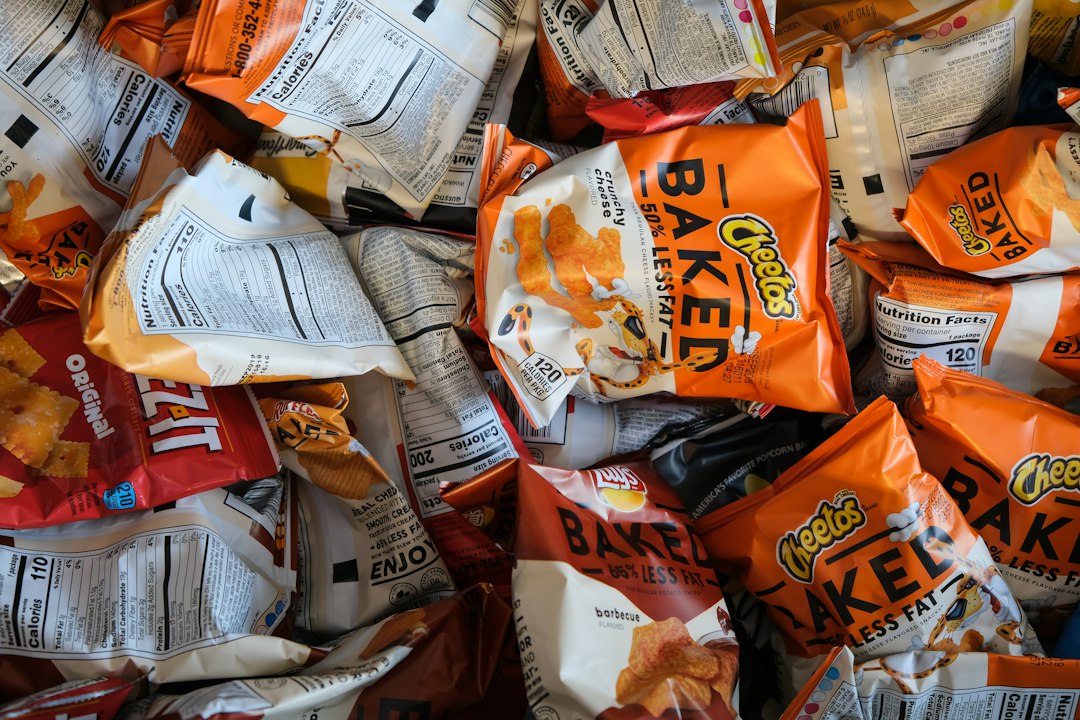
As the emphasis on health and nutrition grows, vendors who successfully adapt to these changes may find themselves in a favorable position.
Frequently Asked Questions
How will the new FSSAI regulations affect my food business near schools?
The proposed regulations will limit the sale of junk food within a 50-meter radius of schools, which may lead to a significant drop in sales for vendors relying on HFSS products. Vendors will need to adapt their offerings to include healthier alternatives to remain viable.

What alternatives can food vendors offer to comply with the new rules?
Food vendors can consider introducing healthier snack options such as fruits, nuts, and whole-grain products. Collaboration with local suppliers to source these ingredients can also help vendors meet the new regulations effectively.
What steps should school administrators take to implement these food regulations?
School administrators should work closely with local food vendors to ensure that healthier options are available on campus. They can also educate students about the importance of healthy eating and create a supportive environment for making better dietary choices.
Written by Career Ahead AI. AI can make mistakes, so verify key facts. Report errors to support@careeraheadonline.com.