New York, USA — Gold, silver, and platinum prices have surged to record highs just in time for the holiday season, driven by investor optimism for a traditional “Santa rally.” This phenomenon typically sees stock markets rise during the last week of December, and with precious metals hitting new peaks, investors are keen to capitalize on potential gains. The S&P 500 has also reached a record high, reflecting a broader sense of confidence in the market.
As of December 24, 2025, gold prices have soared, reaching unprecedented levels. Silver and platinum have followed suit, reflecting a significant shift in investor sentiment. This surge is particularly noteworthy given the backdrop of geopolitical tensions, including supply concerns stemming from the U.S. blockade of Venezuela, which has impacted oil prices and, in turn, the prices of precious metals.
Investors are increasingly turning to gold and other precious metals as safe havens amid economic uncertainty and inflation fears. The recent rise in prices is not just a seasonal trend; it signals a shift in how investors are positioning themselves for the upcoming year. With expectations of further interest rate cuts from the Federal Reserve, many see precious metals as a hedge against potential volatility in the stock market.
Why Precious Metals Are Soaring
The recent uptick in gold, silver, and platinum prices can be attributed to several key factors. First, the ongoing geopolitical tensions, particularly in oil-rich regions, have created a sense of urgency among investors. The blockade of Venezuela has led to fears of supply shortages, which have pushed oil prices higher and created a ripple effect across commodities, including precious metals.
With the central bank signaling a willingness to cut rates in the coming year, the opportunity cost of holding non-yielding assets like gold decreases.
Secondly, the Federal Reserve’s stance on interest rates plays a crucial role. With the central bank signaling a willingness to cut rates in the coming year, the opportunity cost of holding non-yielding assets like gold decreases. This has prompted many investors to shift their portfolios towards precious metals as a way to preserve wealth.
Additionally, the holiday season traditionally brings increased demand for gold and silver, particularly in jewelry markets. This seasonal demand, combined with the current economic climate, has further fueled the surge in prices. Retailers are already reporting increased sales, and this trend is expected to continue as consumers look to invest in precious metals as gifts or for personal use.
 News
NewsNageswaran Warns That AI Risks Reach Beyond Jobs
His warnings span junior employment, essay-writing and memory, safety tests, debt-financed infrastructure and the cost of misplaced AI optimism.
Read More →Furthermore, analysts are noting a significant increase in institutional investment in gold and silver. Many hedge funds and institutional investors are reallocating their assets towards these metals, seeing them as a stable investment amid market fluctuations. This institutional interest is a strong indicator of the long-term potential of precious metals as a solid investment.
Implications for Your Investment Strategy
For individual investors, the recent price movements in gold, silver, and platinum present both opportunities and challenges. If you are considering investing in these precious metals, here are several key points to keep in mind:
- Evaluate your portfolio: Assess your current investments and consider how much exposure you want to have in precious metals. Diversification is critical, and adding gold or silver could help balance your portfolio against stock market volatility.
- Stay informed: Keep an eye on geopolitical developments and economic indicators that could affect precious metal prices. Understanding the broader economic landscape will help you make informed decisions about when to buy or sell.
- Consider long-term trends: While short-term price movements can be enticing, it is essential to think long-term when investing in precious metals. Look for opportunities to accumulate these assets over time, especially during dips in price.
- Explore different investment vehicles: There are various ways to invest in precious metals, including physical bullion, ETFs, and mining stocks. Each has its own risk profile and potential returns, so choose the one that aligns with your investment goals.
However, some experts caution against viewing the current surge as a guaranteed trend. According to market analyst John Smith, “While the rise in precious metals is encouraging, it’s essential to remain cautious. Economic conditions can change rapidly, and investors should be prepared for potential corrections in the market. Diversification remains key to a resilient portfolio.”
Stay informed: Keep an eye on geopolitical developments and economic indicators that could affect precious metal prices.
Future Outlook for Precious Metals
Looking ahead, the outlook for gold, silver, and platinum remains optimistic. The combination of ongoing geopolitical tensions, potential interest rate cuts, and seasonal demand suggests that prices may continue to rise in the near future. Investors should remain vigilant and ready to adjust their strategies as necessary.
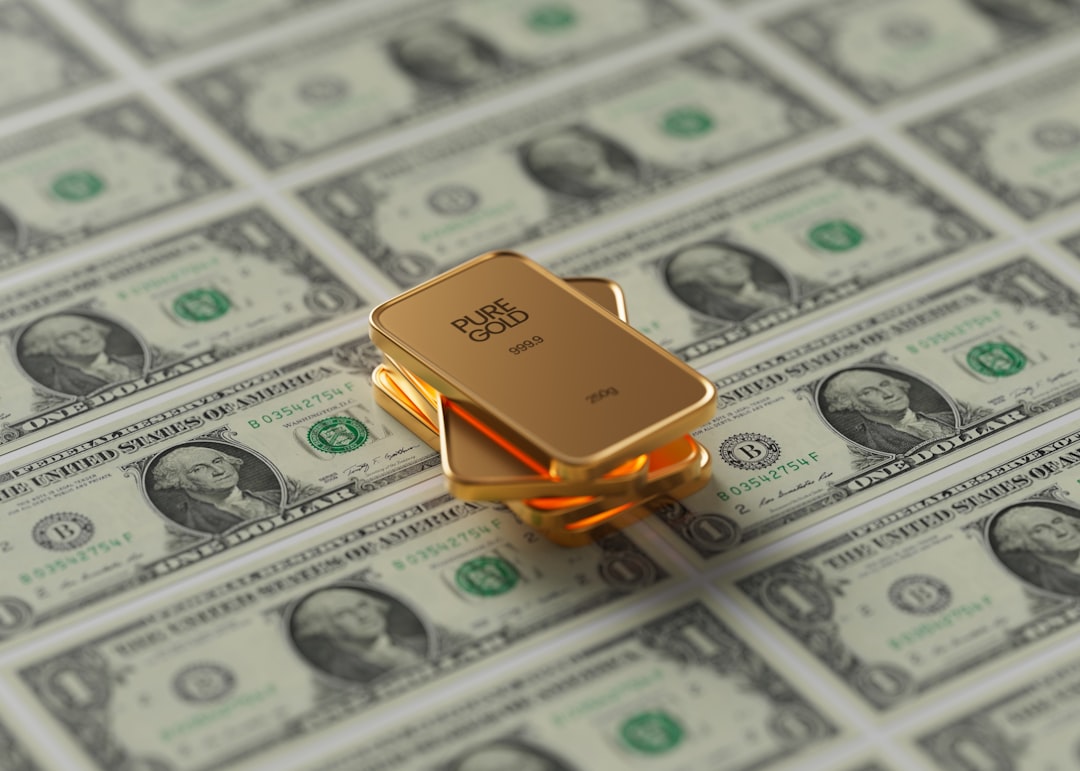
As we move into 2026, the question remains: Will the Santa rally continue to propel precious metals higher, or will we see a shift as new economic data emerges? Understanding these dynamics will be crucial for anyone looking to navigate the investment landscape in the coming months. Are you prepared to adapt your investment strategy in response to these trends?
 Entrepreneurship & Business
India’s Fast-Track GST Registration: Who Qualifies and What to Check
The simplified route targets businesses below a stated monthly output tax limit. A separate proposal outlines four tiers for GST registration.
Read More →Written by Career Ahead AI. AI can make mistakes, so verify key facts. Report errors to support@careeraheadonline.com.