No products in the cart.

Gopinath Champions Human Expertise in Aviation’s High Stakes

India's aviation sector is witnessing unprecedented growth, with an annual expansion rate of nearly 20%. This surge creates a pressing need for skilled aircraft maintenance engineers. Ashok Gopinath, President of GMR Aero Technic, discusses the evolving industry and the irreplaceable role of human expertise in aviation.

Rapid Growth in India’s Aviation Sector
India’s aviation sector is experiencing remarkable growth, with an annual expansion rate nearing 20%. This surge has created a significant demand for skilled aircraft maintenance engineers. Ashok Gopinath, President of GMR Aero Technic, highlights that as airlines expand their fleets and new airports are constructed, the gap between the supply of and demand for trained engineers continues to widen.
GMR Aero Technic is at the forefront of this transformation. The GMR School of Aviation offers training programs that adhere to international standards, providing students with both theoretical knowledge and practical experience. This comprehensive approach ensures that graduates are equipped to meet industry needs from day one.
India has a strong reputation for producing skilled professionals, and international aviation companies are increasingly seeking Indian graduates. This trend reflects the global recognition of Indian talent in aviation, paralleling successes in sectors like information technology.
The Essential Role of Human Expertise
Despite the rise of artificial intelligence, Gopinath asserts that human expertise remains irreplaceable in aviation. While AI can enhance diagnostics and operational efficiency, it cannot substitute for human accountability, which is critical for safety. Engineers are responsible for inspecting, diagnosing, and certifying aircraft—tasks that necessitate deep knowledge and hands-on experience.
India has a strong reputation for producing skilled professionals, and international aviation companies are increasingly seeking Indian graduates.
Every aircraft must be certified as fit to fly by a qualified engineer, a responsibility that cannot be delegated to machines. The intricate nature of aircraft maintenance requires engineers to possess a thorough understanding of the systems they manage. Although AI can assist, it cannot replicate the critical thinking and decision-making skills derived from human experience.
Innovative Training at GMR School of Aviation
The GMR School of Aviation employs a distinctive training model that integrates classroom instruction with practical experience. The program consists of two years of academic learning followed by two years of on-the-job training at GMR’s maintenance, repair, and overhaul (MRO) facilities. This structure ensures that students acquire both theoretical knowledge and practical skills, enhancing their employability.
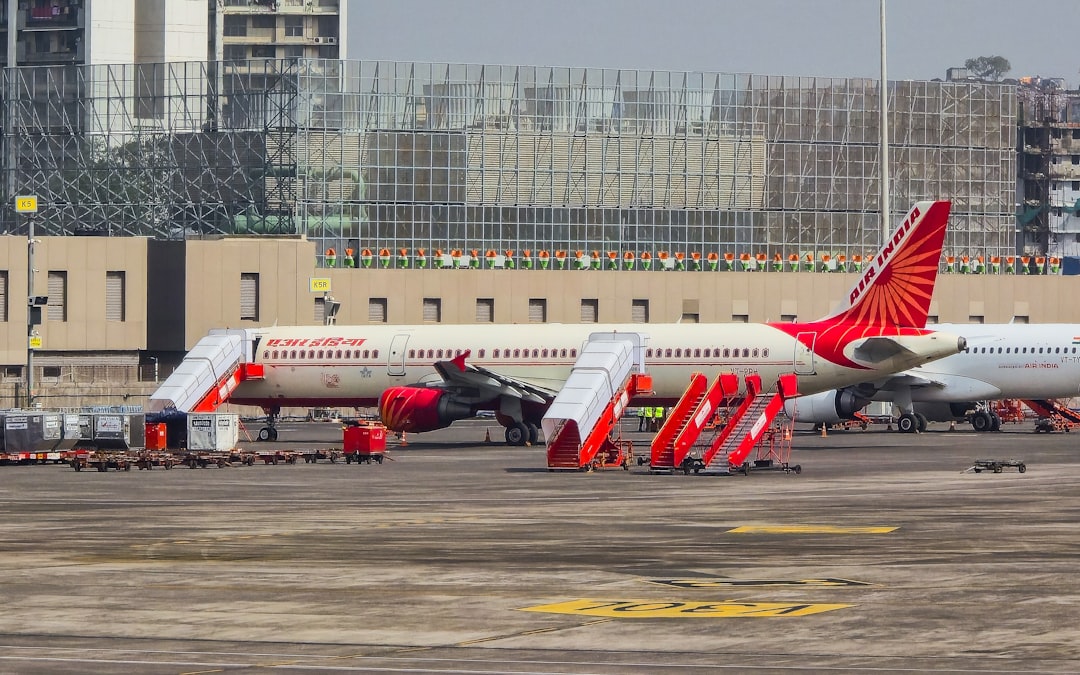
The school also provides aircraft-specific type training on popular models such as the Boeing 737 and Airbus A320. Graduates can obtain licenses from the Directorate General of Civil Aviation (DGCA) and the European Union Aviation Safety Agency (EASA), significantly improving their job prospects in both domestic and international markets.
Global Recognition of Indian Aviation Professionals
Indian aviation professionals are increasingly recognized for their skills on the global stage. Gopinath notes that many trained engineers from India are securing positions in international airlines, airports, and MRO organizations, reflecting the growing demand for qualified aviation personnel worldwide.
The reputation of Indian engineers in aviation mirrors their success in other fields, such as IT. As the aviation sector expands, more international companies are seeking Indian talent, acknowledging the quality of training and expertise available.
You may also like
 Industry & Global Trends
Cygni Energy, Indus Towers Unite for Telecom Energy Storage
Cygni Energy and Indus Towers have signed a Memorandum of Understanding to develop energy storage solutions for telecom infrastructure, marking a significant step towards sustainability…
Read More →Global Recognition of Indian Aviation Professionals Indian aviation professionals are increasingly recognized for their skills on the global stage.
Balancing Technology and Human Skills
As AI continues to transform various industries, human skills remain vital in aviation. Gopinath emphasizes the need for a balance between technological advancements and human expertise. While AI can enhance efficiency, the ultimate responsibility for aircraft safety lies with human engineers.
The aviation industry has little margin for error, underscoring the necessity for rigorous training and a deep understanding of aircraft systems. As technology evolves, engineers will need to adapt their roles, integrating AI tools into their work while preserving the core skills essential for safety and reliability.