No products in the cart.

Government Develops FTA Utilisation Plan for Businesses
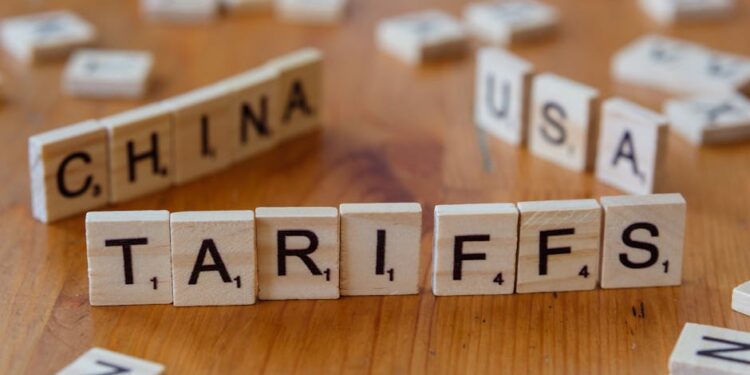
The Indian government is actively developing a plan to maximize benefits from its free trade agreements (FTAs). Commerce and Industry Minister Piyush Goyal has engaged with industry leaders to discuss strategies for better utilization of these trade pacts.


India’s FTA Utilization Strategy
The Indian government is actively developing a plan to maximize benefits from its free trade agreements (FTAs). Recently, Commerce and Industry Minister Piyush Goyal engaged with industry leaders and export promotion councils to discuss strategies for better utilization of these trade pacts. Since 2021, India has signed FTAs with several countries, including Australia, the UAE, and the UK, covering markets with combined imports of approximately $12 trillion.
Goyal emphasized the importance of leveraging these agreements to enhance exports and domestic manufacturing. The government’s goal is to increase goods and services exports to $2 trillion in the coming years, focusing on sectors like agriculture, textiles, and pharmaceuticals. This initiative comes at a time when India’s exports reached a record high of $863.11 billion in 2025-26, marking a 4.6% increase from the previous year.
According to The Week, the government’s approach includes a comprehensive review of the FTAs’ impact on various sectors. This involves assessing which industries have benefited most and identifying areas for improvement. The strategy aims to ensure that Indian businesses not only gain market access but also integrate into global supply chains effectively.
Sector-Specific Opportunities
The FTAs have opened doors for several key sectors in India. For instance, the agriculture sector has gained significant market access, allowing Indian farmers to export products with reduced tariffs. Textiles and apparel, another crucial sector, have also seen enhanced opportunities due to these agreements. The government is keen to promote these sectors as part of its broader economic growth strategy.
Additionally, the gems and jewellery industry stands to benefit from FTAs, particularly with countries that have a high demand for these products. The leather and engineering sectors are also expected to gain from reduced tariffs and improved market access. As these industries grow, they could create numerous job opportunities, which is vital for the Indian economy.
Notably, the Hindu reported that the government is actively working on aligning Indian products with global standards, which is essential for enhancing competitiveness.
Moreover, the electronics and chemicals sectors are included in the government’s focus areas. By facilitating easier access to international markets, India aims to position itself as a competitive player in these industries, which are crucial for technological advancement and economic sustainability. Notably, the Hindu reported that the government is actively working on aligning Indian products with global standards, which is essential for enhancing competitiveness.
Proactive Government Measures
You may also like
 Government & Policy
ITAT Ruling Clears Businessman of Tax Penalty via Relative’s Job
The ITAT ruled in favor of Gupta after he explained that the foreign currency discovered in his home belonged to his sister-in-law, Kemp, who worked…
Read More →The Indian government is taking proactive steps to ensure that businesses can capitalize on these agreements. This includes holding review meetings to assess the progress of negotiations and the implementation of FTAs. The Commerce Ministry is also working closely with Indian missions abroad to raise awareness about the benefits of these agreements.
In a recent meeting, Goyal outlined a plan for obtaining necessary approvals for Indian agricultural and fisheries products in global markets. This is crucial, as non-tariff barriers often hinder exports. By streamlining these processes, the government aims to make it easier for businesses to navigate international trade.
Furthermore, the government is focusing on aligning Indian products with global standards. This involves ensuring that domestic industries meet the quality requirements set by importing countries. By doing so, Indian businesses can enhance their competitiveness and reputation in international markets.

Addressing Challenges Ahead
While the government’s FTA strategy presents significant opportunities, challenges remain. One major concern is that many Indian businesses still view FTAs primarily as tariff-reduction tools. According to experts, like Shishir Priyadarshi, former Director of the WTO, the true value of FTAs lies in their ability to help firms integrate into global value chains and diversify supply chains.
By streamlining these processes, the government aims to make it easier for businesses to navigate international trade.
Moreover, there is a need for businesses to adapt and innovate to meet international standards. This will require investment in technology and skills development. The government has recognized this and is encouraging businesses to shift their focus from merely exporting more to exporting smarter, which includes branding and advanced manufacturing.

Another challenge is the global economic environment, which has been unpredictable. Factors such as geopolitical tensions and supply chain disruptions can impact the effectiveness of FTAs. However, with a strategic approach, the Indian government believes that these challenges can be turned into opportunities for growth.
You may also like
 Government & Policy
Centre tightens sugar stock limits for dealers amid festive demand
India has imposed new stock limits on sugar dealers effective October 15, 2026, restricting them to holding no more than 1,000 quintals of sugar at…
Read More →Implications for Businesses
The government’s FTA strategy will significantly impact various sectors, potentially creating job opportunities and enhancing market access for businesses. Understanding these changes is crucial for professionals and entrepreneurs looking to navigate the evolving trade landscape. As the government rolls out its FTA utilization plan, the effectiveness of these measures will be closely monitored. Will Indian businesses rise to the occasion and leverage these agreements to their advantage? The coming months will be crucial in determining the success of this strategy.