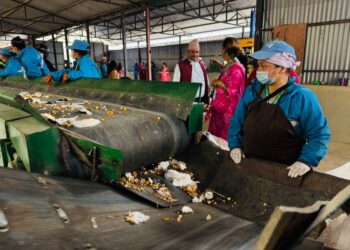
UK — Greggs, the popular bakery chain, plans to close four factories. This move will lead to 740 job losses over the next two and a half years. The affected sites are in North Lakes, Pettigrews, Seaham, and Enfield. However, distribution operations will still run at the Enfield site. This decision shows the ongoing changes in the food manufacturing industry, which is moving towards consolidation and automation. This raises concerns about the future for workers in the sector.
Greggs has reported modest growth in sales at its managed stores, with like-for-like sales up by 3.4%. Despite this positive trend, the company said it must adapt to changing customer needs and improve efficiency in its manufacturing network. Sarah Woolley, the general secretary of the Bakers, Food and Allied Workers Union (BFAWU), expressed deep concern for the affected employees and their families. She emphasized the need for support during this transition.
Implications for Bakery Workers and Local Economies
The closure of these factories will significantly impact the local economies of the affected regions. Areas like North Lakes in Cumbria, Pettigrews in Kelso, Seaham in County Durham, and Enfield in Greater London will face job losses that could affect their communities. Greggs employs about 33,000 people in the UK. While its retail shops will remain open, the loss of manufacturing jobs will still challenge local economies that depend on these positions. A report by BBC News states that the closures will also affect manufacturing at its Treforest site in Wales, although this site will continue to operate as a distribution center.
Career Ahead’s analysis shows that the job cuts at Greggs are part of a larger trend in food manufacturing toward automation and consolidation. As companies streamline operations and cut costs, traditional manufacturing roles are disappearing. This shift may lead to significant changes in the bakery workforce, displacing many skilled workers. The BFAWU has indicated that their priority is to support members through this transition. This support may include negotiating redundancy packages and providing resources for job placement and retraining.
The closures may also force affected workers to look for jobs in other sectors or pursue retraining. The BFAWU stresses the importance of helping those impacted, as many may struggle to find similar roles in a shrinking job market. The union advocates for comprehensive support systems to assist workers during this difficult time. This could include partnerships with local training providers to help develop new skills.
The competition for AI talent between the US and China is growing, with significant implications for job opportunities and recruitment strategies in the field. The…
This shift may lead to significant changes in the bakery workforce, displacing many skilled workers.
For bakery workers, the implications go beyond immediate job losses. As companies like Greggs adopt new technologies, there may be a growing demand for skills in food technology, logistics, and supply chain management. Workers who can transition to these roles may find new opportunities, but this will require significant upskilling. Sarah Woolley of the BFAWU has called for a national dialogue on the future of work in the food sector. She urges stakeholders to prioritize worker welfare in discussions about automation and efficiency.
Shifts in the Food Distribution Supply Chain
The decision to close Greggs’ factories affects not only workers but also the food distribution supply chain. As production moves and some products come from specialist suppliers, the supply chain’s efficiency and reliability may be tested. This shift could lead to higher costs and delays in product availability, impacting retailers and consumers. A report from Business Live highlights that as Greggs cuts its manufacturing capacity, it may depend more on external suppliers. This could affect the quality and consistency of its products. Relying on outside sources introduces variability that could challenge the company’s reputation for quality, a key part of its brand identity.
Moreover, the closures may disrupt established relationships with local suppliers and distributors. This complicates logistics for product delivery. As Greggs navigates this transition, it must ensure that its supply chain remains strong and can meet customer demand without sacrificing quality. Career Ahead research shows that these changes in the food distribution landscape highlight the need for companies to adopt more resilient supply chain strategies. As disruptions become more common due to economic pressures and technology, businesses must adapt quickly to stay competitive.
In the short term, the focus will be on how Greggs manages this transition and supports its employees. The company’s ability to handle these changes while maintaining product quality and customer satisfaction will be critical for its long-term success. Stakeholders, including employees, suppliers, and customers, will closely watch the outcomes of these factory closures. Ongoing changes in the food manufacturing sector, driven by technology and shifting consumer preferences, will likely lead to further workforce adjustments. Companies must proactively prepare their employees for these transitions, ensuring they have the skills needed to thrive in a rapidly changing industry.
The future of the bakery industry in the UK is uncertain as Greggs implements these closures. With 740 jobs on the line, the question remains: how will the company balance efficiency with its commitment to quality and community support?
The return to pre-war export levels is crucial as it indicates a stabilization in the oil market. Producers and shipping industries have adapted by employing…
Companies must proactively prepare their employees for these transitions, ensuring they have the skills needed to thrive in a rapidly changing industry.
Frequently Asked Questions
What are my options after being laid off from a bakery manufacturing job?
Career Ahead analysis shows that laid-off workers can explore opportunities in related sectors like food distribution and logistics. Many companies seek skilled workers who can adapt to new roles.
How can I transition to a new role in food distribution?
Transitioning to food distribution may involve upskilling in logistics and supply chain management. Workers can seek training programs or certifications to enhance their employability in this growing sector.
What skills are in demand in the food manufacturing industry?
Skills in food technology, quality control, and supply chain management are increasingly in demand as the industry evolves. Workers focusing on these areas may find better job prospects in the future.




Industry & Global Trends

 Industry & Global Trends