No products in the cart.

Harnessing Data to Enhance Workplace Safety and Employee Well-being

Data-rich workplaces are transforming employee safety and health. Discover how data can enhance the workplace experience and what it means for the future.

Washington, D.C. — The advent of data-rich workplaces is reshaping the landscape of employee safety, health, and experience. With technology enabling a new era of data utilization, organizations are increasingly harnessing analytics to create safer and more efficient work environments. According to a recent report by the Information Technology and innovation foundation, integrating data into workplace practices can significantly enhance employee well-being and operational performance.
This shift matters now more than ever as organizations navigate a post-pandemic world, where health concerns and workplace safety have taken center stage. The focus on employee experience is not just about comfort; it is intricately linked to productivity and retention. Companies that leverage data effectively can foster a culture of safety, leading to both improved employee morale and reduced operational costs.

Data-driven decision-making is becoming the norm. Businesses are deploying advanced analytics to monitor and predict workplace hazards, tailoring safety protocols to specific environments. For instance, companies like Siemens have implemented real-time monitoring systems that use data analytics to track environmental conditions, identifying potential safety risks before they escalate. This proactive approach not only protects employees but also enhances overall operational efficiency.
Moreover, the importance of mental health in the workplace has gained prominence. Employers are increasingly using data to assess employee well-being, adjusting workloads and providing resources to support mental health. A study by Gallup found that organizations with strong employee engagement see 21% higher profitability. This underscores the financial incentive for companies to invest in employee health and safety.
Businesses are deploying advanced analytics to monitor and predict workplace hazards, tailoring safety protocols to specific environments.
However, the reliance on data also raises concerns about privacy. Employees may feel uneasy about how their data is collected and used. Companies must navigate these waters carefully, ensuring transparency and ethical practices in data management. For example, organizations like Microsoft have established guidelines to protect employee data while still reaping the benefits of analytics.
As the technology landscape evolves, so too will the tools available for enhancing workplace safety. Artificial intelligence (AI) and machine learning are expected to play pivotal roles in this transformation. By analyzing vast datasets, AI can identify patterns and predict potential safety issues, allowing organizations to implement preventive measures more effectively. A report from McKinsey estimates that AI could improve workplace safety by 30% to 50% in high-risk industries.
Looking ahead, the integration of data into workplace practices is not merely a trend; it is a foundational shift. Companies that prioritize data-driven safety measures will likely outperform their competitors, attracting top talent and retaining skilled workers. As organizations continue to adapt to changing workforce dynamics, the focus on health and safety will remain paramount.
In this evolving landscape, what can organizations do to ensure they are on the cutting edge of workplace safety? First, investing in technology that supports data collection and analysis is crucial. This includes upgrading existing systems or adopting new tools that facilitate real-time monitoring and reporting.
Second, fostering a culture of safety that encourages employees to engage with data can lead to more comprehensive safety practices. Training employees to understand and utilize data effectively empowers them to take an active role in their safety and well-being.
You may also like
 Industry & Global Trends
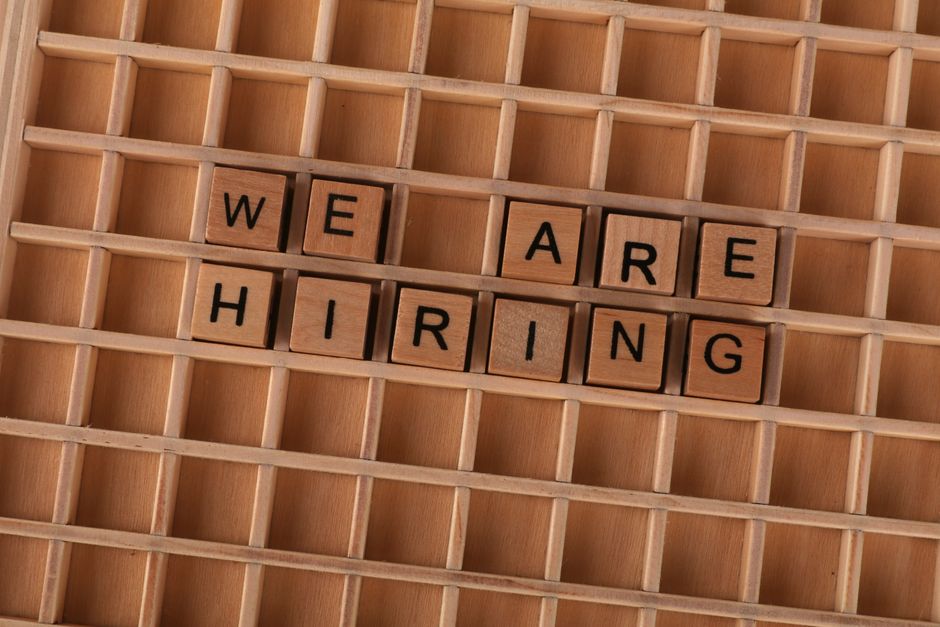
U.S. Hiring Slows Amid Labor Market Shift
This slowdown comes at a critical moment as inflation continues to exert pressure on wages and hiring practices.
Read More →Companies that prioritize data-driven safety measures will likely outperform their competitors, attracting top talent and retaining skilled workers.
Lastly, companies should prioritize transparency about data usage. Engaging employees in conversations about how their data will be used builds trust and mitigates privacy concerns.
The future of work is undoubtedly data-driven, and those who embrace this change will not only protect their employees but also drive organizational success. As businesses continue to innovate and adapt, the question remains: how will you harness data to create a safer, healthier workplace?