No products in the cart.

How Artistic Inspiration Fuels Scientific Progress

Discover how creativity in art drives scientific breakthroughs and innovation across various fields.

New York, USA — The age-old divide between art and science is increasingly blurring as creativity becomes a cornerstone of scientific discovery. From the whimsical sketches of Leonardo da Vinci to the groundbreaking compositions of modern artists, the interplay of artistic inspiration and scientific inquiry is reshaping our understanding of innovation.
In recent years, numerous case studies have demonstrated how artists and scientists are collaborating to solve complex problems. For instance, the Harvard ArtLab merges art with science, creating innovative solutions for social issues through interdisciplinary projects. Such initiatives show that the fusion of creativity and analytical thinking can lead to remarkable advancements.
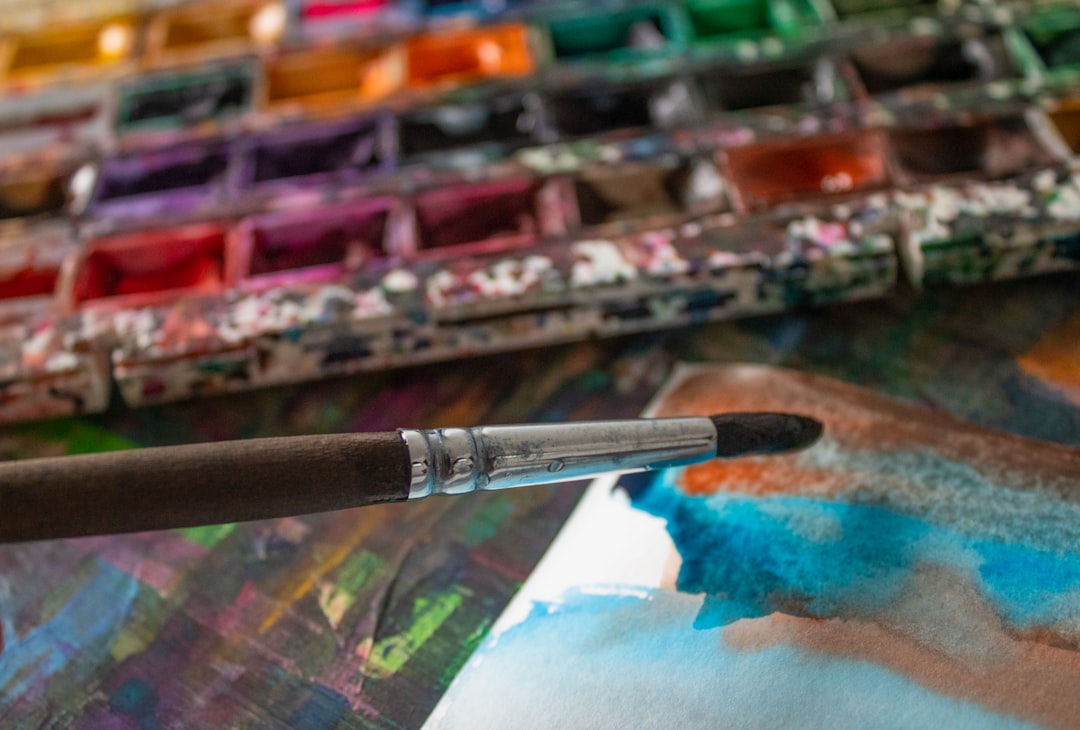
Research conducted by the National Endowment for the Arts highlights that exposure to arts education significantly enhances problem-solving skills and critical thinking in students. This suggests that cultivating creativity in educational settings could yield a new generation of innovators who can approach challenges from diverse angles. The data indicates that students engaged in arts education are 50% more likely to pursue degrees in STEM fields compared to their peers with no exposure to the arts[1].
The Role of Creativity in Scientific Breakthroughs
Creativity is not just about aesthetics; it plays a crucial role in scientific discovery. For example, the development of the CRISPR-Cas9 gene-editing technology was influenced by the imaginative thinking of researchers like Jennifer Doudna and Emmanuelle Charpentier. Their ability to envision a new way of editing DNA has revolutionized genetics, allowing for unprecedented advancements in medicine and agriculture[2].
Research conducted by the National Endowment for the Arts highlights that exposure to arts education significantly enhances problem-solving skills and critical thinking in students.
Additionally, the NASA Mars Rover mission showcases the importance of creativity in engineering and problem-solving. The team at NASA employed artistic concepts in designing the Rover’s visual systems, enabling it to capture stunning images of the Martian landscape while conducting scientific experiments. This melding of art and science not only enhances functionality but also inspires public interest in space exploration[3].
Case Studies of Art-Driven Innovation
You may also like
 Education & University Insights
From Chambal Roots to IIT and Global Career Triumph
Dev Prabhakar Singh Tomar's journey from a Chambal village to securing AIR 629 in UPSC is a testament to resilience and determination.
Read More →Several organizations are at the forefront of this artistic-scientific collaboration. The MIT Media Lab, for example, is known for its innovative projects that combine art, technology, and social impact. Their work in creating interactive art installations has produced tools that address real-world issues, such as climate change and urban development.
Another notable example is ArtScience Museum in Singapore, which hosts exhibitions that explore the relationship between art and science. Their latest exhibition, “The Future of Us,” focused on sustainable living and showcased artworks that encourage viewers to think about environmental challenges creatively. Such initiatives not only educate but also empower individuals to envision solutions to pressing global issues[4].
The Impact on Future Generations
Integrating arts into scientific curricula could be pivotal for future generations. Universities and educational institutions are increasingly recognizing the value of fostering creativity alongside technical skills. Programs that encourage students to engage in both artistic and scientific endeavors will likely produce well-rounded individuals capable of tackling complex challenges in innovative ways.
For instance, the University of Southern California has developed a program that combines engineering, design, and the arts, preparing students for careers that demand interdisciplinary knowledge. Students learn to approach problems with a creative mindset, which is essential in today’s rapidly evolving job market[5].
Their latest exhibition, “The Future of Us,” focused on sustainable living and showcased artworks that encourage viewers to think about environmental challenges creatively.
Conclusion: A New Era of Interdisciplinary Collaboration
The collaboration between artists and scientists is not merely a trend; it signifies a profound shift in how we approach problem-solving. As industries evolve and new challenges arise, the need for creative thinking will become increasingly critical. Embracing an interdisciplinary approach can lead to groundbreaking discoveries that reshape our world.
Moving forward, stakeholders in education, industry, and government must prioritize and invest in programs that bridge the gap between art and science. By fostering environments where creativity thrives, we can harness the full potential of human innovation to address global challenges and inspire future generations.
You may also like
 AI & Technology
OpenAI Fires 3 Researchers for Confidentiality Breach
The termination of three AI safety researchers at OpenAI raises significant concerns about confidentiality and trust in the AI industry, potentially impacting research collaboration and…
Read More →